



The impact of AI on everyday technology
 By
Rhys Llewellyn
By
Rhys Llewellyn
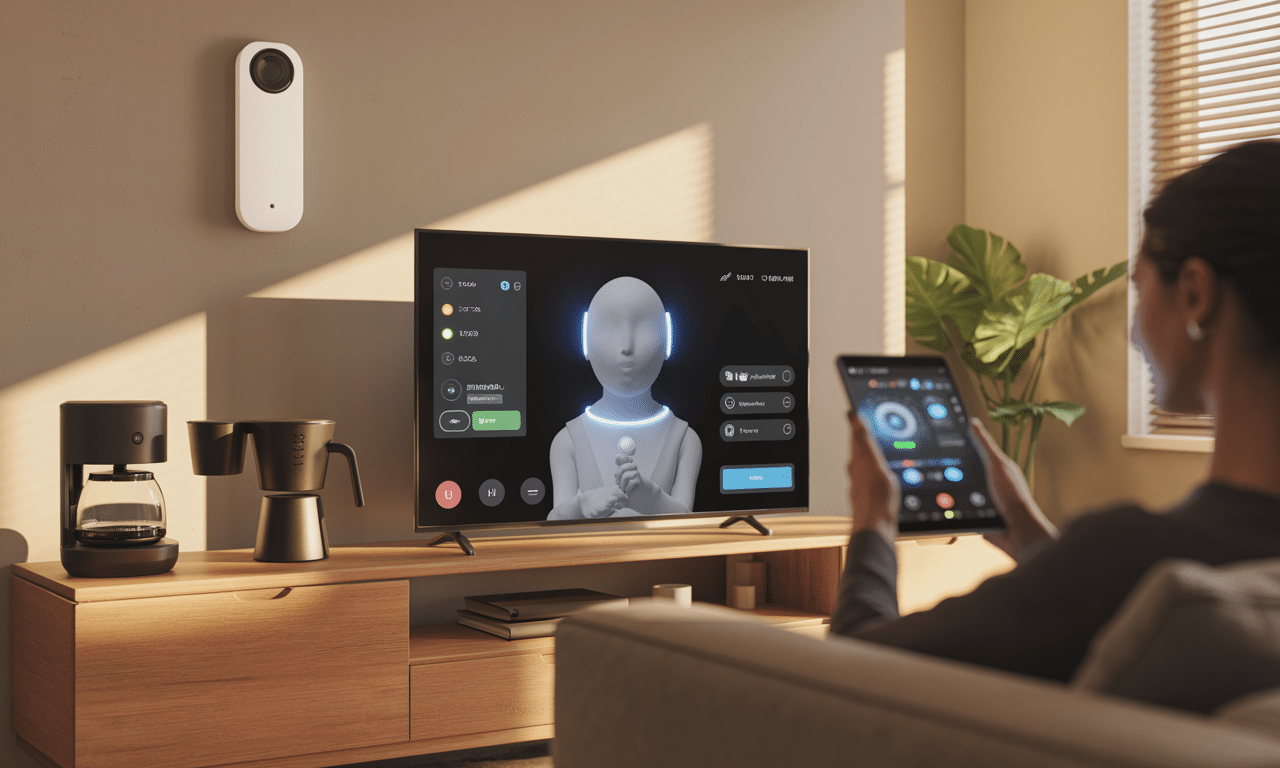
Walk into any modern home, and the quiet hum of artificial intelligence can be found in the most unexpected places. The digital voice guiding your schedule, the personalized playlist spinning in the background, the virtual assistant that answers questions with a simple command: all are testaments to how AI technology has slipped seamlessly into daily routines. Far beyond science fiction, AI today shapes healthcare, finance, transportation, and the way people interact with their surroundings. Giants like Apple, Google, Amazon, and Microsoft, along with the engineering might of NVIDIA, IBM, Intel, Sony, Samsung, and Tesla, have embedded intelligent systems into countless consumer experiences, revolutionizing expectations for what technology can achieve. As the year 2025 approaches, the transformation is both stunning and fraught with challenges, as society negotiates the promises and pitfalls of living in an AI-augmented world.
Artificial Intelligence Reshaping Everyday Technology: A Close-Up
The influence of AI stretches into nearly every routine activity. From healthcare wearables to smart fridges, the daily touchpoints with AI multiply rapidly. Corporations such as Apple and Samsung have led the charge in making mobile devices smarter, while Google’s technology quietly analyzes emails, appointments, and reminders. Meanwhile, Amazon’s Alexa and Microsoft’s Cortana have become mainstays in home automation.
- Personal Assistants: Devices powered by Apple (Siri), Amazon (Alexa), or Google (Assistant) interpret spoken commands, adjust thermostats, provide reminders, and connect to smart home gadgets.
- Healthcare Monitoring: Wearable technology from Samsung or Sony, enhanced by AI, tracks everything from heart rate to sleep patterns, automatically alerting users or doctors if anomalies appear.
- Smart Appliances: Refrigerators, ovens, and washing machines by brands like Samsung and LG harness AI for predictive maintenance and energy efficiency.
Case Study: The Home Transformed by AI
In Paris, a young family lives in a house where voice commands initiated through Google Home synchronize entertainment, lighting, and even the security system. The refrigerator by Samsung predicts when groceries will run low and orders replacements via Amazon. The subtle orchestration of these systems shows the shift from passive to proactive technology in our homes.
- Natural language processing enables seamless interaction.
- Personal recommendations adapt to habits and moods.
- Energy savings calculated and adjusted automatically.
AI Revolutionizing Healthcare, Transportation, and Learning
Medical imaging, self-driving vehicles, and personalized instruction no longer belong to distant tomorrows. With IBM’s Watson guiding diagnostic processes and Tesla’s Autopilot adapting in real-time, the technological leap reshapes how individuals receive care, travel, and learn. NVIDIA’s AI chips enhance real-time data processing in everything from MRI machines to interactive tutoring systems.
- AI in Healthcare: IBM and Microsoft AI analyze scans with greater accuracy, offering faster cancer detection and tailored treatments.
- Autonomous Vehicles: Tesla, Intel, and NVIDIA engineer systems that enable cars to interpret surroundings, recognize hazards, and optimize driving routes.
- Personalized Education: Platforms like those powered by Google and Microsoft provide individualized learning pathways, real-time grading, and adaptive feedback for students.
Impact Stories from the Real World
In London, a patient receives an earlier cancer diagnosis with aid from AI interpretation of MRI scans by IBM. A student in Mumbai connects to Microsoft’s AI-based tutoring, closing learning gaps at their own pace. Each story captures the tangible promise of intelligent machines working tirelessly behind the scenes, while raising crucial questions about privacy, access, and fairness.
- Faster, more accurate diagnostics and therapies.
- Safer navigation and traffic optimization in urban centers.
- Learning resources tailored to individual strengths and challenges.
Benefits and Perils: Navigating the Double-Edged Sword of AI
For every streamlined service or personalized recommendation, a parallel conversation unfolds about the risks inherent in widespread AI adoption. The giants, Apple, Amazon, Tesla, and others, face mounting debates on privacy breaches, data biases, and the specter of job displacement. Meanwhile, Intel’s energy-efficient chip designs aim to mitigate AI’s carbon footprint, reflecting corporate responsibility amidst innovation.
- Efficiency Gains: AI from companies like Tesla and Intel automates tedious manual work, reducing errors and freeing human talent for more creative pursuits.
- Personalization: Algorithms from Google and Netflix provide content and service recommendations uniquely tuned to each user.
- Accessibility: AI-powered translation and assistive technologies by giants like Microsoft break down language barriers and provide broader support.
- Risks: Concerns remain regarding algorithmic bias, loss of privacy, the environmental impact of data centers, and AI-generated unemployment.
Balancing Innovation and Responsibility
In 2025, society faces a pivotal choice: how to harness technology responsibly. Apple has enhanced transparency in how user data is handled, while Google faces scrutiny over algorithmic fairness in its hiring tools. Regulatory efforts echo the push for equity, yet questions remain about who answers when AI makes a mistake.
- Transparency and explainability in AI outcomes.
- Fairness in data sets and decision processes.
- Voice given to those impacted by automation and bias.
Tomorrow’s AI: Expanding Frontiers and Future Dilemmas
The trajectory of AI points in one direction: deeper integration and bolder aspirations. General AI, capable of reasoning on par with humans, remains a distant dream, yet today’s innovations ignite changes across every sector. As companies like NVIDIA and Sony develop new neural architectures, and governments advance legislation in the wake of new challenges, society prepares for realities that felt like fiction only a decade ago.
- Collaborative AI: Tools designed to work alongside humans in research, climate science, and creative sectors.
- AI and Sustainability: Smarter energy distribution and optimized logistics highlighted by Intel and Samsung, directly addressing climate goals.
- Ethical Governance: Efforts from Microsoft and IBM to design frameworks that ensure AI is transparent, equitable, and accountable.
Key Takeaways for Living with AI
As AI evolves, adaptation takes many forms: learning new skills, engaging in policy debates, or simply enjoying a more personalized, efficient existence. The opportunity is vast, the challenges real, and with thoughtful stewardship, AI stands to redefine the ordinary into the extraordinary for years to come.
- Stay informed about how AI is embedded in personal and professional life.
- Engage with discussions on ethics and data privacy.
- Embrace AI’s potential to solve global challenges, while advocating for responsibility and transparency in its design.