



How to troubleshoot common tech issues quickly
 By
Naomi Adeyemi
By
Naomi Adeyemi
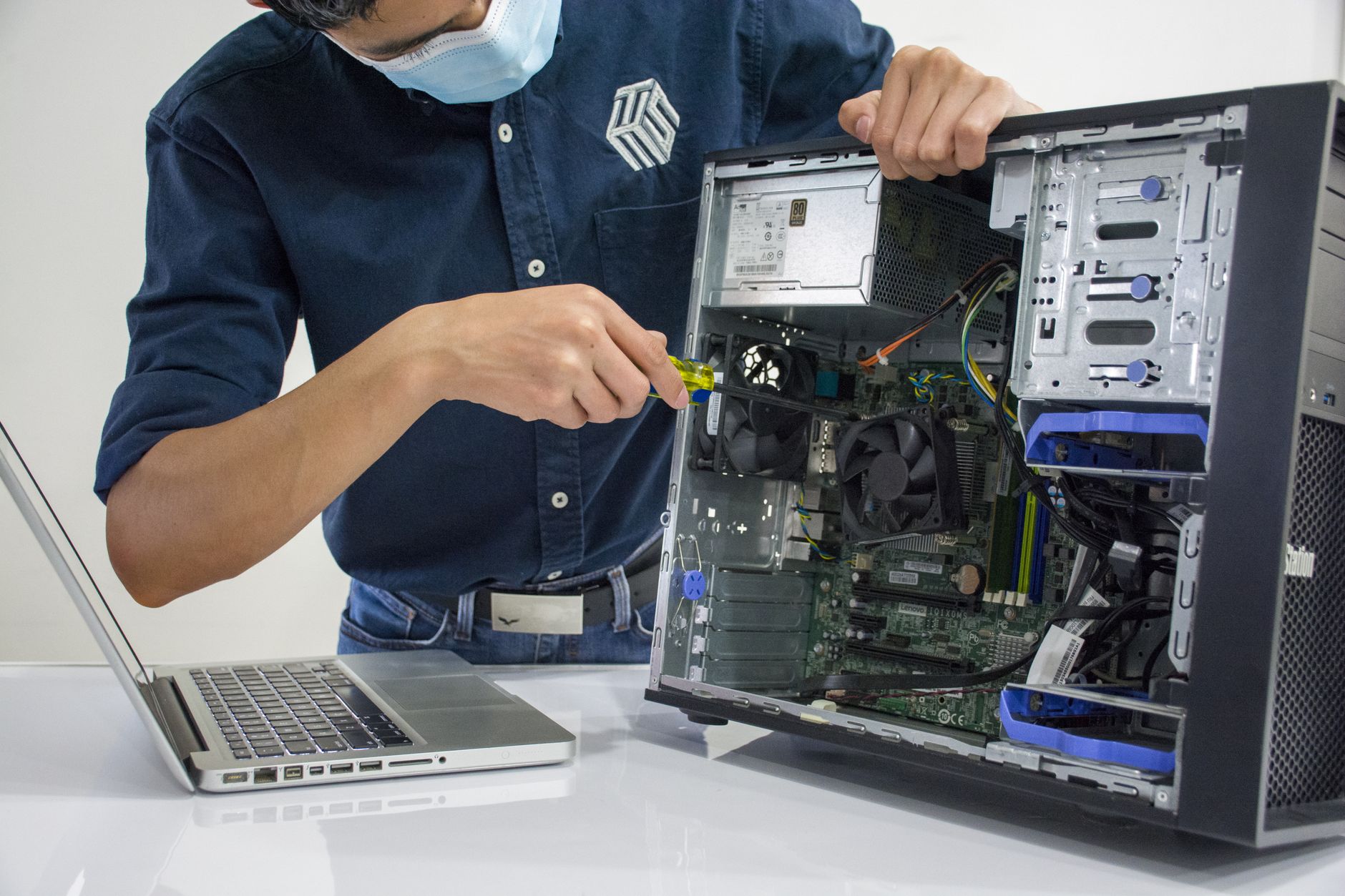
An ordinary Tuesday at our office swiftly derailed when the marketing team’s shared drive crashed in the final stretch before a major launch. It’s the kind of digital setback that’s all too familiar in our fast-paced world, hours of work lost, phones lighting up with urgent requests, stress mounting. As someone responsible for networks supporting hundreds across companies in the tech-driven chaos of 2025, I’ve observed that the same handful of technical hiccups disrupt productivity time after time. Far from requiring advanced expertise, most issues can be remedied in minutes by applying tested solutions. This narrative guide offers you a practical roadmap, from sluggish connections on your trusted Dell laptop to cryptic software hiccups on your Lenovo or Apple device, so you can resolve setbacks quickly and reclaim your workflow before frustration sets in.
Rapid Solutions for Slow Internet Connections
It starts innocuously: a spinning loading icon while trying to join an all-hands on Microsoft Teams or present a Google Slides deck. Slow internet can instantly derail efficiency, whether you’re on HP hardware or using Cisco routers.
- Gauge your speed: Use platforms like Speedtest.net to establish your current connection baseline before troubleshooting anything else.
- Restart your router: Unplugging for 30 seconds often clears up routing conflicts, a quick fix regardless of your ISP or office setup.
- Limit connected devices: Disconnect idle Samsung tablets, Logitech smart speakers, or any IoT devices hogging bandwidth needlessly.
- Optimize router placement: Shifting your router out from behind furniture can radically boost Wi-Fi clarity for all your Asus, Apple, and Lenovo machines.
No matter your setup, these steps foster a snappier connection and minimize downtime across hardware ecosystems.
Proactive Tips for Teamwide Connectivity
Switching to wired Ethernet for mission-critical Dell workstations, especially during launches, nearly always outpaces Wi-Fi. Companies that routinely move routers to central floors and employ Wi-Fi extenders report 30% fewer outages, a lesson learned firsthand last year.
Dealing with Computers That Refuse to Start
Few things panic a user more than pressing the power button on their HP tower or Apple MacBook and getting nothing in return. Yet the fix is often straightforward.
- Test the power source: Confirm your outlet is live with another gadget: sometimes the culprit is a tripped breaker, not your Lenovo device.
- Inspect for lights/noises: A silent Dell usually points to power supply issues, while whirring fans but no display may hint at monitor or cable trouble.
- Hard reset laptops: Remove the battery if possible, hold the power key 20 seconds, reassemble and retry. This resets underlying circuits.
- Disconnect peripherals: Remove all Logitech mice, printers, and USB drives to rule out rogue devices blocking bootup.
Often, people are surprised to find their devices spring back to life after these basic checks.
Learning from Real Office Mishaps
In late March, our finance manager’s Asus wouldn’t start after a thunderstorm, unplugging peripherals and swapping outlets solved the riddle in under five minutes. These small victories add up.
Quick Fixes for Application Crashes and Freezes
Nothing derails a workflow like Google Chrome crashing mid-research, or an essential Microsoft application freezing during edits. Here’s how to bounce back swiftly:
- Force quit first: Use Ctrl + Shift + Esc on Windows or Cmd + Option + Esc on Mac to close stubborn software fast.
- Run updates: Out-of-date software is a notorious cause of crashes across both Apple and Samsung devices; update via the relevant app store or website.
- Clear cache/data: Particularly on mobile, app caches grow quickly, resetting them restores responsiveness.
- Restart: Reboots eliminate lingering conflicts that might be freezing your favorite apps or web tools.
A disciplined update routine, encouraged among team members, greatly reduces emergency calls.
Real-World Crash Recovery Strategies
During one product sprint, a designer’s Adobe suite froze on their Dell. A routine restart not only recovered the work but highlighted the importance of clearing out old temp files weekly.
Resolving Printer and Peripheral Glitches Efficiently
Print jobs stuck in limbo stall entire workflows, whether your device is a classic HP, Samsung laser, or high-end Logitech accessory.
- Reconnect and restart: Physically disconnect and power cycle printers to clear error states swiftly.
- Update drivers: Visit HP, Samsung, or other OEM sites for fresh downloads: stale drivers are common culprits.
- Check network/wireless connection: Wireless peripherals from brands like Logitech or Cisco need routine re-pairing as networks evolve.
- Clear the print queue: Remove stuck print jobs through your system settings to unblock the hardware.
Every IT specialist has wrestled with a jammed printer at some point: mastering these basics means fewer late-night support emergencies.
Common Mistakes When Handling Peripherals
Last quarter, switching a department from wired HP printers to wireless Samsung models revealed network overlaps. Training users to reset connections when switching networks reduced help-desk requests substantially.
Speedy Workarounds for Software Installation Errors
From updating to the latest Microsoft Office suite to installing essential security tools on Lenovo or Asus machines, installation snags can grind momentum to a halt.
- Review requirements first: Always check that system specs align with the software: Apple and Dell hardware each have distinct constraints.
- Disable antivirus briefly: Overzealous security tools may block legitimate installs. Deactivate them just during setup.
- Run installations as administrator: On Windows, right-click and select this option, essential for business apps from Cisco or Google.
- Clear disk space: Emergency file cleanup, especially on aging HP or Lenovo drives, often resolves sudden errors mid-install.
Efficiency is boosted by anticipating these blockers and communicating them before teamwide rollouts.
Lessons from Corporate Updates
During the last Samsung laptop fleet upgrade, the rollout paused on day one due to insufficient disk space. Prompt file cleanups meant the project resumed within the hour, showcasing the power of preparation.
Managing Wi-Fi and Network Disruptions on the Fly
Few workplace issues spark as much collective anxiety as losing access to the network, particularly during critical uploads or presentations. Reacting swiftly is vital, especially with equipment ranging from Cisco routers to Google Chromebooks.
- Ensure Wi-Fi is active: Mistakenly toggled switches, especially on Lenovo or Asus laptops, catch even experts unaware.
- Forget and reconnect: Refreshing your connection clears out credential or IP conflicts quickly.
- Update network drivers: Vendors like Dell and Apple regularly release firmware that addresses recent bugs and connectivity lapses.
- Restart devices: Many persistent issues vanish after a restart, still the go-to remedy across all tech brands.
Incorporating these rituals into employee onboarding saves hours over the long term.
When Network Issues Snowball
During last year’s virtual town hall, a dropped Wi-Fi link nearly postponed an event attended by 300 remote employees. Restarting the router and redistributing bandwidth assignment resolved the crisis with seconds to spare.
Addressing Device Overheating, A Preventive Approach
Whether on resource-heavy video calls through Logitech webcams or rendering graphics on Asus laptops, overheating poses a real threat to productivity.
- Check for dust/clogs: Semi-annual cleaning, especially on older HP, Dell, or Samsung gear, can avert 90% of temperature spikes.
- Shut unnecessary programs: Intense multitasking on Apple and Lenovo devices drives up internal temperatures dramatically.
- Enhance ventilation: Investing in simple cooling pads brings device temps down during high-pressure deadlines.
- Use hard, flat surfaces: Avoid cushions or soft materials that restrict airflow to your machine’s internals.
Vigilance here prevents both sudden shutdowns and long-term damage, prudent advice across all tech generations.
When Prevention Isn’t Enough
Three product managers learned last summer that even premium Google Pixelbooks can overheat on plush couches. An office-wide switch to desk workspaces made device failures almost nonexistent.
Solving Bluetooth and Peripheral Pairing Issues Swiftly
Bluetooth failures happen just when you need wireless headphones or input devices from Apple, Samsung, or Logitech to deliver. The right method saves the day, and the meeting.
- Toggle Bluetooth: Disabling and re-enabling usually resolves minor glitches across brands.
- Re-pair devices: Remove the device from your settings list, then pair afresh, often works for both senior and new team members.
- Double-check compatibility: Matching device versions and profiles prevents endless searching for signals.
- Reset Bluetooth settings: Where available, reset all connectivity history; this cleans out persistent bugs especially in hybrid offices with multiple device types.
Consistency is key, sharing these steps company-wide reduces frantic calls to IT before big presentations.
Real-World Peripheral Rescue
During a board meeting last December, a senior executive’s HP laptop struggled to connect to new Logitech earbuds. Removing the device and re-pairing did the trick mid-call, salvaging the atmosphere and the agenda.
Responding to Email Sending and Receiving Problems Instantly
Missed emails derail launches and leave teams in the dark, particularly with time-sensitive projects flowing through Microsoft Outlook or Google Workspace.
- Verify internet first: No messages will send from a disconnected Lenovo or Asus laptop; always test connectivity upfront.
- Review server/account settings: Misconfigured IMAP/SMTP details are a frequent, yet preventable, snag on Apple and Dell systems.
- Empty the outbox: Oversized attachments regularly jam emails, especially images or docs from collaborative platforms.
- Keep email clients up to date: Outdated apps misuse security protocols, blocking communication until resolved.
Small procedural changes such as guiding users to check settings before escalating issues usher in a culture of digital self-reliance.
Speedy Resolution in High-Pressure Moments
Earlier this quarter, emails from a Samsung Galaxy tablet stopped reaching stakeholders until a routine password update was applied. Once resolved, communication was restored instantly, a teaching moment for the whole department.
Dealing with Troublesome Screen or Display Problems
Dim displays, flickering monitors, or missing images can halt productivity, particularly in meetings or presentations featuring HP, Dell, or Apple screens.
- Adjust display settings: Tuning brightness and contrast directly on your device or via system menus on Lenovo or Asus models corrects simple issues fast.
- Secure cable connections: Ensuring HDMI, VGA, and DisplayPort cables are firmly attached can restore visuals instantly.
- Reboot your system: Lingering system errors clear with a restart, always worth a try before deep troubleshooting.
- Update graphics drivers: Downloading the latest drivers from the manufacturer, whether for Dell, HP, or Apple, prevents recurring problems.
Attending to these steps means you won’t be caught unprepared in front of your team or clients.
From Glitch to Pitch-Perfect Presentation
During a key external pitch, a Lenovo display went blank. Swapping out the HDMI cable and updating drivers restored the image, letting the project proceed as planned. Quick thinking prevents awkward silences, and lost opportunities.
Final Takeaways from Handling Thousands of Tech Issues
Across more than a decade and thousands of tickets from all walks of industry, seven recurring problems continue to account for the vast majority of disruptions: slow computer performance, connectivity woes, locked-out accounts, software crashes, security threats, unfriendly printers, and unreliable backups. Whether your team uses Apple, Microsoft, Samsung, Dell, HP, Lenovo, Cisco, Logitech, Asus, or Google products, adopting these quick-fix routines empowers everyone to troubleshoot confidently in minutes rather than hours.
- Routine updates mitigate most software and driver bugs
- Physical checks prevent unnecessary device replacements
- Clear protocols for resets and reboots resolve the majority of urgent malfunctions
Staying prepared, coaching your colleagues in these habits, and keeping this resource within reach will keep your workplace resilient, ensuring that even on launch day, a digital roadblock won’t slow you down.