



The importance of security features in your favorite apps
 By
Naomi Adeyemi
By
Naomi Adeyemi
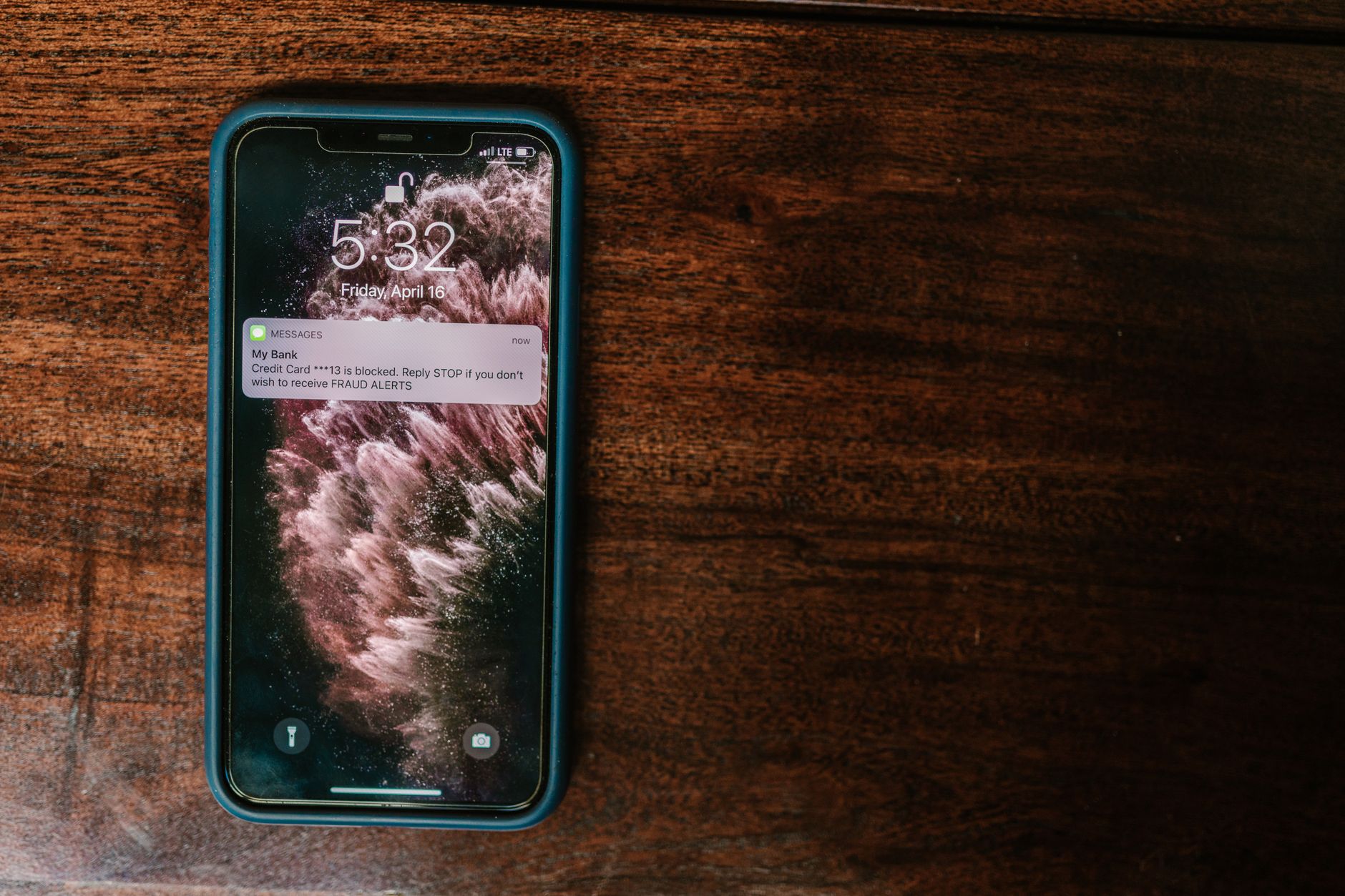
Once, a simple phone call or a paper check was all that stood between you and your private affairs. Fast forward to today, and the glowing screen in your hand has become the gatekeeper to your bank accounts, health records, friendships, and the sum total of your digital existence. Mobile apps aren’t just conveniences anymore, they’re lifelines. But for every step forward in this digital landscape, new cracks appear, beckoning to cybercriminals and malware. As the world leans more on apps like banking, messaging, or shopping, robust security features transform from a nice-to-have perk into the silent shields that protect your most vulnerable moments. The question echoing across 2025’s tech corridors isn’t just “Is it useful?” but “Is it secure enough for your trust?”
Why Security Features Are the Heartbeat of Your Favorite Apps
The reality of tapping into an app for everything, payments, photos, or sensitive conversations, sets the stakes sky-high. App stores overflow with warnings after high-profile breaches, and companies scramble to avoid joining the likes of those who’ve lost millions to simple lapses. Every swipe, password, and payment detail exchanged offers a window for attackers. With McAfee, Norton, Kaspersky, Bitdefender, and Avast shaping global standards, users now expect nothing less than bulletproof protections from each app on their phone.
- Protecting sensitive information like banking details and private chats has become non-negotiable.
- Financial and reputational fallout from breaches can cripple even the biggest brands.
- Compliance with privacy regulations such as GDPR and CCPA is now a legal and ethical responsibility.
- Advanced threats emerge constantly, demanding ongoing updates and vigilance.
How the Industry Responded to the Breach Era
The pivot toward airtight security wasn’t just reactive; it became a race among software giants and upstarts alike. Tactics hardened, with app makers racing to deploy encryption, biometric logins, and zero-trust practices. Leaders like Norton and AVG built their reputations on delivering layered defenses, inspiring everyday apps to follow suit.
- Real-world breaches forced companies to overhaul old authentication systems.
- Consumers grew more willing to abandon apps without robust security, voting with their downloads.
- Brand trust became directly tied to proactive security investment.
Proven Best Practices for Security in Mobile Apps
In the development trenches, security isn’t a single button so much as a mosaic of vigilant steps, from the way code is written to how user data crosses cyberspace. Trend Micro and Bitdefender pioneered standards, while smaller developers looked to these leaders for cues.
- Secure code with regular audits and code reviews to catch vulnerabilities before release.
- Encrypt data both at rest and in transit so intercepted data remains unreadable.
- Multi-factor authentication (MFA) for all access to critical app features.
- API protection to safeguard the crucial links between the app and its servers.
- Active monitoring and incident response protocols prepare teams for rapid action.
- Frequent updates and timely security patches to keep evolving with new threats.
Lessons from Data Leaks in Popular Apps
Reading through headlines of yesterday’s data leaks, it’s easy to spot a disheartening trend: laziness with encryption, forgotten server configurations, or weak password enforcement. When a widely-used fitness app accidentally exposed millions of user records, it wasn’t just a story of lost information, the brand’s community felt betrayed. In response, password managers like LastPass and Dashlane rose to mainstream use, teaching users that unique, complex passwords weren’t optional luxuries but necessary tools.
- Leading breaches triggered regulatory investigations and million-dollar fines.
- App developer communities responded by embedding stronger privacy defaults and backup plans.
- Consumers demanded transparency and proof of proactive security measures from every app update.
User Empowerment: Practical Steps to Stay Secure
Even the strongest defenses wobble if users ignore best practices or fall prey to scams. App makers like Avast and Trend Micro double down on educating their communities, building trust with pop-up tips, and requiring password hygiene.
- Never reuse passwords, instead, use reliable managers like LastPass or Dashlane.
- Only download apps from official stores, like Google Play or Apple’s App Store.
- Check for app updates weekly to benefit from the latest patches and security features.
- Read permission requests skeptically and deny any access that feels unnecessary.
- Enable biometric authentication where available for added protection.
The Bridge Between Developers and Users
The responsibility doesn’t end with code: communication and transparency close the loop. Apps that share clear privacy policies, push responsible updates, and answer user concerns build relationships that extend far past the installation date. Developers owe it to their audiences to make security updates, not just bug fixes, part of their story.
- Send proactive notifications about security changes and incident responses.
- Provide easy guides to using security features, like password managers and MFA.
- Foster community trust by supporting bug bounty programs and open feedback channels.
The Unseen Foundation of App Trust in 2025
In a future where nearly every facet of your life can be accessed with a swipe and a tap, the invisible scaffolding of security is what prevents life-altering chaos. Every time an app springs to life on your device, companies like McAfee, Kaspersky, and AVG stand quietly in the background, shaping standards. The real heroes are the silent layers of defense, the forced password change, the quiet patch rolled out overnight, and the user who pauses to check before clicking “allow.” It’s these details, the sum of best practices and user empowerment, that transform your favorite app from a simple tool into a trusted companion.
- Regular innovation keeps security practices ahead of cybercriminal techniques.
- User education remains as important as technical defenses.
- Transparency and trustworthiness make the difference between keeping or losing a customer.