



Global Internet Freedoms Decline in 2025: Germany, Georgia, and US Face Setbacks with Human Rights Implications
 By
Declan Moriarty
By
Declan Moriarty
| IN A NUTSHELL |
|
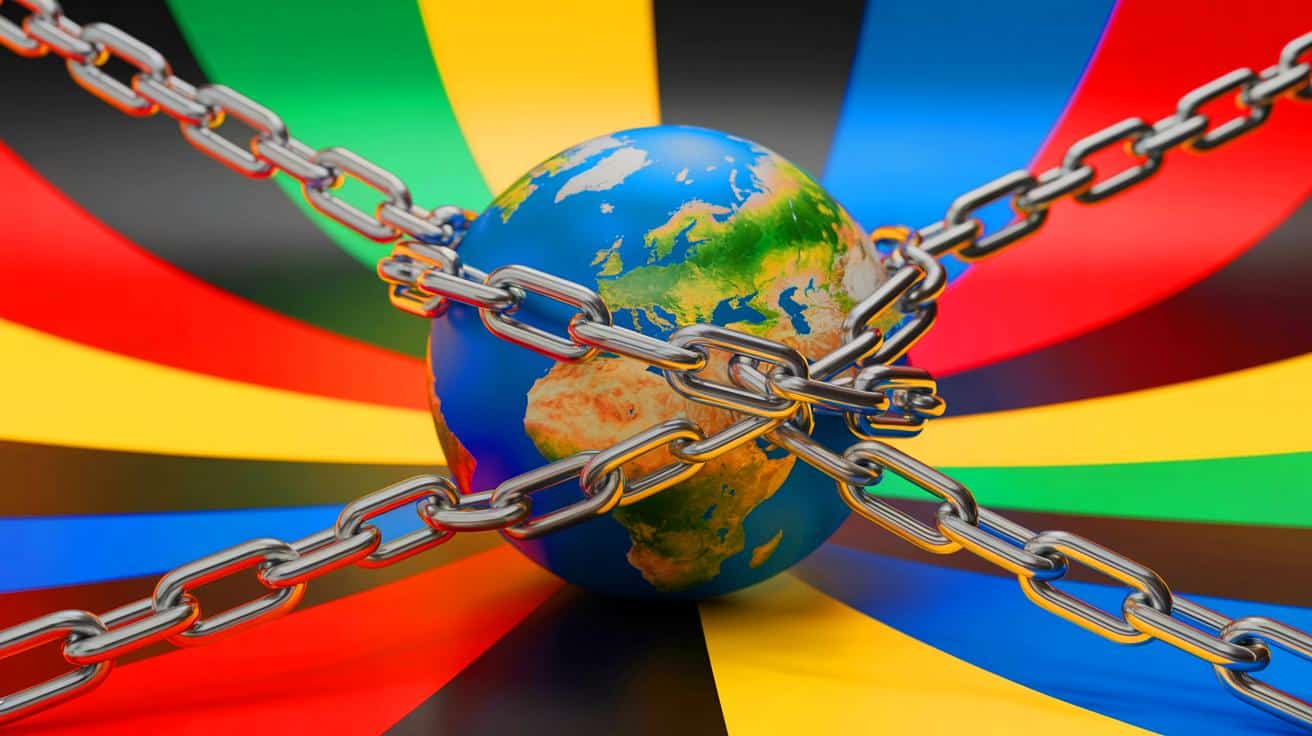
The digital landscape in 2025 presents a troubling picture for internet freedoms around the globe. According to the latest Freedom of the Net report, published on November 13, internet freedoms have declined for the 15th consecutive year. The report highlights that even countries traditionally considered bastions of online freedom, such as Germany, Georgia, and the United States, are not immune to this trend. This decline is not limited to authoritarian regimes; democratic nations are also grappling with increasing control and censorship. The ramifications of these shifts are profound, impacting everything from free speech to personal privacy. What does this mean for the future of digital rights worldwide?
A Decline of Democratic Values
Internet freedoms have taken a significant hit across various democracies, with Kenya experiencing one of the most alarming declines. For the first time in its history, Kenya’s government shut down the internet during a violent crackdown on protests, reflecting a worrying trend in democratic nations. Grant Baker, Freedom House’s Research Analyst for technology and democracy, noted that half of the countries rated as ‘Free’ saw their scores drop. Only two countries managed to improve their standing.
Georgia experienced the most substantial decline among these democracies. The ruling party implemented repressive measures against civil society and independent media, marking a significant departure from its previous status as a free internet nation. In Germany, the government has pursued legal action against individuals for creating memes about politicians, invoking anti-insult and hate speech laws. This has led to increased self-censorship, raising concerns about the erosion of free expression in democratic societies.
United States: A Troubling Shift
The United States, traditionally a stronghold of online freedom, saw its own decline in 2025. The Trump administration’s detention of foreign nationals for nonviolent online expression has raised alarms. Although the First Amendment offers robust protections, the increasing restrictions on civic space threaten to limit digital activism. Baker emphasized that while the online environment remains diverse, these growing constraints could stifle the vibrant exchange of ideas that the U.S. is known for.
The broader picture remains defined by extreme digital repression in authoritarian contexts, with countries like China and Myanmar at the bottom of the rankings. However, even in the U.S., the shifting landscape calls into question the future resilience of its digital freedoms.
Exporting Censorship Tactics
Authoritarian governments are not only developing but also exporting censorship technologies and tactics. China, Myanmar, and Russia are leading the charge in global internet censorship, continually advancing their capabilities. These countries are not working in isolation; they are actively assisting other nations in building similar infrastructure. China’s collaboration with Pakistan on a Great Firewall-like system is a prime example of this cross-border spread of censorship technology.
Freedom House reports that countries like Ethiopia, Kazakhstan, Myanmar, Cambodia, and Belarus are also engaging in similar practices. This deliberate dissemination of censorship methods poses a significant threat to global internet freedoms. The likelihood of coordinated VPN censorship campaigns in these nations is expected to rise, further limiting access to free and open information.
“Shocked Fans Scream”: Taylor Swift Rocks New Heights with Under $100 Sony Headphones
Tools for Digital Resistance
As internet freedoms erode, demand for tools that protect digital rights has surged. Technologies like virtual private networks (VPNs) have become essential for individuals seeking to circumvent censorship and maintain online privacy. In 2025, citizens worldwide increasingly turned to these tools to reclaim their digital rights. The use of VPNs and other circumvention technologies represents a form of digital resistance in the face of growing online repression.
However, the effectiveness of these tools is not guaranteed. Governments are developing more sophisticated methods to block and restrict access to such technologies. The ongoing battle between censorship and digital freedom highlights the urgent need for innovation in the field of online privacy and security.
As we navigate this complex digital landscape, the erosion of internet freedoms poses critical questions for the future. Will democratic values withstand this global trend, or will digital repression continue to gain ground? The answers will shape the evolution of free expression and privacy in the digital age.