

SpaceX Buys 800 MHz Spectrum to Take Starlink Mobile Indoors
SpaceX has agreed to buy Grain Management’s 800 MHz licences, a low-band layer for Starlink Mobile, but the deal still needs FCC approval before it can close.
 By
Naomi Adeyemi
By
Naomi Adeyemi
SpaceX said on October 8, 2026 that it has agreed to buy a nationwide portfolio of low-band spectrum licences, a purchase it presents as a step toward making Starlink Mobile a major US mobile carrier. The deal is not final: it still needs approval from the Federal Communications Commission (FCC).
In brief
- The deal is not final: it still needs approval from the Federal Communications Commission (FCC).
- The Verge adds that SpaceX says this setup would put it in direct competition with T-Mobile, AT&T and Verizon once the FCC approves the deal.
- Those details, if they emerge, will determine whether this purchase changes the US mobile market or remains one more step in a long build-out.
What SpaceX has agreed to buy
According to Engadget, SpaceX agreed to acquire all of Grain Management’s nationwide 800 MHz spectrum portfolio. The Verge reports that the licences cover up to 14 megahertz of paired spectrum in that band. Both outlets stress that regulatory sign-off is pending, so the transfer cannot be treated as completed.
The company had already bought spectrum from EchoStar, which Engadget places late last year, and The Verge describes that earlier 2 GHz purchase as part of SpaceX’s push to strengthen its direct-to-device service, meaning the ability to connect ordinary phones straight to satellites. The new licences add a different kind of frequency to that mix.
Why low-band spectrum matters indoors
Low-band frequencies such as 800 MHz travel well and cope better with obstacles. SpaceX says the band will let Starlink Mobile’s signal penetrate walls and buildings, which is the weak point of satellite coverage, and Engadget quotes the company describing low-band access as a way to close one of the key technical gaps standing between Starlink and a major carrier role.
TechRadar explains that the new holding is meant to complement Starlink’s existing mid-band spectrum, which offers high bandwidth and suits fast connections. Engadget adds a practical point for customers: most mobile devices already support the 800 MHz band, so people would not necessarily need a new phone to benefit.
Readers who want the wider context on satellite coverage and the money behind it can read our earlier report on direct-to-device satellite coverage.
Satellites on one side, ground network on the other
SpaceX frames the plan as a combination of satellites and what it calls an advanced terrestrial deployment, which TechRadar interprets as masts or other ground infrastructure. In its announcement, quoted by The Verge, the company says Starlink Mobile could be the first operator to use satellite and terrestrial spectrum together, offering one network for indoors, outdoors and cellular dead zones. The Verge adds that SpaceX says this setup would put it in direct competition with T-Mobile, AT&T and Verizon once the FCC approves the deal.
The FCC has also approved the Gen2 constellation of Starlink Mobile satellites. Engadget reports that the authorisation covers 15,000 satellites optimised for the 2 GHz band. SpaceX says they can deliver more than 100 times the bandwidth of the current generation, which would extend high-speed service to more regions of the world. That figure is a claim from the company and has not been independently tested in the sources reviewed here.
Promising, but still a long road
TechRadar notes that only a week earlier, AT&T’s chief executive had claimed that Starlink Mobile’s plans were not viable. The outlet considers that the announcement may prompt a rethink, but also says it is unlikely to mean the imminent launch of a major mobile service.
Industry expert Tim Farrar of TMF Associates, quoted by TechRadar from his comments to CNBC, called the deal fuel for the battle between SpaceX and mobile operators, yet pointed out that it is still a limited amount of spectrum. In his view, reliable building penetration in urban areas would require SpaceX to deploy towers on the ground. TechRadar draws the same conclusion: the company will probably need both more spectrum and substantial ground infrastructure before AT&T, T-Mobile and Verizon have serious reason to worry.
Engadget also observes that more established carriers can draw on a wider range of bands than SpaceX can today. The size of that gap, and the time and investment needed to close it, will shape how quickly Starlink Mobile can move from announcement to a service that competes on equal terms.
For now, three points are established by the sources: an agreement has been announced, regulators have yet to approve it, and SpaceX has so far described its ambitions rather than a launch date or pricing. Those details, if they emerge, will determine whether this purchase changes the US mobile market or remains one more step in a long build-out.
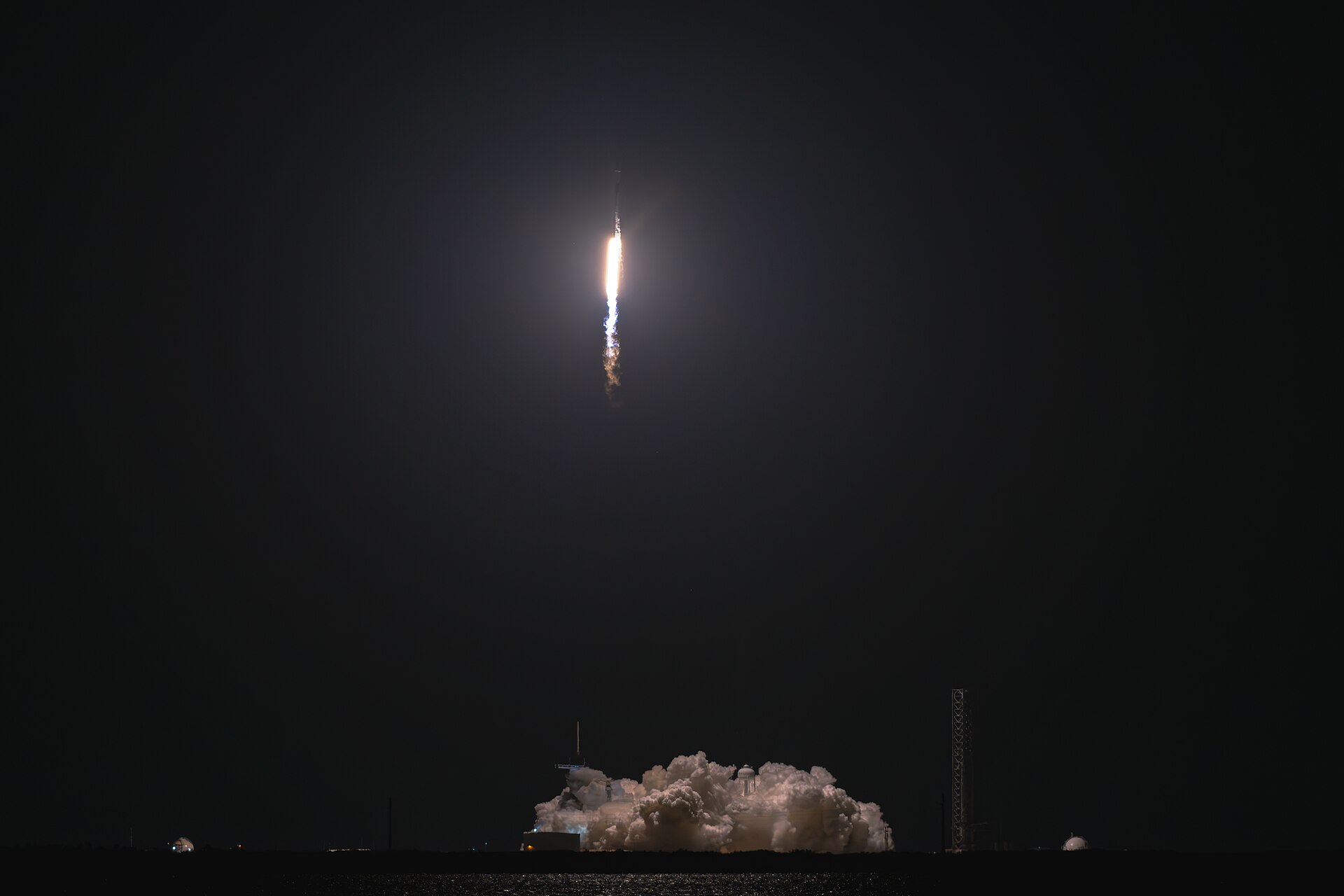
Featured image. Source: Wikimedia Commons. Credit: U.S. Space Force photo by Joshua Conti. License: Public domain.