



The rise of AI-powered apps: What to expect in 2025
 By
Naomi Adeyemi
By
Naomi Adeyemi
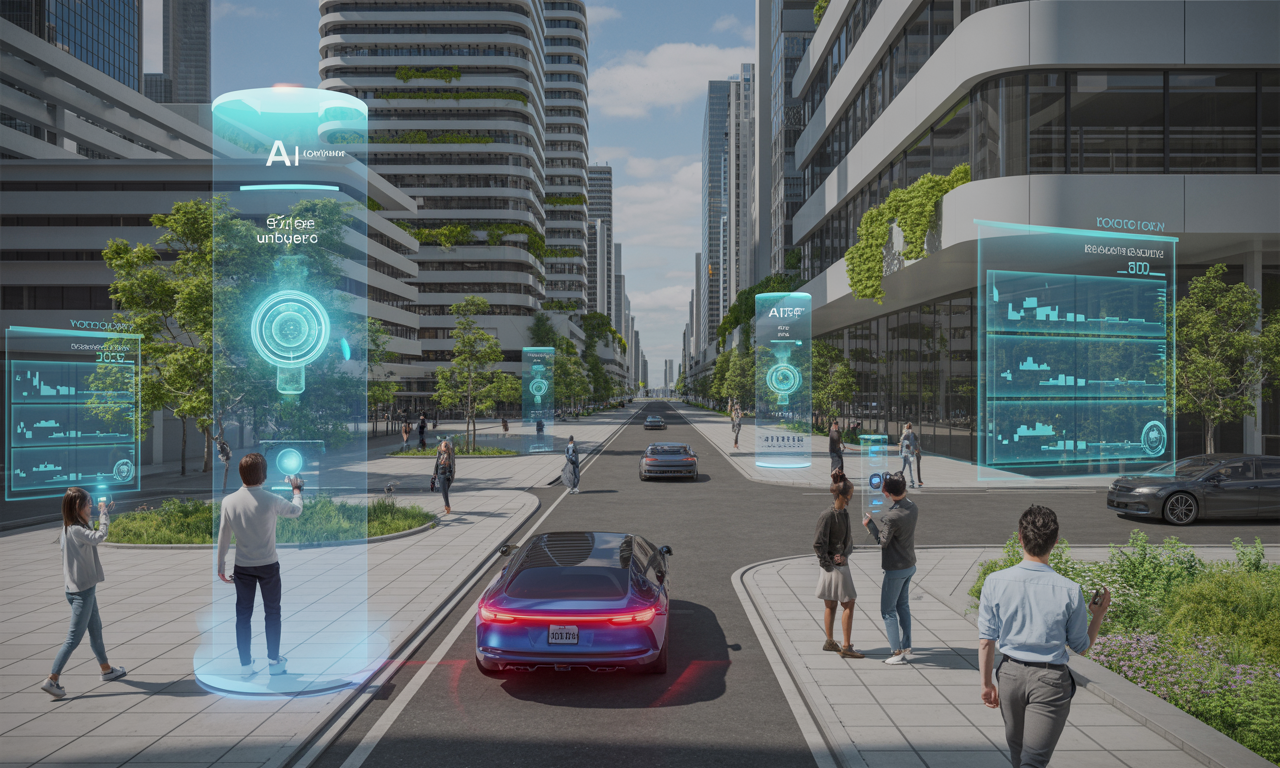
The landscape of application development is undergoing a monumental shift as artificial intelligence takes center stage in 2025. Gone are the days when AI was a speculative buzzword. Today, it has become the underlying engine powering platforms designed by titans such as OpenAI, Google, Microsoft, IBM, Amazon, Salesforce, NVIDIA, Apple, Adobe, and Zoom. Companies now find themselves in a race not only to adopt AI technology but also to master it, imbuing their apps with capabilities that seemed unimaginable just a few years ago. As we move through this fast-changing era, AI delivers smarter UIs, advanced analytics, and deeper personalization, reshaping user expectations and business outcomes alike.
Key AI Trends Transforming App Development in 2025
With AI now integral to modern app creation, the entire software lifecycle is being reimagined. Developers across the globe, regardless of experience, are leveraging tools that automate coding, debugging, and testing, sparking a wave of agile productivity akin to an industrial revolution for software. Major platforms from Amazon, Google, and Microsoft have accelerated this shift through seamless AI integration into their developer ecosystems.
- Natural Language to Code: Tools like GitHub Copilot allow features to be described in English and converted into functional code.
- Autonomous Debugging: AI identifies and remedies bugs by context, not just pattern matching.
- Automated Testing: Test cases generated and executed without human intervention lead to superior code quality and faster cycles.
This new development paradigm is reducing time-to-market for apps and amplifying creativity as developers delegate repetitive work to ever more sophisticated AI.
AI-Powered User Experiences: Personalization and Engagement at Scale
Applications can now anticipate, adapt, and delight users thanks to intelligence backed by Salesforce, Apple, and Adobe. Deeply personalized content isn’t reserved for tech giants: mid-tier and emerging platforms are unlocking tailored recommendations that rival Netflix or Spotify.
- Personalized Content Feeds that adjust to user tastes in real time.
- Conversational UIs featuring advanced voice and chat capabilities with natural context awareness.
- Behavioral Analytics predicting user actions for proactive engagement and reduced churn.
Seamless onboarding and intuitive journeys are driven by AI UX tools, fostering customer loyalty and standing out in a crowded market. As engagement becomes hyper-personalized, differentiation will depend on how apps harness AI’s predictive prowess.
AI Analytics and Decision-Making: Data-Driven Evolution
Leveraging the computational power of NVIDIA GPUs and cloud services from Amazon and IBM, predictive and prescriptive analytics are revolutionizing how app teams operate. Data, once inert, is now activated by AI to inform every strategic move.
- User Retention Prediction: Real-time alerts for churn risk empower support and marketing intervention.
- Feature Impact Forecasting: Testing outcomes before rollout reduces the risk of failed launches.
- Real-Time Recommendations: Delivering Netflix-like curation, even for smaller businesses.
Equipped with these insights, organizations make bolder, more informed decisions, reserving guesswork for their competitors. The ability to connect granular analytics with product roadmaps marks the dawn of truly intelligent business strategy.
Securing and Governing AI Apps: Trust, Compliance, and Ethics
Security and compliance present new challenges as AI permeates every process. Industry leaders like IBM and Microsoft are setting benchmarks for responsible, transparent AI implementations. Companies are increasingly required to look beyond functionality to ethics and trustworthiness.
- Anomaly Detection: Identifies cyber threats and abnormal app usage instantly.
- Smart Authentication: Biometrics combine with behavioral analytics for frictionless, secure user verification.
- Continuous Compliance Monitoring: AI tracks regulatory adherence, minimizing audit risks and breach incidents.
Bias mitigation and explainable AI become not just best practices but regulatory requirements, as transparency builds user confidence. Trusted partners like DevCommX provide frameworks and services to keep apps on the right side of evolving regulations.
The Democratization of App Creation: AI-Powered Low-Code and No-Code Platforms
Startups and citizen developers no longer need elite coding skills to launch compelling products. Thanks to the proliferation of platforms from Apple, Zoom, and Google that embed AI in low-code environments, the barrier to market entry continues to fall.
- Accelerated MVPs: Ideas go from whiteboard to prototype in hours with AI-generated templates and recommendations.
- Reduced Costs: Drastically fewer engineering hours needed for core app functionality.
- Scalable Templates: AI suggests architecture tailored to specific domains or challenges.
This democratization brings unparalleled diversity of innovation, a true meritocracy where great ideas, not just resources, propel new entrants to the forefront.
The Next AI Leap: Autonomous Agents and Adaptive Apps
The imminent phase in app evolution is marked by autonomous AI, with companies such as OpenAI, NVIDIA, and Microsoft pioneering systems that make increasingly complex decisions with little human oversight. These agents will manage microservices, adapt user interfaces in real time, and build features responsive to shifting market demands.
- Modular AI-Created Microservices: Business logic assembled automatically per context.
- Hyper-Personalized UX: Layout, content, and behavior adapting to each user interaction.
- Cross-Platform Intelligence: Unified knowledge powering apps across web, mobile, and desktop, ensuring consistent experience everywhere.
Such advancements signal more than an incremental upgrade; they herald a digital ecosystem where AI is both the architect and builder, unlocking possibilities we’ve only started to imagine. The organizations, with visionary partners, continuous upskilling, and a commitment to responsible AI, will become tomorrow’s leaders.