



The role of AI in modern smart home solutions
 By
Rhys Llewellyn
By
Rhys Llewellyn
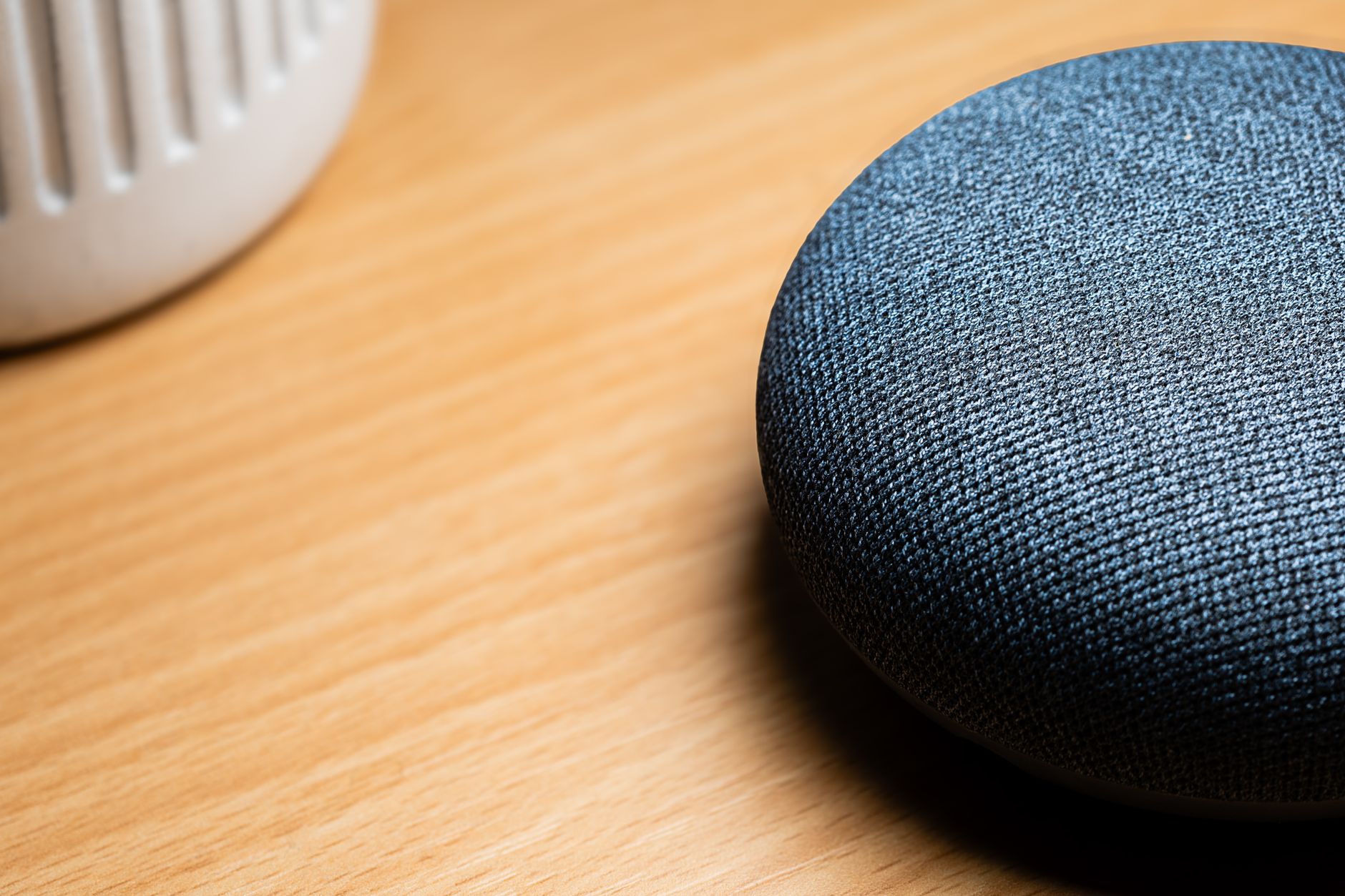
Evenings have changed. Where once we would switch the lights and hope for the best, now we talk to rooms and houses talk back. The quiet force behind this evolution? Artificial Intelligence. These smart home solutions, powered by platforms like Amazon Alexa and Google Nest, are steadily weaving themselves into routines across the globe. From optimizing energy with Ecobee to keeping watchful eyes through Arlo and Ring, AI is silently learning habits, preferences, and ensuring a home isn’t just connected but truly “smart.” For families juggling work, life, and comfort, the seamless blend of AI with devices such as Philips Hue lights or the August Smart Lock offers newfound peace of mind. Connections between the digital and physical worlds are becoming less science fiction and more morning reality.
How AI Personalizes Smart Home Experiences in 2025
It was once a time-consuming process to set each device to fit personal convenience. Now, AI platforms like Samsung SmartThings analyze patterns and adapt on the fly. What does this mean for daily living? Users no longer have to memorize half a dozen apps, AI combines routines, learns schedules, and anticipates needs without prompting. Lights set themselves with Philips Hue, thermostats like Ecobee balance comfort and efficiency, and door locks know who is expected and when, adapting gracefully for each member of the household.
- Behavior-driven lighting: Philips Hue adapts to day, night, and mood based on user activity.
- Proactive climate control: Ecobee thermostats predict optimal settings from historical patterns.
- Customized routines: Amazon Alexa synchronizes voice, music, and light for each family member.
- Smart security: August Smart Lock remembers frequent guests and unique entry codes.
These changes aren’t static, either. As individuals grow, so do their preferences, and the intelligent home keeps step, a silent observer, always learning but never intrusive.
Real-World Examples: Adaptive Security and Safety
Living alone in a big city once meant double-checking alarms and deadbolts. In 2025, someone like Maya relies on her Ring cameras, whose AI now filters visitors and distinguishes real threats from a misplaced delivery. Wyze cameras even send discreet alerts for unusual activity, preventing false alarms. Beyond doors and gates, Arlo integrates with neighboring Android systems to form a community watch, an unprecedented collaboration between hardware and software for security.
- Intruder detection: Ring and Arlo differentiate family, friends, and strangers using facial recognition.
- Emergency response: Wyze instantly contacts emergency services if critical sound thresholds are detected.
- Neighborhood networks: AI from multiple brands work together for greater area coverage and faster alerts.
Resilience, once measured in locks and keys, now lies in algorithms and collaboration. Home feels safer when every device works in concert.
Energy Efficiency and Sustainability through Smart AI Integration
Reducing a household’s carbon footprint might seem like an abstract goal, but AI brings direct actions and measurable results. When Sally set up her Ecobee and Google Nest thermostats, she watched as energy reports tailored themselves to her family’s routines. Meanwhile, Samsung SmartThings coordinated appliances, dimming Philips Hue lights when the sun shone and scheduling laundry cycles during off-peak hours.
- Predictive temperature management: AI understands weather patterns and closes windows before a storm.
- Smart lighting schedules: Philips Hue conserves energy by adjusting to occupancy and sunlight.
- Efficient device management: Appliances run when electricity is cheapest, without manual intervention.
The impact ripples outward. Not only do families save on utility bills, but the planet reaps the benefits, one AI decision at a time.
Voice Control and Automation: Living with Less Friction
In the whirlwind of morning routines, breakfast, lunches, lost keys, AI removes friction and replaces it with flow. Saying “Good morning” to Amazon Alexa now triggers a chorus: blinds roll up, Philips Hue lights turn to soft daylight, and the coffee maker, a humble warrior in this orchestra, starts brewing ahead of the rush. The August Smart Lock recognizes each person’s device, unlocking the door without fuss, while Google Nest reads out reminders.
- Multimodal commands: Talk, tap, or automate, AI adapts to personal interaction styles.
- Seamless access: August Smart Lock and Google Nest streamline arrivals and departures.
- Hands-free comfort: Every action can be triggered without ever lifting a finger.
Frictionless living isn’t a luxury, it’s an expectation. In 2025, AI ensures daily magic finally feels normal.
Interoperability: Linking Devices from Philips Hue to Wyze
Fragmentation once marred the smart home experience. A light here, a camera there, all operating in digital silos. Today, platforms like Samsung SmartThings break down these walls. A routine set on Amazon Alexa can call upon Wyze cameras, Philips Hue bulbs, and the August Smart Lock in one seamless flow. John, a tech enthusiast, recalls the challenge of early home automation, now, it’s about maximizing synergy.
- Unified user interface: Control every brand, from Arlo to Ecobee, with a single dashboard.
- Cross-device triggers: Opening the August Smart Lock can prompt Philips Hue lights and disarm Ring alarms.
- Shared learning: AI improvement is accelerated by insights shared across brands and devices.
The result? No more barriers, just possibility. In these homes, boundaries blur, convenience wins, and AI quietly orchestrates the perfect, personal symphony.