



Apple’s Next Move: “This Isn’t American Innovation,” Critics Slam US-Made Glass While iPhones Stay Foreign-Built
 By
Declan Moriarty
By
Declan Moriarty
| IN A NUTSHELL |
|
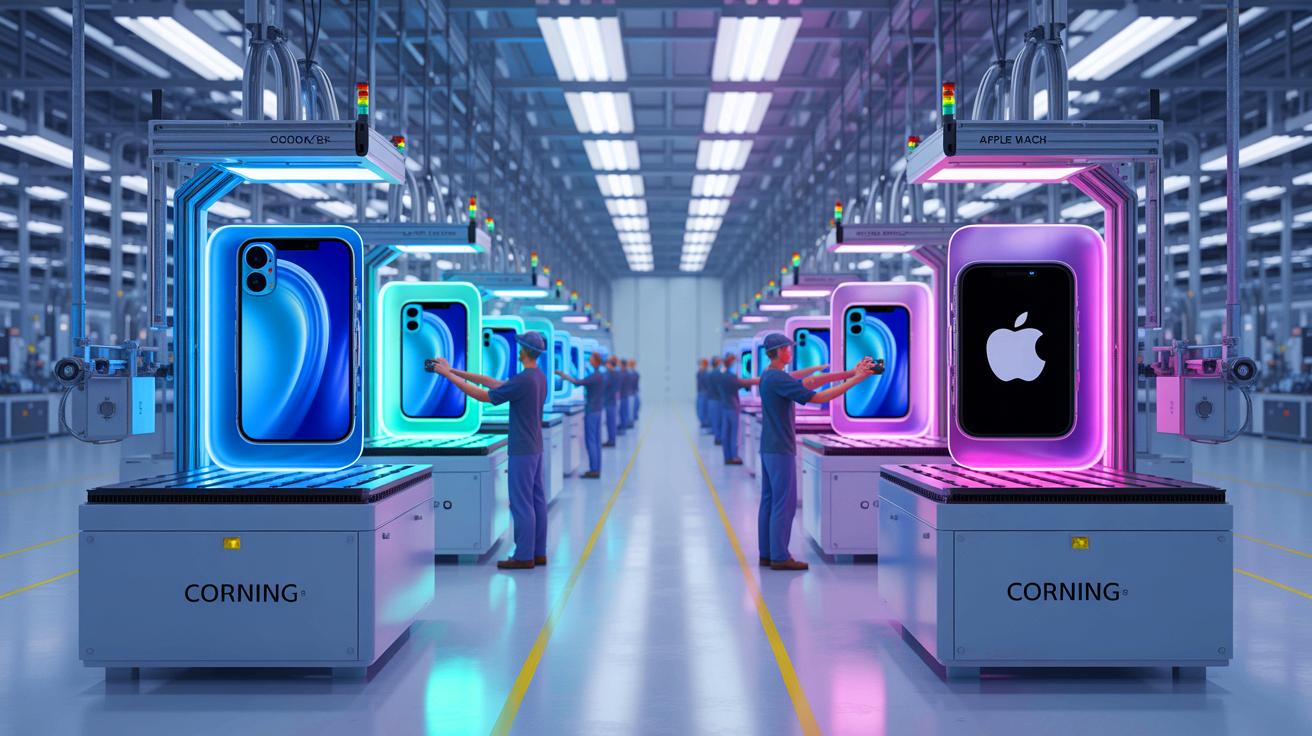
Apple’s recent announcement of a new partnership with Corning to manufacture glass for its iPhone and Apple Watch models in the United States marks a significant shift in its production strategy. This move is part of Apple’s broader commitment to invest $600 billion in the US economy over the next five years. While the devices won’t be entirely made in the USA, this initiative symbolizes a step toward strengthening domestic manufacturing. The partnership is expected to create thousands of jobs and boost local economies, highlighting the ongoing intersection of technology and economic policy in America.
Apple’s Commitment to Domestic Manufacturing
Apple’s decision to manufacture all iPhone and Apple Watch glass in the United States is a significant development in its manufacturing strategy. The tech giant has partnered with Corning, a longstanding US-based company, to produce the glass at Corning’s facility in Harrodsburg, Kentucky. This move is part of a $2.5 billion commitment from Apple, which is a subset of the larger $600 billion investment promised to the US economy over the next five years. The new venture signifies a shift towards more domestic production, aligning with broader economic policies encouraging American manufacturing.
This initiative is not just about creating glass. It represents a strategic decision to invest heavily in US-based operations. By doing so, Apple aims to increase its manufacturing and engineering workforce, which is expected to grow by 50%. The partnership will also see the establishment of a combined Apple-Corning Innovation Center, further solidifying the company’s commitment to fostering innovation and job creation within the United States.
The Economic Impact of Apple’s Investment
The financial commitment from Apple extends beyond the production of glass. The company has announced an additional $100 billion investment in the US, increasing its total planned investment to $600 billion. This substantial financial injection is expected to create approximately 450,000 jobs across 79 factories in America. Apple’s American Manufacturing Program involves collaborations with other US manufacturers like Coherent, GlobalWafers America, and Texas Instruments, further expanding its economic footprint across the nation.
Apple’s investment is poised to stimulate local economies by creating jobs and increasing demand for locally sourced materials. This move is also strategic, potentially shielding Apple from tariffs on chips and semiconductors. As President Donald Trump announced a 100% tariff on these components, Apple’s commitment to US manufacturing may exempt it from these charges, providing a financial buffer and encouraging other companies to follow suit.
Challenges and Opportunities in US Manufacturing
While Apple’s investment is a significant step towards increased US manufacturing, it also presents challenges. Building a complex supply chain domestically requires substantial infrastructure development and workforce training. Apple’s initiative to create an end-to-end silicon supply chain in the US aims to address these challenges. The company plans to produce over 19 billion chips by the end of 2025, a goal that necessitates substantial investment in technology and human resources.
However, this endeavor also presents opportunities for the US economy. By expanding its manufacturing capabilities domestically, Apple can reduce its dependency on foreign suppliers. This shift not only supports local economies but also enhances the company’s ability to innovate and respond to market demands swiftly. The creation of new jobs and the development of advanced manufacturing technologies could position the US as a leader in high-tech production.
Future Implications for American Innovation
Apple’s decision to manufacture iPhone and Apple Watch glass in the US underscores its belief in American innovation as a cornerstone of its business strategy. Speaking at the White House, Apple CEO Tim Cook emphasized the importance of US-based innovation in the company’s future. This move is not just about production; it’s about fostering a culture of innovation that can drive the next wave of technological advancements.
The implications of this decision extend beyond Apple’s immediate economic impact. By investing in American manufacturing, Apple is setting a precedent for other tech companies. This initiative could lead to increased investment in US-based manufacturing, promoting technological advancements and economic growth. As Apple continues to expand its US operations, it raises the question of how other tech giants will respond and what this means for the future of American innovation.
As Apple continues to expand its manufacturing presence in the United States, the long-term effects of this investment remain to be seen. Will other tech companies follow Apple’s lead, and how will this shift in production strategy impact the global technology landscape? The answers to these questions will shape the future of American manufacturing and innovation.