



Comparing the best budgeting apps of the year
 By
Naomi Adeyemi
By
Naomi Adeyemi
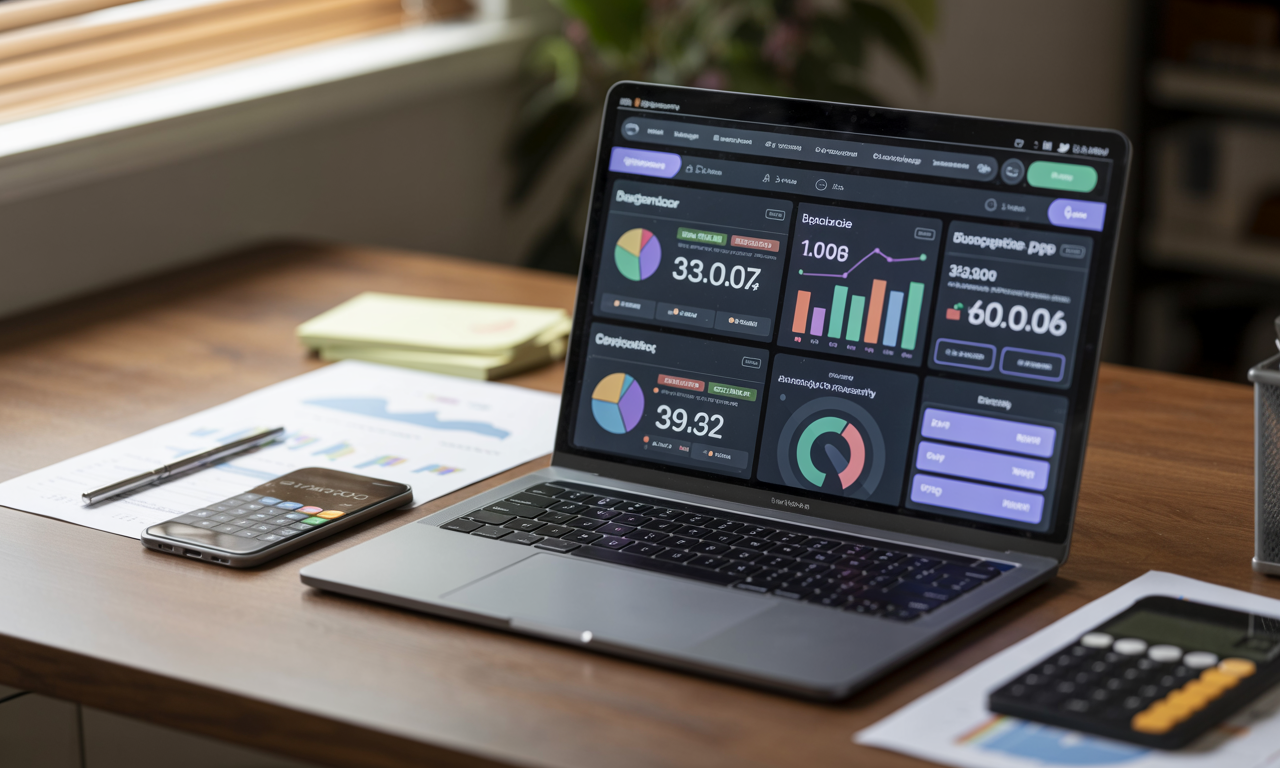
The search for the ultimate budgeting app has never been more competitive or more nuanced than in 2025. With financial habits turned digital and an ever-growing demand for personalization, the landscape of money management tools is vibrant, and crowded. Apps like Mint and Personal Capital set the stage, but names such as YNAB, PocketGuard, EveryDollar, GoodBudget, Spendee, Wally, Simple, and Mvelopes are now household terms for a wide range of financial needs. Whether it’s automating expenses, tracking spending to the cent, or building investment portfolios, each solution brings its own color. For those who have felt lost in an ocean of expense categories or frustrated by clunky interfaces, the differences among the top contenders have become decisive. Let’s walk through the heart of this marketplace, exploring what makes these budgeting aids not just tools, but guides for living better, one dollar at a time.
How Today’s Top Budgeting Apps Stand Out
Staring at a glowing smartphone screen, Jamie, a young professional in Austin, ponders how best to divide an income that never seems to stretch. He toggles between Mint, adored for its free connectivity, and YNAB, whose zero-based philosophy offers clarity. The choices, though, are broader and more textured than ever. A quick scan of the App Store or Google Play reveals that today’s top budgeting apps are defined by their guiding principles and signature features, not just their price tags. Some are built for hands-off automation; others demand, and reward, hands-on budgeting. In the age of personalization, even the classic envelope system finds new digital life. Here’s how the standouts are carving their own paths:
- Mint: Automatic syncing with banks, intuitive snapshots of spending, and investment tracking.
- YNAB: Emphasizes zero-based budgeting, manual entry, and accountability.
- PocketGuard: Focuses on “what’s left” after bills, marrying simplicity with proactive alerts.
- Personal Capital: Integrates budgeting with investment monitoring and retirement planning.
- EveryDollar: Roots itself in intentional zero-based strategies, ideal for those who like a clear, step-by-step plan.
- GoodBudget: Resurrects the envelope method, supporting easy sharing for couples or roommates.
- Spendee, Wally, Simple, and Mvelopes: Each tackles budgeting from unique angles, joint accounts, visualizations, built-in simplicity, or old-school cash envelope metaphors.
YNAB, EveryDollar, and the Zero-Based Difference
For those who thrive on structure, consistent feedback, and intentionality, few approaches match the discipline of zero-based budgeting. Jamie’s experience with YNAB highlights both its logic and friction: every dollar finds a purpose, urging users to set precise goals and adjust as life happens. Similarly, EveryDollar guides its users through monthly cycles with the clear prompt of “what’s left to budget?” The result is a system that doesn’t just react but plans, transforming money management from a panic-driven task to a proactive ritual.
- Manual transaction categorization ensures you stay involved, catching those sneaky Amazon purchases or one-off splurges.
- Goal setting and tracking are core: from emergency funds to that trip to Hawaii, everything is accounted for.
- Premium versions offer bank syncing without automated miscategorization, putting users in full control.
Automation vs. Accountability: Simplifi, Mint, and PocketGuard Compared
If the zero-based method is a marathon, hands-off automation is a brisk walk. Mint and Simplifi automatically categorize expenses, craft reports, and generate recommendations based on spending history. For those who just want to know if they’re staying under budget, PocketGuard’s “In My Pocket” feature shines a light on everyday available cash, reducing the stress of overspending without demanding daily input. Yet, some reviewers, like Jamie’s roommate Alex, find automation lacking nuance. The pizza order marked as “Groceries,” the gym subscription filed as “Entertainment”: the results can be comical, sometimes costly.
- Mint: Free, but with frequent advertising and sometimes slow bank syncs.
- Simplifi: Paid, equipped with real-time alerts and tax reports.
- PocketGuard: Both free and paid tiers, with proactive tools to visualize uncommitted cash.
Envelope Budgeting in the Digital Age: GoodBudget, Mvelopes, and More
The envelope system, immortalized for decades by cash-friendly savers, finds a home in the likes of GoodBudget and Mvelopes. These platforms divide funds into virtual categories, groceries, rent, gas, ensuring there’s never a surprise at the end of the month. When expenses threaten to overrun, the app signals, and users are prompted either to move funds or curb spending. While some users praise the discipline these tools foster, others, like parents balancing shared expenses, value the collaboration and transparency.
- Digital envelopes prevent accidental overspending, forcing difficult but necessary decisions.
- GoodBudget’s sharing feature streamlines household money management.
- Mvelopes offers unlimited envelopes and real-time syncing for couples.
Custom Reports, Net Worth, and the Rise of Wealth-Focused Budgeting
Where traditional tools end with expense management, newcomers like Personal Capital, Monarch Money, and Spendee add layers of insight, from investment performance to net worth calculations. For professionals keen to oversee every financial detail on one dashboard, these apps replicate the power of full fiscal management. Features such as personalized debt payoff plans, forecast timelines, and custom reporting are changing what users expect from their digital accounting partners. Even Wally has surfaced as a contender for its international multi-currency support, perfect for globetrotters and digital nomads.
- Net worth tracking connects the dots between daily spending and long-term goals.
- Investment monitoring lets users see retirement savings and portfolio growth at a glance.
- Custom budget reports provide tailored views of where money is helping, or hindering, lifestyle plans.
Key Lessons from Real Users: Friction, Features, and Financial Growth
Sifting through reviews, a narrative emerges: the most “intelligent” apps are only as smart as their user’s habits. Those who prefer a high degree of involvement find satisfaction in manual categorization and granular control, as in YNAB and EveryDollar. App automation is beloved for convenience, yet its pitfalls, misplaced purchases, overlooked bills, can breed frustration unless regularly monitored. Features like expense splitting, real-time alerts, and household sharing transform mere apps into living household ledgers. And always, the most celebrated solutions, whether Simple or Spendee, offer both clarity and encouragement to help users not just track, but transform, their money lives.
- User involvement usually means higher accountability and better results.
- Customization lets every household tailor their budgeting plan.
- Regular reviews of spending prevent small leaks from sinking the financial ship.
Finding Your Fit: Which Budgeting App Is Best for You in 2025?
Budgeting has always been a personal journey. Jamie’s trial and error mirrors the experience of millions, switching from Mint to PocketGuard out of frustration over missed transactions, then experimenting with EveryDollar for a touch more discipline, eventually finding that the best approach combines the automation of Spendee and the intention of GoodBudget’s envelopes. In 2025, the landscape is richer than ever, and your perfect fit depends on your habits, goals, and willingness to interact with your money.
- If you crave automation and convenience, Mint or Simplifi may suit.
- If zero-based budgeting appeals, test YNAB or EveryDollar.
- If you want a digital envelope experience, consider GoodBudget or Mvelopes.
- For those balancing daily budgets and investments, Personal Capital or Monarch Money is compelling.
- Collaborative households might favor Spendee, Wally, or Simple for their sharing features.
No app will replace discipline or eliminate the need for tough conversations about money. The right tool, though, will make those conversations easier, the decisions clearer, and the results far more rewarding.