


The best health apps to track your wellness journey in 2025
 By
Naomi Adeyemi
By
Naomi Adeyemi
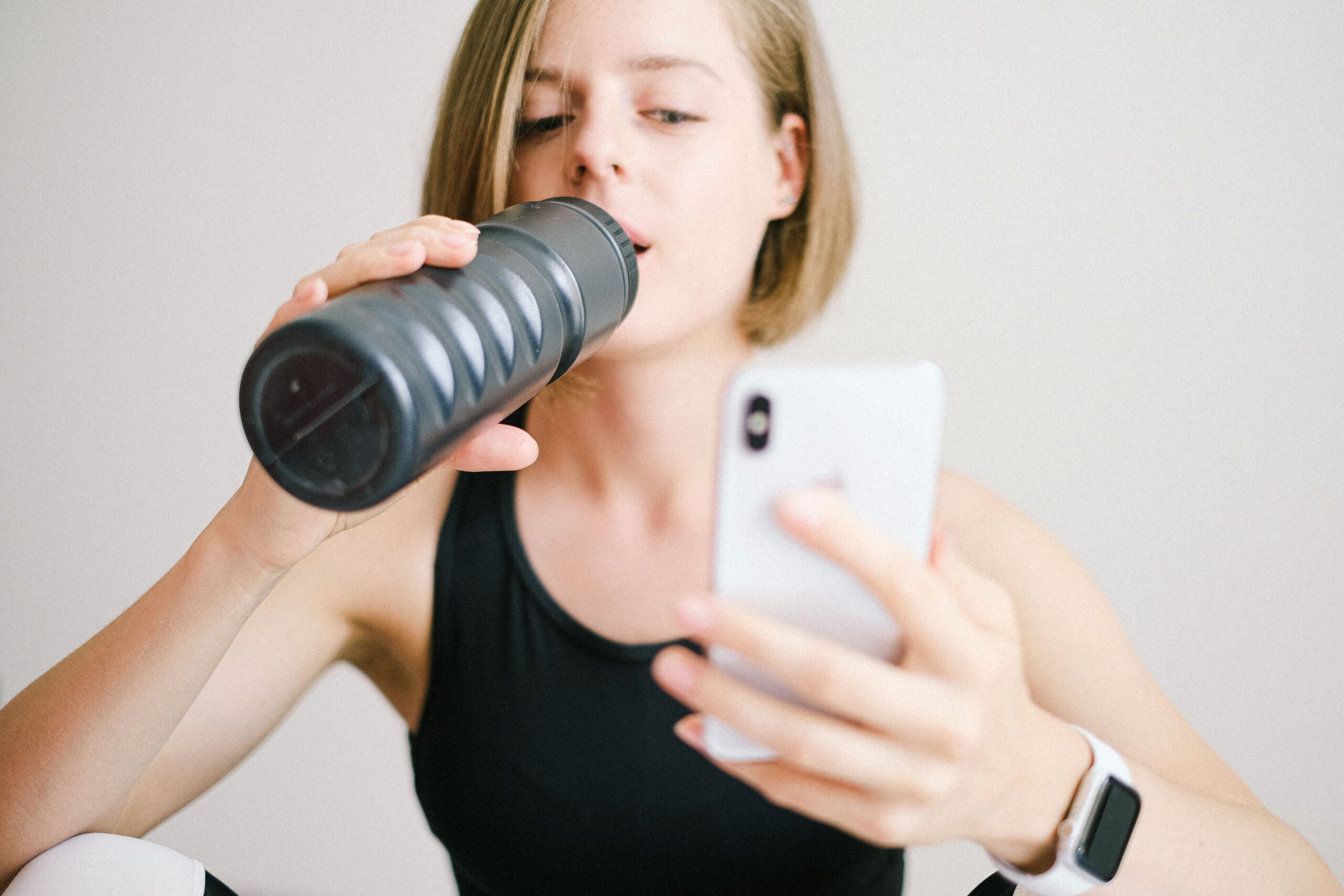
In 2025, the landscape of personal wellness is virtually unrecognizable from just a decade ago. What once required journals, guesswork, and endless spreadsheets has been replaced by apps that can interpret a skipped breakfast or a spike in stress before you even notice the signs. On a hectic Wednesday, someone waking up groggy can now open their phone to discover sleep insights, get a nudge to hydrate from a watch notification, or launch a breathing session to ease the morning rush, all before their first cup of coffee. Wellness has become a living, adaptive narrative, shaped by a new generation of health apps that work quietly in the background and empower big changes, one choice at a time. This article takes you through the essential tools, spanning nutrition, fitness, mindfulness, and beyond, helping you chart a smarter, more accountable path toward health this year.
Reimagining Wellness: Categories of the Best Health Apps in 2025
The digital health revolution is all about personalization and simplicity. In 2025, apps like MyFitnessPal, Fitbit, Samsung Health, Noom, Headspace, and Calm bring new meaning to daily self-care. Rather than offering one-size-fits-all advice, today’s wellness tools are tailored to cover a spectrum of needs, from sleep monitoring to heart rate management, motivation coaching, and nutrition tracking. These categories make it easier to find the perfect digital companion for your unique journey.
- Fitness & Activity Apps (e.g., Fitbit, Samsung Health, Nike Training Club): Real-time tracking of steps, workouts, and overall movement.
- Nutrition & Calorie Trackers (e.g., MyFitnessPal, Lose It!, Lifesum): Detailed meal logging, barcode scanning, and individualized nutrition advice.
- Mental Health & Mindfulness Apps (e.g., Calm, Headspace): Guided meditations, emotional check-ins, and daily stress reduction tips.
- General Health Monitoring Platforms (e.g., Apple Health, Google Fit): Unified dashboards compiling biometrics from various devices and third-party apps.
- Women’s Health Apps (e.g., Flo): Cycle, fertility, and symptom tracking with privacy-focused design.
Understanding these options helps users prioritize the data and insights that matter most to them, setting the stage for true lifestyle transformation.
Why Variety Matters: Finding Your Personal Wellness Match
Every wellness journey is distinct. For someone like Mia, an overworked manager juggling family and a busy career, integrating Headspace or Calm for lunchtime meditation can be life-changing, while an aspiring marathon runner like Carlos relies on Fitbit and Apple Health for performance analytics.
- Mindfulness seekers gravitate to Calm and Headspace for on-demand guidance.
- Fitness enthusiasts mix Fitbit, Samsung Health, and Google Fit for nuanced activity data.
- People aiming for dietary improvement benefit from Lifesum or MyFitnessPal’s adaptive AI.
- Those seeking all-in-one visibility rely on platforms like Apple Health or Google Fit to connect data streams.
Matching your app to your personal health story makes it far likelier you’ll stick with new routines and celebrate your progress. The move toward customization is redefining what daily health support looks like.
Top Health and Wellness Apps of 2025
The best health apps in 2025 have become more than simple logbooks, they’re proactive, intuitive allies that coach and motivate. Leaders in this new era combine AI-driven insights, seamless device integration, and engaging interfaces. Here’s a closer look at the standouts that millions are trusting to shape their habits and results.
- MyFitnessPal: Now featuring advanced AI, it predicts nutritional gaps, detects habits hindering your goals, and delivers curated meal suggestions and reminders. Its integration with wearables and barcode scanners makes tracking almost effortless.
- Fitbit: A comprehensive health dashboard, steps, heart rate, stress, sleep, and recovery, coupled with guided daily habits and readiness scores.
- Headspace and Calm: Provide meditation, sleep wind-downs, and emotional tracking, helping millions manage stress and burnout.
- Lifesum: Combines traditional food logging with wellness plans and visual feedback for macronutrients, hydration, and activity.
- Lose It!: Gameifies weight management with community challenges, detailed calorie tracking, and smart goal adjustments.
- Noom: Blends cognitive behavioral coaching with progress tracking, supporting sustainable habit change over time.
- Apple Health / Google Fit: Serve as the central nervous system for wellness data, bringing together insights from every connected device or app.
The shared advantage? Each app grows more intelligent the longer you use it, translating biometrics and behavior patterns into meaningful nudges and customized support. Adaptability and motivation drive real outcomes.
What Sets These Apps Apart?
Compared to old-school tracking, today’s best tools deliver much more than numbers. Take MyFitnessPal: it doesn’t simply log calories but acts like a personalized nutritionist, adjusting recommendations on the fly. Or Fitbit, whose readiness and recovery scores fine-tune every workout for optimal results and injury prevention.
- Personalized coaching evolves with your habits and goals.
- Visual progress charts and instant feedback increase motivation.
- Secure health data management builds trust and consistency.
These innovations elevate the experience from routine to rewarding, encouraging lasting engagement and measurable progress. The next section explores how these apps support long-term success.
How to Choose the Best Health App for Your Wellness Journey
Selecting a health app can feel overwhelming, given the explosion of options. Still, a little research and self-reflection help identify what aligns best with your routine and goals. As the market grows, the best choices offer both immediate simplicity and long-term adaptability.
- User-friendliness: Plain language, clear visuals, and easy navigation matter, apps like Lifesum and Lose It! prioritize this.
- Custom goal setting: Look for customizable dashboards, progress reminders, and responsive analytics as in MyFitnessPal and Fitbit.
- Advanced integration: The ability to sync with other platforms, Apple Health, Google Fit, Samsung Health, eliminates extra admin work.
- Evidence and science: Prioritize apps with research-backed features or clinical validation (e.g., Noom’s behavior change strategies, Headspace’s clinical studies).
- Privacy and security: Ensure end-to-end encryption and transparent data policies.
Choosing a platform that’s easy to use and adapts as your life changes can be the key to a lifelong wellness habit. As you reflect on your needs, remember that what matters most is consistency, not perfection.
Inspiring Consistency: Built-In Features that Boost Success
It’s not just about data, but what you do with it. Leading health apps in 2025 nurture accountability and self-motivation in clever ways. With badge systems, tailored reminders, monthly challenges, and social support networks, users like Sam have found the difference between “trying” and “succeeding.”
- Visual badges mark daily and weekly progress, and drive achievement.
- Social connectivity inspires and rewards friendly competition.
- Streak tracking and reminders reduce the temptation to skip a good habit.
This gamified approach transforms small steps into a confident, ongoing journey, momentum that keeps health at the top of the agenda, even on tough days.
The Real-World Impact: Why Health Apps Matter More Than Ever
Beyond buzzwords and screenshots, these wellness apps are improving lives on a measurable scale. By transforming vague intentions into actionable plans and tangible feedback, apps like MyFitnessPal, Fitbit, and Noom are reshaping what’s possible in personal health. A landmark 2024 study confirmed that app users stay more consistent and witness better results in nutrition, exercise, and sleep compared to those without digital support.
- Automated tracking keeps goals top of mind, day after day.
- Instant feedback lets users course-correct before small setbacks become big issues.
- Insights uncovered over months reveal lifestyle patterns and subtle pitfalls.
- Preventive focus, tracking heart rate, glucose, or hydration, reduces avoidable emergency care.
This is more than just convenience, it’s empowerment, turning each user into the author of their own health story. As technology continues to evolve, these apps will only become more vital for well-being, resilience, and self-discovery.