



Comparing the best smart home platforms available
 By
Rhys Llewellyn
By
Rhys Llewellyn
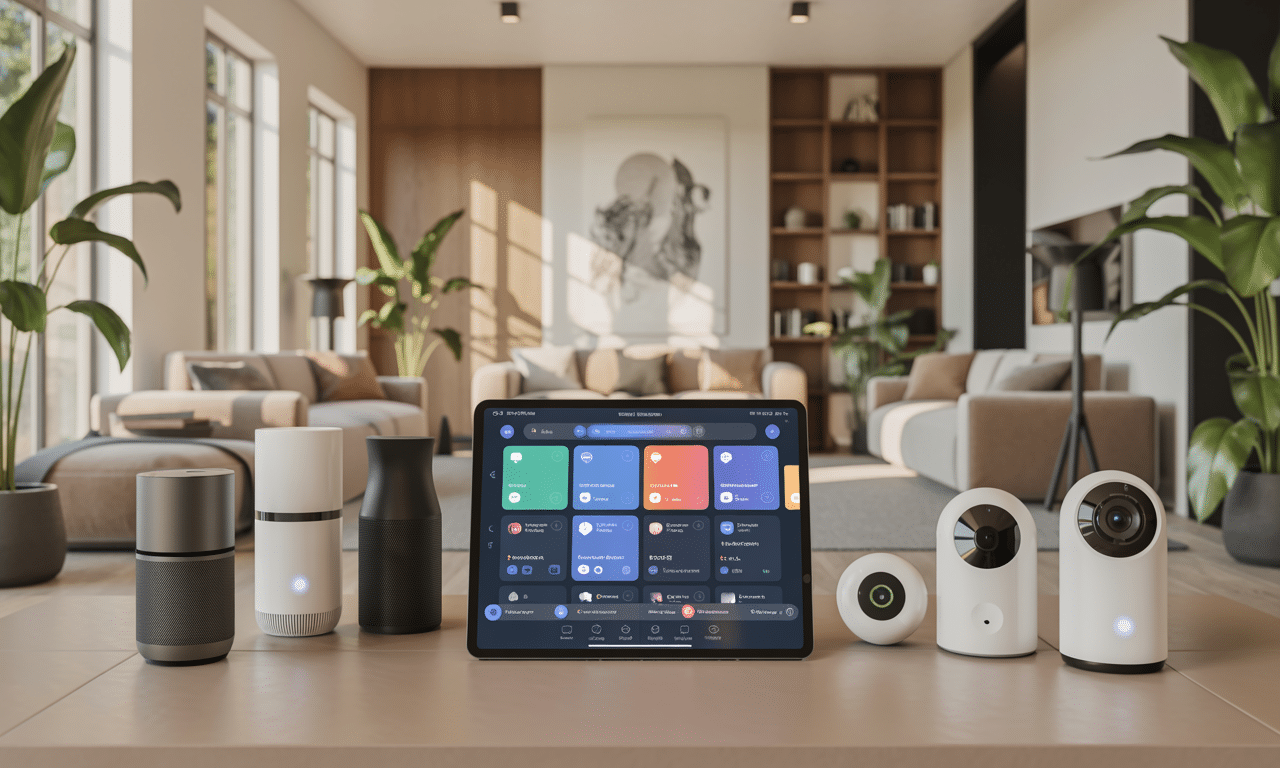
The landscape of smart home platforms has evolved rapidly, driven by a surge in connected devices and a growing demand for convenience and automation. In 2025, homeowners face a myriad of choices, from established giants like Amazon Alexa and Google Nest to aspiring disruptors such as Home Assistant and SmartThings. Each ecosystem touts its distinctive strengths, whether voice control, device compatibility, privacy, or price. Yet, beneath the glossy promises and slick apps, the real challenge remains: finding the right system to seamlessly bring together devices like Philips Hue lights, Ecobee thermostats, Ring cameras, and TP-Link Kasa switches. For newcomers and tinkerers alike, the choices can be dizzying. Let’s journey through the major smart home platforms shaping how modern homes think, react, and interact, and discover which might fit best for every kind of user.
How To Choose the Best Smart Home Platform for Your Needs
For anyone standing at the threshold of home automation, picking the right platform sets the stage for every smart interaction to come. Most users start with a preference for a familiar voice assistant or build around the devices they already own, such as a Google Nest hub or Amazon Alexa speaker.
- Device compatibility: Check if your preferred gadgets, like Philips Hue bulbs or TP-Link Kasa plugs, work natively with the system.
- Future flexibility: Consider whether the platform supports open standards like Matter or Zigbee for broader device integration.
- Privacy and security: Apple HomeKit is known for robust privacy, while Alexa and Google Home gather more data but offer expansive features.
- Ease of use: Platforms like Google Home and Apple HomeKit excel at intuitive interfaces, reducing friction for less tech-savvy users.
- Automation potential: Evaluate automation and routine-building; advanced users may favor Home Assistant or SmartThings for deeper customizations.
In the end, matching your priorities and existing tech determines the foundation of your smart home experience.
Key Factors: Price, Installation, and Expandability
Budget consciousness drives many decisions. While entry costs may be modest with products like Amazon Echo or basic Google Nest hubs, expanding with specialty devices, security, climate control, or lighting, adds up.
- Initial outlay often includes a hub ($50, $200) and core accessories (lights, locks, sensors, etc.)
- Samsung SmartThings and Wink Hub support multiple protocols (Zigbee, Z-Wave), ensuring long-term expandability.
- Watch for tariffs and regional price surges on products like robot vacuums, especially those imported from countries affected by U.S. trade policy in 2025.
- DIY setup: Modern platforms empower users to install and automate without professional assistance.
Looking ahead, one’s ecosystem choice will shape both the cost and the creative possibilities of a truly integrated home.
The Main Smart Home Platforms Compared: Alexa, Google, Apple, and Beyond
The modern smart home is a tapestry of competing ecosystems and overlapping compatibility. Each platform brings something unique, let’s explore how they stack up for different needs.
Amazon Alexa: Voice Control King and Automation Hub
The Alexa ecosystem is renowned for the sheer breadth of its compatible devices, spanning from thermostats like Ecobee to AV systems and kitchen appliances. At its core, Alexa shines through hands-free commands, smart routines, and a marketplace full of “Skills” for everything from news to entertainment.
- Pros: Huge device compatibility (Wi-Fi, Zigbee, Matter, Bluetooth), robust voice control, wide Skill library.
- Cons: Busy app interface, potential privacy concerns, and occasional feature pushiness on Echo Show screens.
- Many Echo models act as Zigbee/Matter hubs, removing extra hardware for basic device control.
- Use case: Alexa suits voice-first households and users who want maximum automation with devices spanning many brands.
Alexa continues to expand its capabilities, staying ahead through constant integration of new devices and improved voice recognition.
Google Nest & Google Home: Intuitive, Expansive, and Visual
Anchored by devices like Google Nest Hub and smart speakers, Google’s platform is a favorite for Android users and those who appreciate visual interfaces. Integrations with TP-Link Kasa, Ring, and more make it a flexible choice for most needs.
- Pros: Wide compatibility, visually intuitive app, powerful routines and routines accessible from phone to watch.
- Cons: Less privacy customization than Apple, not as broad as Alexa in third-party “Actions.”
- Nest displays bring the smart home to life with touch controls and live video from Ring or ecobee cameras.
- Use case: Best for Android-centric homes and users who want voice plus rich visual overviews of their connected living spaces.
Long-standing integration with Google services gives the year’s platform an edge in personal assistant tasks and ongoing compatibility updates.
Apple HomeKit: Secure, Seamless, and Apple-First
Apple HomeKit weaves privacy and simplicity into its DNA. The Home app groups all devices and automations in one place, while Siri offers reliable voice control. When paired with a HomePod Mini or Apple TV 4K, users can control devices, like lights or Ecobee thermostats, anywhere, securely.
- Pros: Leading privacy, slick interface, smooth integration with Apple devices and automation via Scenes and Shortcuts.
- Cons: Fewer compatible devices without Matter, some device setup can be finicky, limited for Android/Windows homes.
- Recent support for Matter makes adding new products from brands like Philips Hue much smoother than before.
- Use case: Ideal for iPhone households valuing privacy and uniformity across their tech ecosystem.
As Apple pushes deeper into Matter and partnerships expand, HomeKit’s device pool grows, though it remains an Apple-optimal choice.
Samsung SmartThings: Highly Compatible, Pro Automation
Samsung SmartThings has evolved, focusing on software while maintaining a robust hub infrastructure (often built by Aeotec). It stands out for supporting both Zigbee and Z-Wave, making it a haven for device enthusiasts eager to integrate lighting, locks, sensors, and more.
- Pros: Wide-ranging compatibility (Zigbee, Z-Wave, Wi-Fi, Matter), advanced automation, flexible device grouping.
- Cons: Setup may be less straightforward for beginners, some legacy hardware no longer produced.
- Best for those seeking deep customization and who aren’t afraid to tinker for optimal setups.
SmartThings uniquely bridges the gap between traditional smart home users and tech enthusiasts in need of precise automation control.
Emerging Smart Home Platforms and Their Unique Advantages
Beyond the mainstays, newer and open-source platforms have arrived to address gaps in compatibility, local control, and cost.
Home Assistant: For the Power User Who Wants It All
Home Assistant, an open-source heavyweight, delivers unmatched device support and runs locally, meaning you control your home even if your internet drops. Its user interface is steadily improving, making it appealing to both advanced users and beginners comfortable with tech.
- Supports: Over 1,000 integrations, including Matter, Zigbee, and legacy systems.
- No hub required for many setups: can run on Raspberry Pi, Home Assistant Green, or compatible PCs.
- Deep privacy, full automation scripting, and massive device/editor freedom.
- Drawback: Initial setup may confuse total beginners, though guides are abundant and community support is strong.
For those with a diverse smart device collection, Philips Hue bulbs, TP-Link Kasa plugs, Zigbee window sensors, Home Assistant offers the broadest integration without vendor lock-in.
This platform’s rise signals a shift toward user sovereignty and ecosystem flexibility.
Wink Hub, Aqara, and Compatible Platforms
Sometimes practical alternatives, like Wink Hub, remain the best way to unify eclectic collections of smart devices. Wink, for instance, gathers everything from Philips Hue lights to Ring security systems and offers centralized, app-driven control. Meanwhile, ecosystem-focused brands like Aqara use Zigbee bridges to keep costs low and compatibility wide.
- Wink Hub: Supports Z-Wave, Zigbee, and Wi-Fi devices, good for established multi-brand homes.
- Aqara: Focuses on affordable yet reliable devices, recently embracing Matter and Thread for expanded integration.
- Endorses simple app-based automations.
These platforms thrive in households mixing legacy gadgets with the latest smart tech.
The Role of Matter and Thread: The Future of Smart Home Compatibility
Fast forward to 2025, and Matter becomes a pivotal piece of every major platform. Conceived as a universal standard, it unlocks cross-brand device compatibility with minimal fuss, while Thread facilitates fast, hub-free mesh networking between devices.
- Look for the “Works with Matter” logo: it’s becoming a must-have for new purchases.
- Major brands, including Apple HomeKit, Amazon Alexa, Samsung SmartThings, and Google Nest, now support Matter/Thread as standard.
- Legacy devices can often join in via hub or bridge upgrades, see Philips Hue for a prime example.
Matter’s evolution marks a turning point: interoperability is no longer a luxury, but an expectation for future-proof smart homes.
Smart Home Devices and Real-World Platform Integration Scenarios
Imagine Anna, a modern homeowner, piecing together her smart home. She picks up a Google Nest Hub for easy voice and touchscreen controls, pairs Philips Hue lights to set the mood, adds Ecobee thermostats for climate, and finally secures everything with a Ring doorbell. In Anna’s case, her choice of Google Home ties everything together, allowing routine automations like “Goodnight” to turn off lights, lock doors, and adjust the temperature with a single command.
- SmartThings or Home Assistant would cater to more intricate setups, including integrating Zigbee sensors or expanding outdoor automation.
- For total voice control in a multi-brand setup, Alexa’s ecosystem is hard to beat, especially as more devices adopt Matter.
- Apple devotees find HomeKit ensures seamless, secure automation in environments filled with iPhones, iPads, and Apple Watches.
Whatever path is chosen, platform selection determines not just day-to-day convenience but the entire arc of a smart home’s development and its ability to adapt as technology evolves.