



Chaos Erupts in Innovation War: US Tech Leaders Clash Over Stifling Market Tactics as Industry Faces Uncertain Future
 By
Naomi Adeyemi
By
Naomi Adeyemi
| IN A NUTSHELL |
|
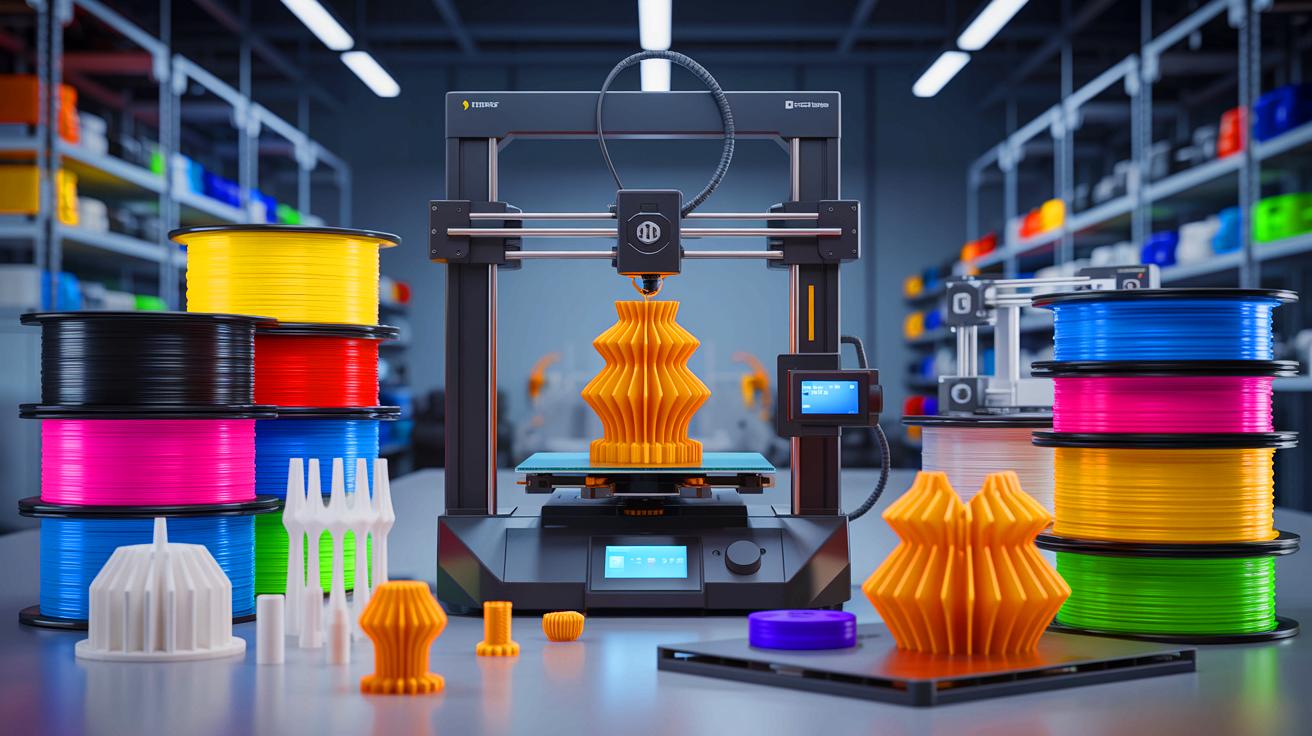
The world of 3D printing has undergone a seismic shift over the past decade, from a collaborative open source environment to a fiercely competitive industry influenced by global politics and economic strategies. Once a playground for hobbyists and innovators, the open source 3D printing community now faces significant challenges as state-backed enterprises, particularly from China, deploy aggressive tactics that reshape the competitive landscape. This transformation raises critical questions about the future of innovation and the impact of international economic policies on technological development.
The Rise and Fall of Open Source 3D Printing
Open source 3D printing was once a beacon of innovation, characterized by shared designs and communal knowledge. Enthusiasts like Josef Prusa built their businesses on these principles, fostering a culture of collaboration. Prusa Research, for example, flourished by sharing its designs and collaborating with global partners. This approach allowed rapid advancements and accessible technology for all. However, the landscape shifted dramatically when China’s government identified 3D printing as a strategic industry in 2020.
State-backed rivals began to dominate the market by leveraging generous subsidies and favorable economic policies. Chinese companies, with substantial financial backing, could produce machines at a fraction of the cost faced by European and North American manufacturers. This economic imbalance made it increasingly difficult for companies like Prusa Research to compete, fundamentally altering the dynamics of the industry. As a result, the open source ethos that once defined 3D printing is now under threat.
Economic Imbalance and Its Impact
The economic strategies employed by China have significantly impacted the global 3D printing market. According to a study by the Rhodium Group, Chinese firms benefit from grants, subsidies, and easier access to credit, making manufacturing markedly cheaper. These advantages allow Chinese companies to sell their products at lower prices, undercutting competitors and gaining significant market share. This shift has prompted concerns about the sustainability of open source principles in the face of such economic pressures.
The disparities in patent costs further exacerbate this issue. In China, registering a patent can cost as little as $125, while challenging one ranges from $12,000 to $75,000. This financial gap encourages a surge of local filings, often on designs originating from open source projects. Consequently, companies like Prusa Research face significant hurdles in maintaining their market presence and protecting their innovations. The once thriving open source ecosystem is now struggling to survive in a marketplace dominated by state-backed enterprises.
Patent Wars: A New Battleground
The complexities of the global patent landscape have added another layer of difficulty for open source 3D printing advocates. As Chinese companies secure patents on innovations derived from open source designs, they effectively block international companies from entering the Chinese market. This dynamic creates a challenging environment for innovators who wish to protect their intellectual property while promoting open collaboration.
For instance, Anycubic, a Chinese company, secured a U.S. patent on a multicolor hub concept that mirrors a system first released by Prusa Research in 2016. This patent not only restricts Prusa’s access to the Chinese market but also complicates their operations in other regions. Such cases highlight the challenges posed by permissive patent rules and the potential for these patents to be considered “prior art” by agencies like the U.S. Patent Office. The ongoing legal battles underscore the pressing need for reform in how patents are awarded and enforced.
The Future of 3D Printing Innovation
As the open source 3D printing community grapples with these challenges, the question of how to sustain innovation in this new environment looms large. The pressures from state subsidies, patent disputes, and market imbalances threaten to stifle creativity and collaboration. However, some companies are beginning to adapt by developing proprietary technologies while still offering some open source elements.
Prusa Research, for example, has adjusted its strategy by restricting access to key electronic designs while continuing to share STL files for printed parts. This hybrid approach reflects a broader trend within the industry as companies navigate the complex landscape of intellectual property and market competition. The future of 3D printing innovation will likely depend on finding a balance between open collaboration and protecting intellectual property in a rapidly changing global economy.
The transformation of the 3D printing industry raises fundamental questions about the balance between open source collaboration and competitive market dynamics. As companies adapt to these changes, the broader implications for innovation and technological progress remain uncertain. How will the 3D printing community navigate these challenges to ensure that creativity and collaboration continue to thrive in this evolving landscape?