

Creative Freelancers Demand Recognition Amid AI Fatigue: “We’re Not Robots”
 By
Declan Moriarty
By
Declan Moriarty
| IN A NUTSHELL |
|
As artificial intelligence continues to permeate various sectors, one might expect the demand for human creativity to wane. However, recent trends indicate the opposite. The Freelancer Fast 50 Global Jobs Index shows a steady increase in job postings for writers, designers, and video editors, suggesting that the unique capabilities of human creativity are not easily replaced by machines. Companies are recognizing the value of emotional nuance and personal style, which AI struggles to replicate. This shift marks a significant moment where businesses are redefining their approach to content creation, choosing to emphasize depth and authenticity over algorithmic output.
Resurgence of Creative Freelancers
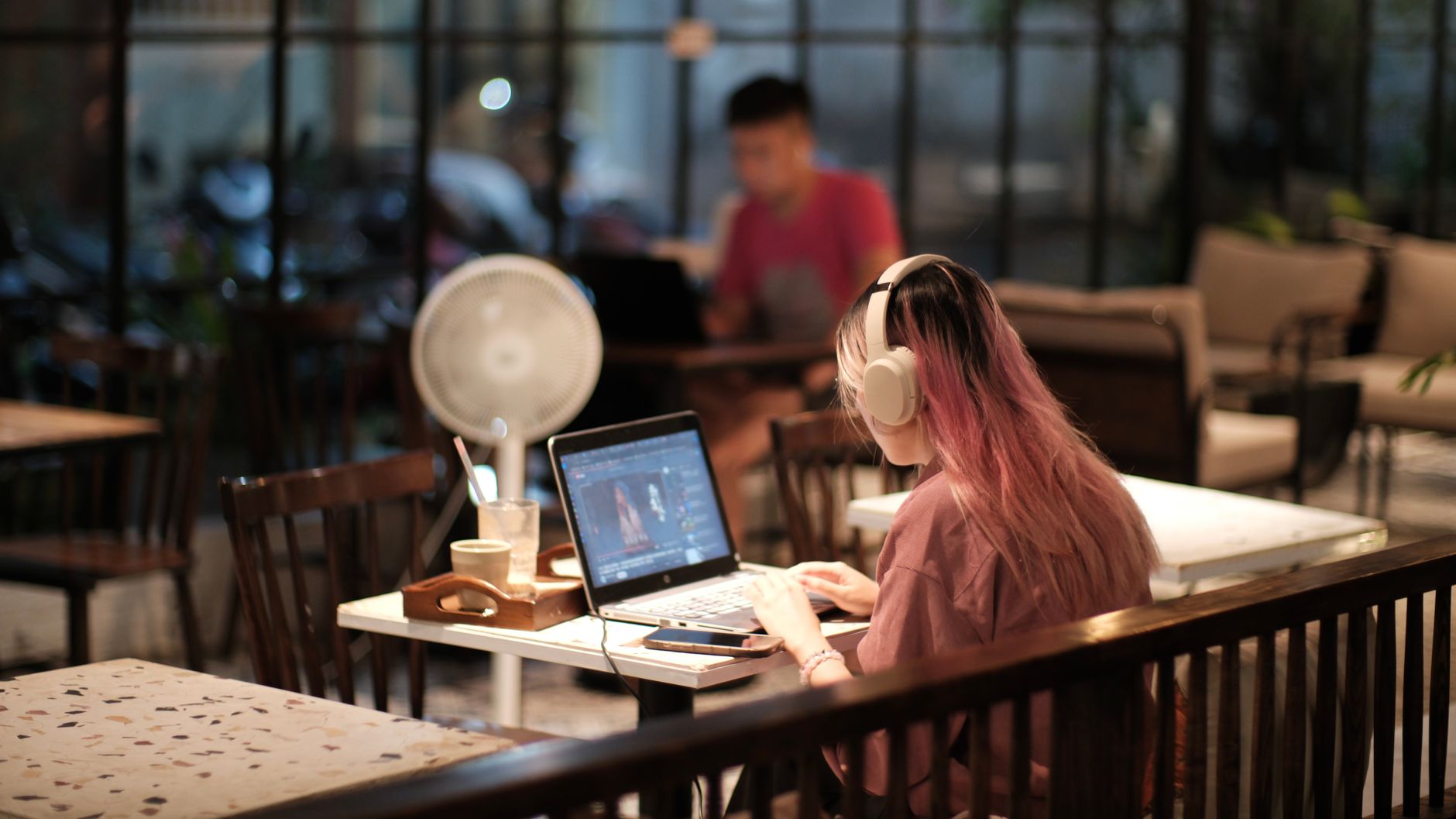
The rise in demand for creative freelancers is notable in today’s tech-driven environment. As generative AI tools reshape conventional workflows, one may assume that the need for human content creators would diminish. Yet, the opposite is occurring. According to the Freelancer Fast 50 Global Jobs Index, there is an upswing in job postings for creative roles such as writers, designers, and video editors. This increase indicates that businesses are differentiating between automated outputs and the nuanced, human touch that machines cannot convincingly replicate.
Many freelancers are thriving by offering the emotional nuance that AI fails to deliver. This has led companies to re-evaluate the role of human creativity in their operations. The backlash against what some call “AI slop” is growing, as businesses and audiences alike push back against the flood of bland, automated content populating social media and search platforms. This pushback is leading to a renewed appreciation for the depth and emotional resonance that only human creators can provide.
Impact of AI Slop Fatigue
The term “AI slop fatigue” has emerged as a descriptor for the widespread disillusionment with automated content. This phenomenon is both aesthetic and functional in nature. Platforms like Google have introduced algorithm updates that penalize auto-generated material, pushing brands to prioritize originality. As a result, clients are increasingly willing to invest in skilled professionals who can craft content that is not only visible but also emotionally resonant.
While AI tools are still employed in support roles to brainstorm ideas or speed up drafts, the final outputs are expected to pass a test of authenticity that machines fail to meet. This trend underscores the importance of human input in content creation, despite the efficiencies offered by AI. The increasing demand for freelancers to produce emotionally resonant writing highlights the limitations of AI in capturing the essence of human experience.
Growth in Visual Content Creation
The shift towards valuing human creativity is not limited to writing alone. Visual content creation roles are also on the rise. Skills in high demand include Adobe After Effects, Instagram content creation, and 3D design using Unity. These roles have seen double-digit gains, further emphasizing the trend towards valuing personal style over algorithmic predictability.
Freelancers in the visual arts have noted a growing interest in projects ranging from low-budget films to custom branding efforts. Clients are increasingly seeking professionals who can offer “strategic thinking” and “tailored solutions.” This demand reflects a broader recalibration of the role of AI tools in creative processes. Rather than displacing freelancers, many organizations are adopting hybrid workflows that leverage machines for efficiency while entrusting humans with final creative direction.
The Hybrid Workflow Model
The current shift in creative industries indicates a move towards hybrid workflows. Organizations are learning to balance the efficiency of AI with the irreplaceable value of human creativity. By integrating AI tools into their processes, businesses can streamline operations while still relying on human creators for the final touches that infuse content with authenticity and emotional resonance.
This hybrid model is gaining traction as companies recognize the limitations of AI. Freelancers are not just surviving but thriving in this new landscape, as their unique skills are increasingly sought after. The simple conclusion to this situation is that human nuance still matters. As businesses continue to navigate this evolving landscape, the question remains: how will they continue to balance the efficiency of AI with the authenticity that only human creativity can provide?
The unfolding narrative in creative industries highlights a critical question for the future: How will businesses continue to balance technological efficiency with the irreplaceable value of human creativity? As AI tools become more integrated into workflows, the role of human input will remain essential in ensuring that content resonates on an emotional level. The ability to adapt to this evolving landscape will be crucial for companies looking to maintain a competitive edge.