


The rise of foldable phones: are they worth the hype?
 By
Rhys Llewellyn
By
Rhys Llewellyn
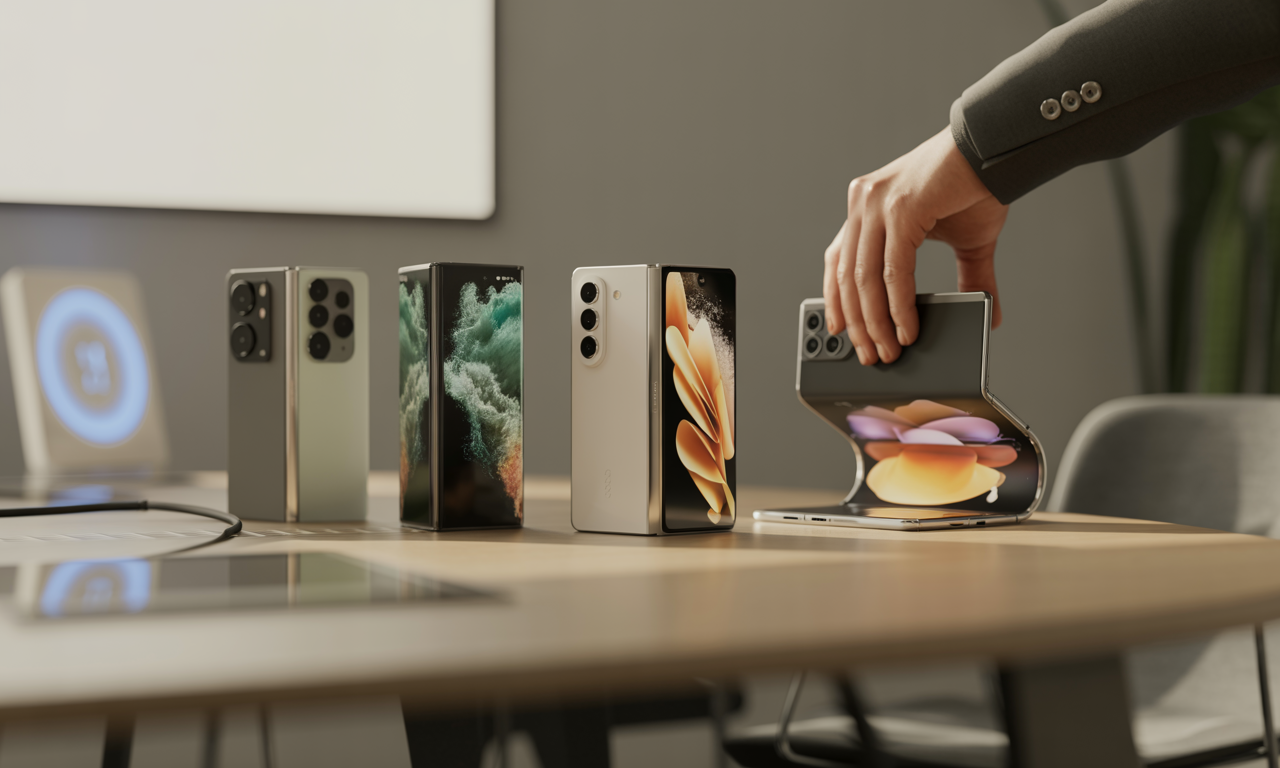
Imagine once doubting the return of the flip phone, only to find in 2025 that foldable smartphones aren’t just a nostalgic nod, they’re a full-blown technological revolution. In a world where Samsung, Huawei, Motorola, and even Apple are vying for dominance with flexible displays and daring new form factors, consumers are left both dazzled and divided. On one side, advocates laud the blend of portability and productivity that these devices offer; on the other, skeptics cite high prices and unresolved durability issues. The debate rages in cafés, on tech forums, and in corporate boardrooms, forcing everyone to ask: are these futuristic foldables truly worth their hype, or are they destined to become yet another passing fad? As we explore the transformative journey and real-world impact of foldable phones, the answers may not be as clear-cut as their sleek lines suggest.
The Evolution of Foldable Phones: From Prototype to Powerhouse
Long gone are the days when foldable screens seemed like fragile prototypes encased in glass domes at tech expos. Today, Samsung, Huawei, Motorola, and LG have led the charge, unveiling models that balance style and substance. In 2025, manufacturers are outdoing themselves by offering:
- Ultra-thin, durable glass that bends without cracking or creasing
- Reinforced hinges and waterproofing for real-world reliability
- Sleeker designs that make foldables practical for everyday carry
- Optimized software for seamless transitions between phone and tablet modes
As brands like Oppo, Xiaomi, and Royole enter the scene with their own innovations, the momentum only grows. The accelerated investment from Apple, Microsoft, and Nokia signals an industry unwilling to let this moment pass quietly. By ushering in better hardware and smarter software, foldable phones are finally stepping out of the tech demo shadows into consumer hands, and pockets.
Major Foldable Phone Innovations in 2025
- Dual-screen and multitasking-friendly designs
- Advanced camera placements unique to flexible frames
- Batteries engineered for longevity without excess weight
Signature Advantages: What Foldables Offer Beyond the Hype
For those who dip their toes in the foldable market, the appeal becomes immediately clear. These aren’t just fashion statements, they’re productivity machines and entertainment hubs rolled into one.
- Larger displays for immersive gaming, streaming, and reading
- Multitasking superpowers with split-screen modes for simultaneous apps
- Flagship hardware, including robust processors, fast RAM, and spectacular cameras
- Portability that puts a mini-tablet in the palm of your hand, then lets it slip into your pocket
Brands like Samsung and Huawei continue to set benchmarks with the Galaxy Z Fold, Mate X, and their subsequent evolutions, often integrating 5G connectivity and AI-powered features. Clamshell styles, like Motorola’s Razr and Samsung’s Z Flip, marry retro coolness with modern power. Even traditional players such as LG and newcomers like Royole are racing to define the next generation of design, showing that the foldable field is ever more competitive.
Types of Foldable Phones and Use Cases
- Book-style (tablet fold): Perfect for professionals juggling emails and presentations
- Clamshell (flip): Pocket-size convenience and style for on-the-go users
- Hybrid models: Emerging designs from Xiaomi and Oppo bridging the gap
Lingering Challenges: Durability, Price, and App Experience
Yet, as with any leap forward, the path to mainstream adoption is riddled with obstacles. High prices remain a significant hurdle; most flagship foldables start above $1,500, putting them out of reach for many. While advances in hinge engineering by companies like Microsoft (Surface Duo line) and waterproofing from Samsung help allay durability fears, concerns persist.
- Screen fragility: Even with tougher glass, folding displays still risk creases and wear
- Weight and bulk: Larger batteries mean a heftier device in your pocket or bag
- App optimization issues: Many apps, especially from smaller developers, struggle to adapt to split and dynamic screens
- Longevity questions: The moving parts and foldable mechanisms introduce new failure points over time
For comparison, standard flagship phones from Apple or Nokia continue to set the gold standard for durability and all-purpose usability, while still offering top-tier cameras and performance. The choice becomes one of novel functionality versus battle-tested practicality.
Foldables Compared to Traditional and Budget Smartphones
- Performance: Foldables often use the same processors and RAM as premium flagships
- Cameras: Sometimes compromise for space but innovate in placement
- Durability: Conventional phones like those from Nokia remain more rugged
- Affordability: Budget models from Xiaomi or LG deliver great value, without the thrill of folding screens
Every purchase, then, becomes a question of innovation vs. reliability, and how much one is willing to pay for either.
Who Should Buy a Foldable Phone in 2025?
With so much buzz, not every user fits the foldable profile. Early adopters, gadget enthusiasts, and multitasking professionals are finding real value in flexible devices. But those prioritizing all-day battery, drop resistance, or price should weigh alternatives carefully.
- Foldables are best for: Tech lovers, creative pros, mobile gamers, business multitaskers
- Conventional phones are better for: Users who need ruggedness, long battery, or budget-friendly options
Alternatives abound, Xiaomi, LG, and even new-generation Nokia devices pack high-end features without the folding premium. Still, nothing compares to the wow factor of flipping open a device that turns heads at every meeting or gathering.
Key Points When Deciding Between Foldable and Traditional Phones
- Evaluate your typical daily phone use, emails, calls, gaming, streaming?
- Consider your willingness to pay for cutting-edge design
- Check which brands (Samsung, Huawei, Motorola, Apple, Oppo, etc.) offer features matching your needs
The boldest users will likely fuel the next phase of mobile evolution, as brands refine their foldables and new contenders join the race.
Are Foldable Phones the Future or a Passing Trend?
The era of foldables is no longer a futuristic promise, it’s a living, unfolding narrative shaped by the likes of Samsung, Apple, Huawei, and Motorola. Breakthroughs in flexible displays and hinge tech, coupled with aggressive innovation from Xiaomi, Oppo, and Royole, ensure the story is far from over. However, traditional models from Nokia and LG continue to anchor the market for those less inclined toward risk.
- Foldables push boundaries, in design, functionality, and sheer imagination
- Conventional phones hold fast, with proven reliability and universal compatibility
- The market is diversifying: users increasingly have choices tailored to individual lifestyles
The hype surrounding foldable phones is both earned and evolving. For those captivated by technology’s bleeding edge, these devices offer a glimpse of what the future holds, sometimes quite literally, in the palm of your hand. The only question that remains is whether you’re ready to unfold the next chapter.