


The future of mobile gaming: Apps that are leading the way
 By
Naomi Adeyemi
By
Naomi Adeyemi
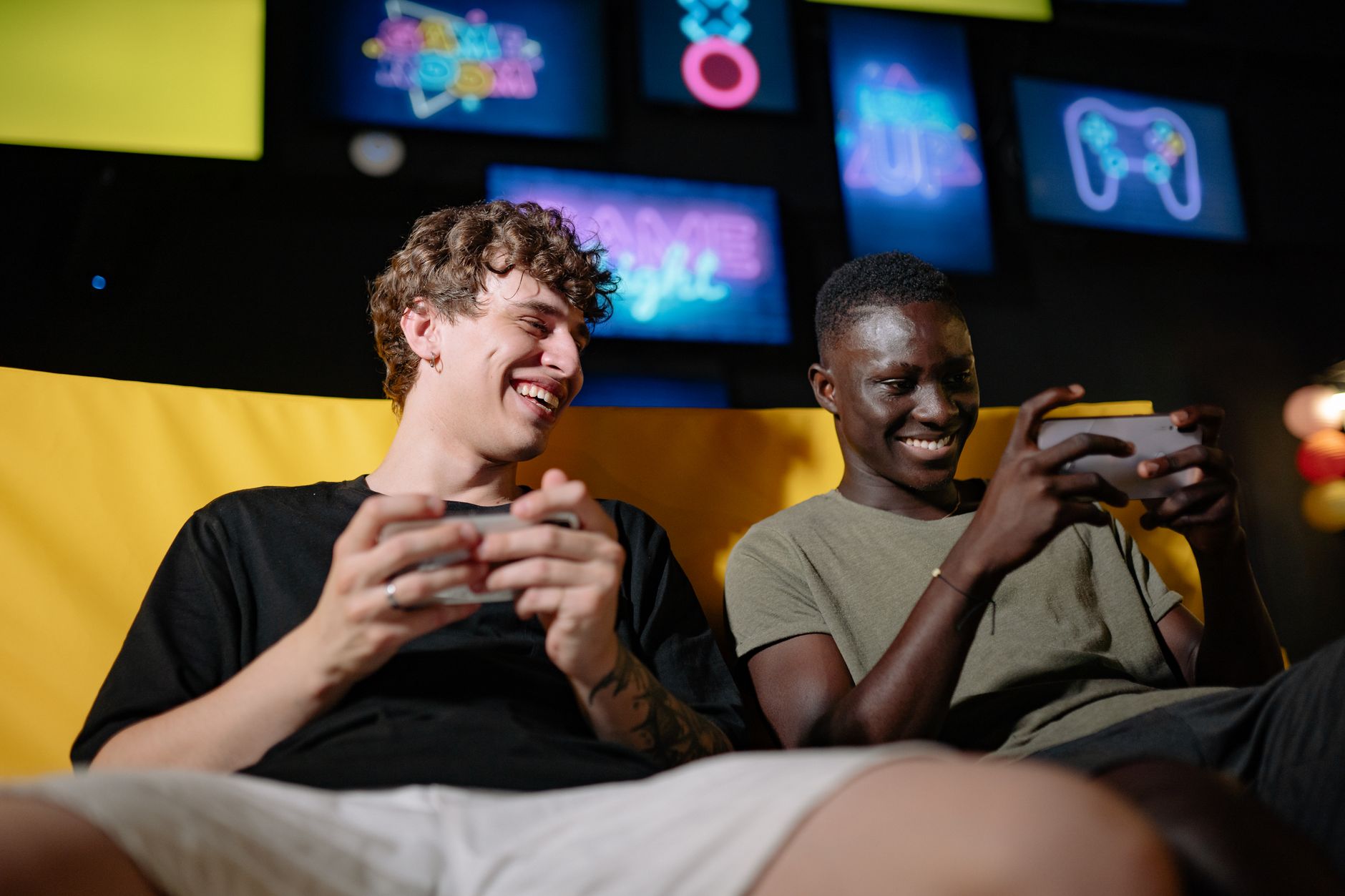
The mobile gaming landscape in 2025 is nothing short of a transformation. What once centered on graphics and convenience now pulses with the energy of technological convergence and creative reinvention. The industry’s most influential names, Epic Games, Niantic, Supercell, Square Enix, Riot Games, Activision Blizzard, Roblox Corporation, Tencent, Unity Technologies, and Zynga, aren’t just surviving new challenges; they are actively reshaping how people interact, learn, and experience entertainment on their devices. Game sessions now blend artificial intelligence, augmented reality, and decentralized economies, responding to players’ emotions and daily lives. At the very edge, the cloud blurs platforms, letting AAA titles hum on basic phones, while new global markets and brand collaborations keep a growing audience constantly engaged. As these trends catalyze spectacular innovations, several standout apps and studios are charting where mobile gaming goes next, inviting everyone to the frontier.
Key Trends Shaping the Future of Mobile Gaming Apps in 2025
Across the app marketplace, seismic changes are redrawing the playbook for hit mobile games. Rather than a single dominant force, progress comes from intersecting breakthroughs, technological, creative, and economic.
- AI-powered gameplay offers adaptive narratives and emotional response systems that learn from players.
- Cloud gaming platforms eliminate hardware bottlenecks, making AAA titles and seamless cross-device play accessible everywhere.
- Augmented reality experiences blur the lines between real and virtual, led by pioneers like Niantic.
- Blockchain integration introduces genuine asset ownership and new player-driven economies.
- Hybrid-casual genres combine accessibility with surprising depth, creating lasting engagement.
- Mental wellness gaming leverages interactive design for meaningful, therapeutic play.
- Global markets like Turkey and Vietnam emerge as creative powerhouses, expanding the industry’s reach.
Apps Leading the Charge in AI-Powered and Personalised Experiences
Artificial intelligence in mobile gaming has moved from basic bots to becoming the unseen architect of customized adventure. Unity Technologies fuels this trend by integrating machine learning models that watch how gamers play, then dial up the challenge or introduce new story threads based on real-time feedback. Supercell has woven AI into matchmaking and in-game event generation, ensuring every arena battle feels fresh.
- Unity’s Unity ML-Agents are now standard for dynamic NPCs and personalized in-game assistants.
- Supercell’s Clash Royale dynamically adjusts progression paths to match play intensity and emotional state.
- Riot Games deepens player engagement by adapting story arcs and team-ups with AI-generated dialogue.
This personalization means each gameplay moment is more meaningful, and keeps users engaged longer.
Cloud Gaming and Cross-Platform Play: Enabling Next-Gen Mobile Experiences
What was once limited to consoles or PCs is now available in your palm, thanks to cloud gaming. Tencent and Activision Blizzard rely on remote servers to stream high-fidelity experiences to even low-end devices. The dream of platform-agnostic gaming is here, and it’s growing fast.
- Microsoft’s Xbox Cloud Gaming brings shooters and story-driven epics to Android and iOS alike.
- Nvidia’s GeForce NOW syncs progress across mobile, desktop, and smart TVs.
- Tencent’s cloud platform is now a major portal for multiplayer action in Asia and beyond.
All of this erodes the old distinctions of hardware generations, quality, speed, and social features flow across devices, powered by the cloud.
AR & Blockchain: New Frontiers for Interactive Mobile Worlds
Niantic broke open the AR frontier with Pokémon GO, and the studio continues to drive innovation, turning neighborhoods into interactive playgrounds. AR gaming’s real magic is its blending of physical movement and narrative, making the everyday world part of the quest.
- Niantic’s Peridot layers animated companions onto daily life, reading location and context in real time.
- Square Enix designs AR RPGs where battles play out on city streets using ARKit and ARCore.
- Blockchain gaming from Roblox Corporation rewards players with NFTs and supports player-driven markets inside mobile universes.
As player communities demand ownership and control, these new platforms promise fairer exchanges and rewards, for both casual fans and power users.
Casual to Hybrid-Casual: The Evolving Heart of Mobile Gaming
The notion of “time-killing” gameplay is vanishing. Today’s chart-toppers, from Zynga’s social simulators to hybrid-casual hits from Epic Games, blend strategic depth and intuitive design for deeper engagement. This approach claims the loyalty of a broad demographic.
- Zynga’s Word Series introduces evolving daily challenges and thematic events.
- Epic Games’ Fall Guys Mobile fuses party game accessibility with ongoing LiveOps updates.
- Supercell’s Brawl Stars balances quick matches with rich progression and customization systems.
This evolution makes mobile gaming the activity of choice on commutes, breaks, or downtime, while still rewarding investment and mastery.
Brand Collaborations and the Power of International IPs
2025 has brought an upsurge in high-profile collaborations between global brands and mobile game studios. Riot Games collaborates with major franchises, bringing familiar characters into the hands of millions, while Monopoly GO! by Scopely, built on Hasbro’s classic, integrates seasonal Marvel and Star Wars content, fueling meteoric engagement and revenue.
- Riot Games x Star Wars: Custom holiday-themed events, exclusive skins, and narrative crossovers.
- Monopoly GO! x Marvel: Limited-edition boards and character tokens boost in-app engagement.
- Square Enix integrates anime series into mobile adventures, expanding narratives for a global audience.
These brand alliances are much more than marketing stunts, they translate into higher retention rates and more frequent in-game purchases among loyal fans.
Global Expansion: New Markets and the Democratization of Success
The frontiers of mobile gaming are expanding rapidly. Studios in Turkey are rivalling Western heavyweights, while Vietnam’s youthful population and climbing smartphone ownership drive intense local demand. Zynga and Roblox Corporation both look eastward, adapting their hits for these surging audiences.
- Dream Games from Turkey is now valued at $5B, a testament to the region’s creative energy.
- Vietnam Mobile E-sports: A burgeoning scene that draws hundreds of thousands to local tournaments.
- Tencent ramps up localization, adapting content to diverse cultural tastes and play habits.
Success is no longer gated by geography or legacy. These emerging powerhouses are proving that the next phenoms can, and will, arise from anywhere.
Mental Wellness, Ethics, and the Changing Responsibility of Game Studios
Leading companies like Unity Technologies and Supercell recognize their impact on mental well-being and society. New apps focus on mindfulness, tracking mood, prompting healthy breaks, even gamifying CBT (Cognitive Behavioral Therapy). Ethical innovation is meeting the industry’s new responsibilities head-on.
- Unity-powered meditation games that shift challenges in response to stress readings.
- Supercell’s design guidelines that promote positive play and diverse storytelling.
- Activision Blizzard incorporates carbon-neutral production and transparent monetization languages in their latest updates.
This attention to wellness and ethics is inspiring stronger trust and forging deeper bonds between studios and players, shaping the way forward for all.