


Google Slams Apple: Calls Out Siri’s ‘Embarrassing Delays’ as Pixel 10 Promises to Outshine
 By
Declan Moriarty
By
Declan Moriarty
| IN A NUTSHELL |
|
Google has ignited a new chapter in the tech rivalry with Apple by unveiling a teaser for its upcoming Pixel 10 smartphone. The advertisement, lasting a brisk 30 seconds, subtly critiques Apple’s delay in launching the AI-powered Siri updates. As Google encourages consumers to “Ask more of your phone,” it positions its Pixel 10 as a beacon of innovation in a landscape where expectations are constantly evolving. This teaser not only showcases the phone’s sleek design but also sets the stage for a broader conversation about technological advancement and consumer expectations.
Google’s Strategic Tease
The teaser for the Google Pixel 10 takes a calculated approach to market positioning. By focusing on the theme of ‘asking more of your phone,’ Google is setting a clear expectation for what consumers should demand from their devices. This message is delivered through a clever narrative that highlights the frustration of waiting for promised features that never seem to materialize. The choice of music, an instrumental version of Dr. Dre’s “The Next Episode,” further underscores Google’s confidence and forward-thinking approach.
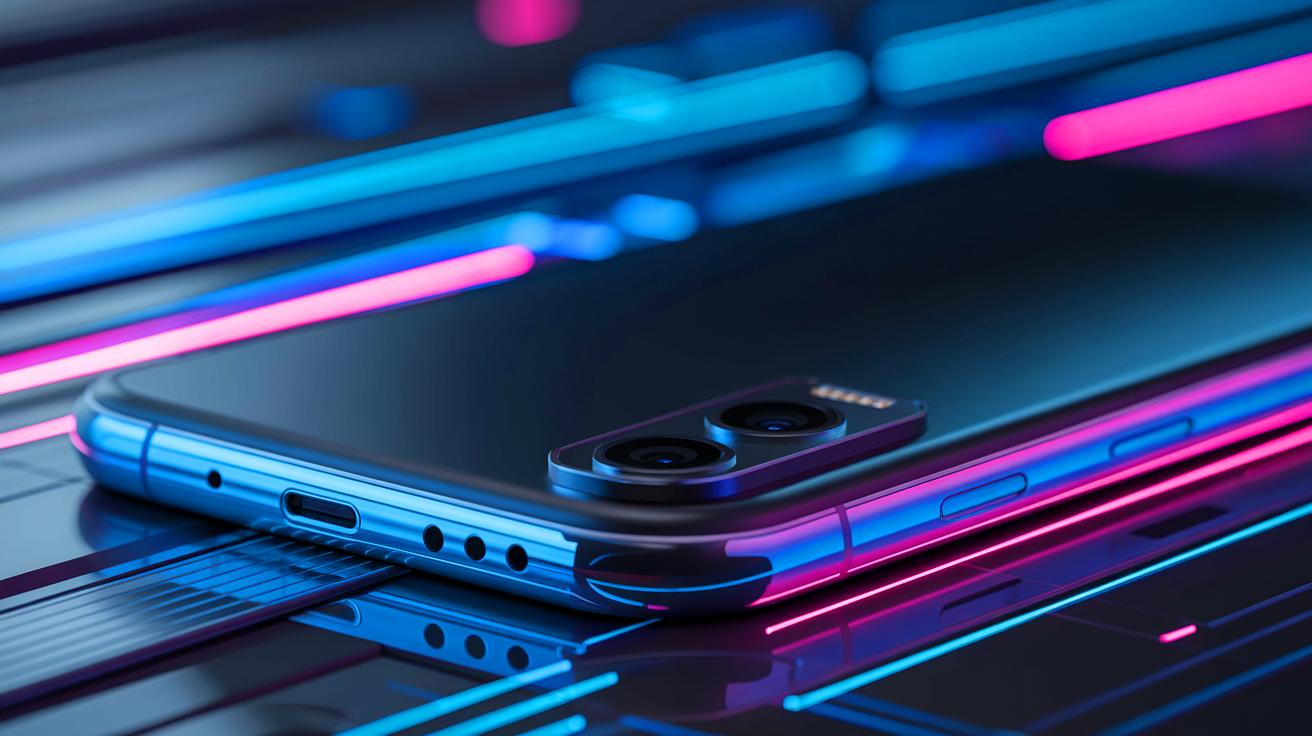
In showcasing the Pixel 10, Google has opted to maintain the ‘camera bar’ design, a feature that has been divisive among users. Nevertheless, it is a bold statement of consistency and identity. The teaser provides glimpses of the phone’s left and right sides, along with a nearly full view of the rear, indicating that while some design elements remain unchanged, the focus is squarely on performance and functionality.
“Ask more of your phone,” Google’s teaser boldly declares, challenging the status quo and prompting consumers to reassess their device expectations.
Apple’s Delays and Consumer Expectations
Apple’s announcement of its AI features under the Apple Intelligence umbrella in 2024 marked a significant milestone. However, the delay in rolling out the AI-powered Siri has left many consumers feeling disillusioned. Initially expected to be part of the iPhone 16 family, the features were later postponed, with a new release date set for 2026. This prolonged delay has opened the door for competitors like Google to capitalize on the opportunity and highlight their advancements.
Apple’s transparency regarding the delay, as communicated by executives like Craig Federighi and Tim Cook, has helped manage expectations to some extent. However, the extended wait for these features raises questions about the challenges faced in integrating complex AI capabilities. For consumers eagerly anticipating these advancements, the delay is a reminder of the unpredictable nature of technological innovation.
Apple’s delay in delivering AI-powered Siri features has created a vacuum that rivals are eager to fill.
The Competitive Landscape
As Google prepares to unveil the Pixel 10 and other devices on August 20, 2025, the competitive landscape is more dynamic than ever. With Samsung recently launching its Galaxy Z Fold 7 and Galaxy Z Flip 7, the pressure is on for Google to deliver compelling reasons for consumers to choose Pixel. The leaked pricing suggests that Google may maintain its pricing strategy, a move that could appeal to budget-conscious consumers.
The Pixel 10 is expected to feature a new silicon Tensor processor, promising enhanced AI capabilities. This aligns with Google’s strategic focus on AI integration, which has been a key differentiator in its product lineup. With the Pixel 9 family already boasting advanced AI software, the Pixel 10 is poised to build on this foundation and offer even more sophisticated functionalities.
The upcoming launch of the Pixel 10 positions Google to challenge market leaders and redefine consumer expectations.
Anticipation and Innovation
In the weeks leading up to the Pixel 10’s official launch, anticipation is building. Google has cleverly used teasers to stoke excitement and curiosity, hinting at the potential features and improvements that the new device will bring. The absence of a drastic redesign suggests a focus on refining and enhancing existing features, rather than reinventing the wheel.
With advancements in AI and a commitment to delivering on promises, Google is setting a new standard for innovation. The question remains: how will consumers respond to these developments, and will Google’s strategy pay off in a market increasingly driven by innovation and consumer demand?
As the tech world eagerly awaits Google’s upcoming event, the conversation around innovation and consumer expectations continues to evolve. How will these advancements shape the future of technology, and what will the next chapter in the Google-Apple rivalry bring?