


What makes a great photo editing app in 2025?
 By
Naomi Adeyemi
By
Naomi Adeyemi
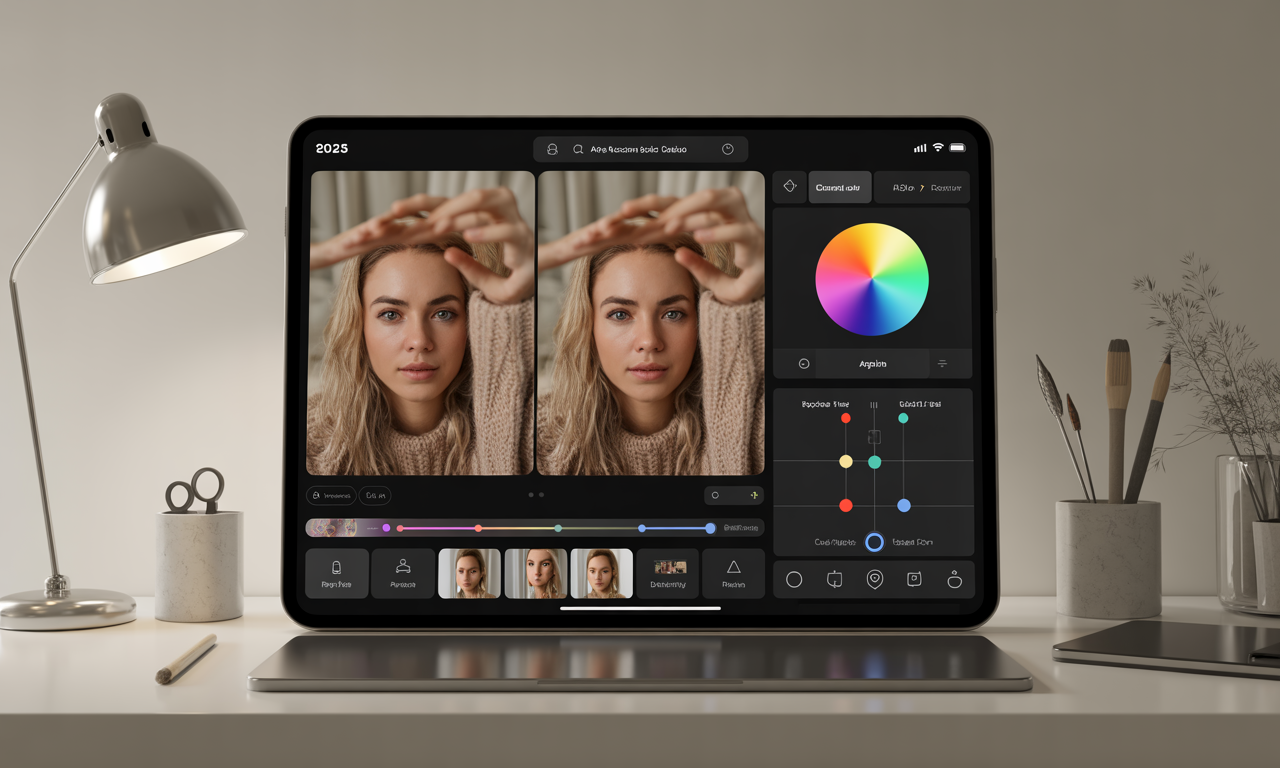
Photography in 2025 is no longer just the domain of professionals and hobbyists with expensive cameras. Today, storytellers and creators at every level rely on powerful editing tools to elevate their images, whether for social feeds, brand campaigns, or personal memories. The market is crowded: from mobile newcomers promising effortless fixes to established platforms revolutionized by AI, there’s a tool for every editing style. Yet, the question isn’t simply about which app is trending: the heart of the matter is what separates a good photo editor from a truly great one. Drawing on firsthand experience, real-world images, and critical analysis, this guide uncovers the definitive traits of the very best, with a spotlight on the standouts that have changed the way we all approach imagery in 2025.
Key Features of the Best Photo Editing Apps in 2025
It’s easy to be dazzled by marketing: one-click wonders, AI-fueled promises, subscriptions waving “professional results.” But scratch beneath the surface, and clear priorities emerge for anyone who regularly edits their photos. In a landscape where Adobe, Canva, and emerging stars like Luminar vie for attention, these apps share critical ingredients that set them apart.
- AI-Powered Tools: Apps that offer intelligent features, such as automatic sky replacement or subject selection, save users hours of tedious work. In this space, Adobe (with Sensei) and Luminar Neo’s Sky AI shine.
- Versatility: Whether editing a wedding shoot on Affinity Photo or tweaking Instagram shots in Snapseed, great apps provide everything from detailed manual controls to smart presets.
- Accessibility: Browser-based platforms like Photopea and Pixlr cater to everyone, regardless of device or budget, making powerful editing tools as easy as opening a tab.
- Cloud Sync and Collaboration: Syncing edits across devices, as in Lightroom, or quickly sharing projects with clients through platforms like Canva, has become almost expected.
- Intuitive Interface: As the field crowds with free-to-use apps like Fotor or Polarr, only those with seamless UI and responsive design keep users coming back.
Smarter, Not Harder: The Rise of Automation and AI
Long gone are the days when editing meant endless slider adjustments and trial-and-error fixes. Now, AI does much of the heavy lifting. Tap a button, and Fotor’s One-Tap Enhancer refines color in seconds. Luminar Neo’s Relight AI brings cinematic drama with minimal effort. Even mobile-first editors like Snapseed (now boasting AI Portrait Tools) elevate portraits instantly. The result? More time spent creating, less time correcting.
- Sky AI in Luminar can replace overcast backgrounds instantly.
- Photoshop’s Neural Filters automate complex retouching.
- Photopea enables advanced object removal directly in the browser.
Evaluating the 2025 Standouts: Hands-on with Leading Apps
Once, the debate was desktop versus mobile. Now, powerful editing is everywhere, from professional-grade Photoshop suites to nimble, browser-based alternatives. Every app included here has been tested with real images, and their strengths (and quirks) become obvious when used side-by-side.
- Adobe Photoshop: Incomparable in depth, now offering streamlined mobile workflows, enhanced AI, and precision control.
- Luminar Neo: Fun, fresh, and intuitive. The cinematic filters and automated edits breathe new life into creative work.
- Snapseed: Minimalist, free, and remarkably powerful for those starting out or editing on the go.
- Affinity Photo: A pro’s paradise, with lifetime updates and GPU-accelerated performance, no subscription needed.
- Photopea: Photoshop-like power online, supporting PSD and Sketch files without breaking the bank.
- Canva: Merges design and photo editing, ideal for creators wanting rapid results and easy sharing.
- Fotor: Lively filters, fast auto fixes, and instant sharing, perfect for casual editors and speed-focused users.
- Corel PaintShop Pro: Reliable and robust, well-suited to seasoned editors who want familiar tools with modern upgrades.
- Polarr: Customizable presets and multi-platform support appeal to style-driven artists and influencers.
Real-World Editing: Which App for Which User?
Matching the right tool to the task remains key. Pros editing high-volume shoots gravitate to Photoshop or Affinity Photo, valuing granular control. On the move, Snapseed and Fotor ensure rapid, publish-ready results. Canva and PixArt prove indispensable for content creators needing design elements alongside photo tweaks. Even classroom projects and experiments benefit from free, browser-based solutions like Photopea and Pixlr.
- Professional photographers editing RAW: Affinity Photo, Photoshop
- Social-first users: Canva, PicsArt, Fotor
- Mobile quick edits: Snapseed, Polarr
- Students/experimental creators: Photopea, Pixlr
What Sets a Photo Editing App Apart in 2025?
A story unfolds not just in pixels, but in how images are shaped and shared. The best apps don’t simply pack in features, they empower creativity, speed up workflows, and lower the barriers for storytellers everywhere. Whether powered by Adobe’s legendary algorithms, Luminar’s playful AI, or Canva’s design-driven workflow, the gold standard in 2025 revolves around intuitive innovation and the freedom to work anywhere, anyhow.
- Seamless device syncing is now table stakes, with Lightroom and Corel PaintShop Pro mastering the art.
- User-friendly AI means more time shooting, less time editing.
- Affordability, from lifetime licenses (Affinity) to completely free options (Snapseed).
- Collaboration tools allow teams to build visual stories together, whether in Canva or directly via cloud-enabled apps.
Looking Ahead: The Next Wave of Photo Editing
Software will continue to blend AI, mobility, and collaboration. What separates the contenders from the greats? It’s not just who has the flashiest tech, but who makes creative storytelling effortless, accessible, and a little bit fun.
- Expect even faster, smarter automation from leaders like Luminar and Adobe.
- Cloud-based, no-download workflows will dominate for everyone from casual users to pros.
- Distinctive filters and effects, seen in PicsArt and Polarr, will drive personal visual identities.
- Hybrid platforms will rule, where design and editing meet seamlessly.