


Honda’s “Tiny EV That Can Power Your Home” Sparks Outrage: Is This the End of Traditional American Cars
 By
Declan Moriarty
By
Declan Moriarty
| IN A NUTSHELL |
|
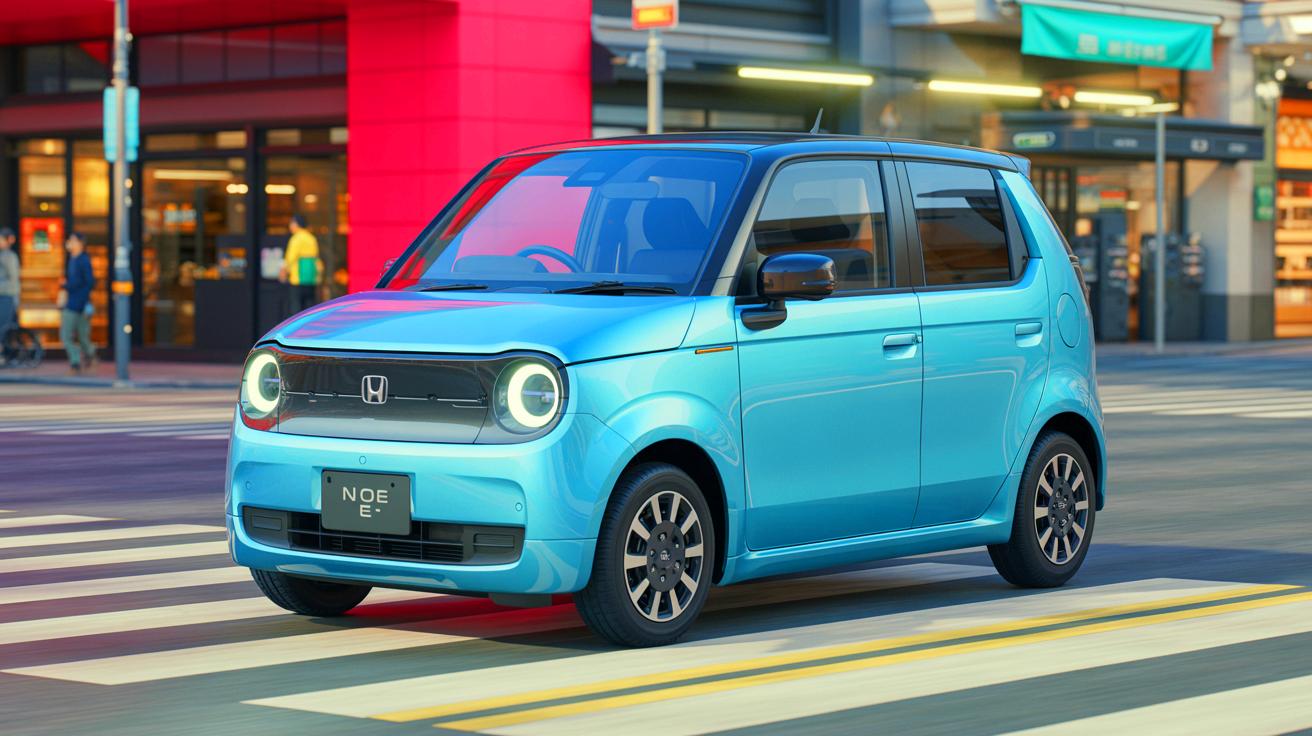
Honda has unveiled its latest electric vehicle, the N-One e:, in Japan, signaling a pivotal moment for compact cars worldwide. This tiny, boxy vehicle, which recently garnered attention at the Goodwood Festival of Speed, is designed to meet the needs of urban drivers. With a length of just under 134 inches, it complies with Japan’s Kei Car regulations. The N-One e: promises over 150 miles of range and introduces the Vehicle 2 Load (V2L) feature, enabling it to power home appliances during outages. As Honda aims to expand its electric vehicle lineup globally, the N-One e: represents a blend of practicality and innovation.
Redefining Compact Electric Vehicles
Honda’s N-One e: is making waves in the automotive industry by challenging the traditional notions of what a compact car can achieve. With dimensions that adhere to Japan’s Kei Car standards, this vehicle is tailored for urban environments, offering a nimble and efficient solution for city dwellers. The N-One e: is expected to deliver over 150 miles on a single charge, making it a practical option for daily commutes and short trips.
The car’s design focuses on maximizing interior space while maintaining a compact exterior. Features like foldable rear seats and durable fabrics highlight Honda’s commitment to practicality. The inclusion of smartphone charging points and other modern conveniences ensures that the N-One e: meets the demands of today’s tech-savvy consumers. The V2L capability stands out as a significant innovation, allowing the car to function as a power source during emergencies.
Global Implications and Market Expansion
While the N-One e: is currently aimed at the Japanese market, its impact could extend far beyond. Honda has indicated plans to introduce a small city EV to Europe and other regions, reflecting a shift towards more sustainable urban transportation solutions. The potential for a global rollout of the N-One e: highlights the increasing demand for compact, efficient electric vehicles.
The European version of the N-One e: may feature design adjustments to accommodate different market preferences, such as a more robust exterior to compete with larger vehicles. Nevertheless, the core features that make the N-One e: appealing are expected to remain intact. This move aligns with Honda’s broader strategy to expand its electric vehicle offerings and compete with established players in the EV market.
Technological Innovations and Engineering Excellence
Honda’s engineering prowess is evident in the N-One e:, as the company continues to push the boundaries of EV technology. The vehicle’s single electric motor, producing around 63 horsepower, is optimized for city driving. Advances in battery technology have also played a critical role in enhancing the vehicle’s range and overall performance.
The N-One e: serves as a testament to Honda’s dedication to engineering excellence and innovation. The car’s ability to provide one-pedal driving, coupled with its V2L feature, showcases Honda’s commitment to integrating cutting-edge technology into everyday vehicles. As battery technology evolves, we can expect further improvements in range and efficiency, paving the way for more competitive pricing against traditional gas-powered vehicles.
Looking Ahead: The Future of Compact EVs
The N-One e: is part of Honda’s broader vision to create a diverse lineup of electric vehicles that cater to various consumer needs. As the company explores new markets and technologies, the focus remains on delivering reliable, affordable, and environmentally friendly transportation options. Honda’s recent ventures into electric motorbikes and scooters further emphasize its commitment to a sustainable future.
With the global automotive industry shifting towards electrification, Honda’s strategic moves could position it as a leader in compact EVs. The company’s approach to balancing innovation with practicality is likely to resonate with consumers seeking efficient urban transportation solutions. As the N-One e: debuts on the global stage, it raises important questions about the future of mobility and the role of compact EVs in urban settings.
As Honda prepares to launch the N-One e: on a global scale, the automotive world is watching closely. Will this tiny electric vehicle be the catalyst for a new era of urban transportation, or will it face challenges in gaining widespread acceptance? The answers to these questions could shape the future of the compact EV market and influence how cities adapt to the growing demand for sustainable mobility solutions.