


Innovative wearables that are changing our lives
 By
Rhys Llewellyn
By
Rhys Llewellyn
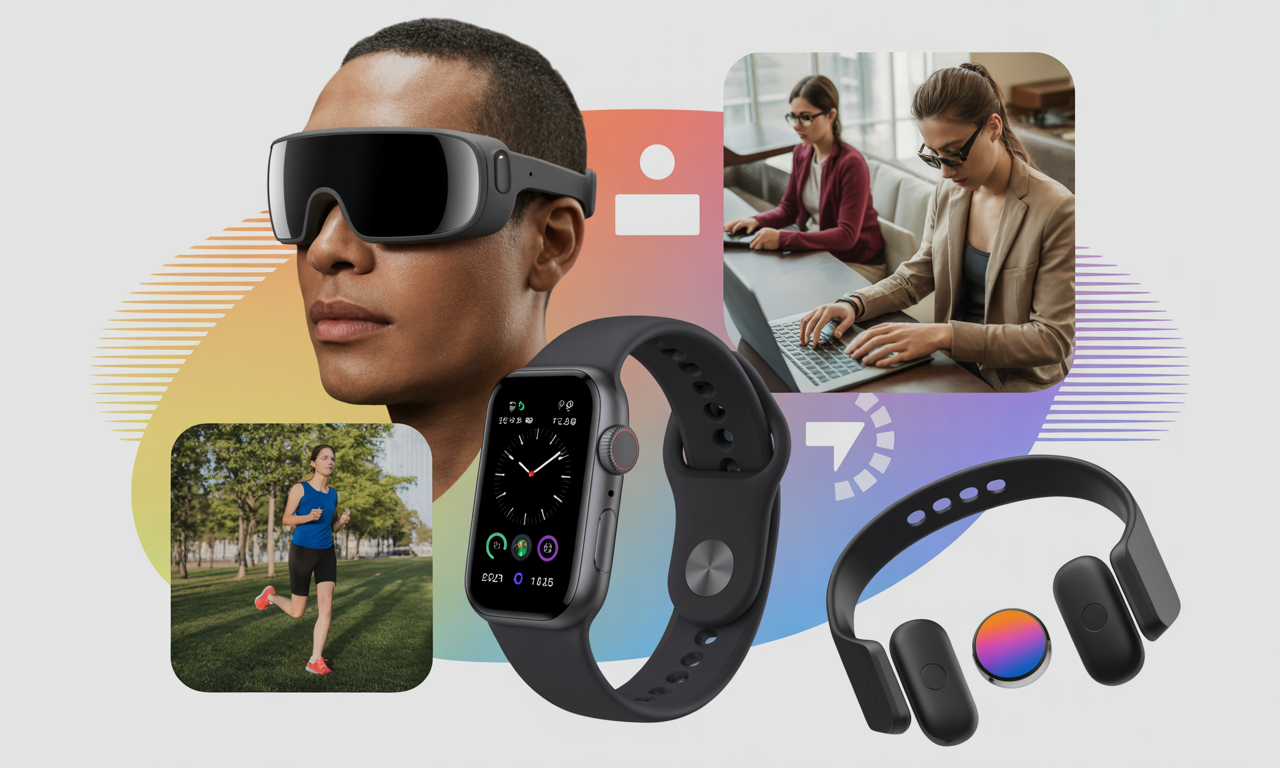
From discreet rings monitoring health to vibrant smart clothing seamlessly woven with sensors, wearables are rapidly reframing the boundaries between technology and daily existence. A nurse starts her shift, confident her Apple Watch will instantly flag a sudden drop in blood oxygen. Across the city, a remote worker consults Fitbit insights before integrating mindfulness into her morning. Children run in parks, their Garmin trackers nudging parents’ smartphones if unexpected heart rate spikes occur. These vignettes only hint at the pervasive influence of wearables, now vital not only for fitness buffs but anyone seeking a richer, safer, and smarter way to live. As 2025 dawns, innovative wearables are not futuristic accessories: they’re practical partners in health, productivity, and even entertainment, shaping what it means to be connected and well.
How Innovative Wearables Are Transforming Everyday Health
For millions, managing health no longer means occasional doctor visits and vague advice. Wearable technologies collect an array of vital data, heart rate, blood pressure, sleep, and even stress, offering accurate, real-time feedback and prompting crucial lifestyle changes before issues escalate. Early wearables, like simple pedometers, have given way to smart, multifunctional companions.
- Apple and Fitbit devices offer continuous heart rate and activity monitoring, helping spot fluctuations linked to chronic conditions.
- The Dexcom G6 provides life-changing glucose monitoring for diabetics, discreet, continuous, and efficient.
- The Oura Ring has become a subtle but powerful tool for sleep, menstrual, and body temperature tracking.
- Advanced smart clothing from brands like Samsung and Xiaomi incorporate woven sensors, invisibly tracking parameters like posture and muscle fatigue.
- Whoop revolutionizes athletic recovery, while Garmin and Fossil anchor their popularity in personalized health insights and durability.
This data-driven shift fosters new health habits. Imagine a runner whose Nokia fitness tracker not only logs her route but also offers stress reduction feedback long after the workout. These patterns empower people to prevent, rather than merely react to, health challenges.
Wearables Enabling Early Detection and Intervention
The magic of modern wearables lies in early warnings. Devices detect deviations in heart rhythm, flag skin anomalies, and analyze sleep for disorders like sleep apnea, frequently before symptoms arise. The Apple Watch’s fall detection and ECG have even resulted in real-life stories of lives saved, where quick intervention was made possible due to an instant notification. Proactive health is becoming not just feasible, but routine for users across age groups.
- Continuous ECG and SpO2 monitoring via Fitbit and Oura.
- Real-time alerts for dangerous dips or spikes in activity, temperature, or physiological responses.
- Integration of wearables with electronic health records for streamlined, customized care.
Wearables that once simply counted steps now become vigilant health guardians, offering peace of mind and practical, daily protection.
Boosting Productivity, Wellbeing, and Daily Motivation
Fitness and health remain major draws, but the impact of wearables spreads far wider. Today’s innovative devices double as productivity hubs and catalysts for positive behavior. Imagine a Mirra user using smart clothing to monitor concentration and posture throughout a long workday, receiving gentle nudges to adjust for better focus and comfort.
- Smartwatches from Samsung and Fossil streamline messages, reminders, and calendars, keeping daily routines organized.
- Focus-enhancing reminders through haptics, vibrations prompt healthy breaks and stress relief.
- Whoop bands provide feedback on readiness and recovery, helping balance work and training for peak productivity.
- Fitness trackers like Garmin and Xiaomi reward progress with challenges and badges, gamifying motivation across demographics.
More than gadgets, these devices are now personal coaches, collaborators, and subtle motivators, keeping users accountable to their goals.
Entertainment, Fashion, and Everyday Integration
Beyond health and organization, wearables are finding their voice in entertainment and style. The lines between fashion and smart functionality blur as smart clothing and accessories grow increasingly sophisticated, and undeniably stylish. Fossil and Nokia effortlessly blend classic watch aesthetics with state-of-the-art tracking, while Oura and Whoop rings offer minimalist allure for the tech-savvy.
- Vivid smart jackets with touch controls, powered by Samsung and Xiaomi.
- Augmented reality glasses transforming urban exploration and social interactions.
- Wearables syncing effortlessly with home entertainment, allowing users to control music or smart lights from their wrist.
This seamless integration ensures that technology not only empowers but also enhances self-expression and connection, changing how we interact with both our devices and ourselves.
The Road Ahead: Challenges, Solutions, and the Next Generation of Wearable Technology
Amid all the promise, wearables face hurdles. Accuracy and reliability demand continuous innovation in sensor technology, as does the expectation for battery life and device comfort. Concerns around data security and user privacy grow as devices harvest increasingly personal information. For every sleek new Apple Watch or Fitbit, questions of cost and accessibility quietly linger.
- Manufacturers like Nokia and Garmin investing in robust encryption and user control over data.
- Efforts to broaden accessibility through more affordable models from Xiaomi and partnerships with public health entities.
- Focus on miniaturization: devices so light and seamless that users forget they’re even present, yet remain protected and empowered.
- Integrations between wearables and smart environments, IoT homes, workplaces, and even city infrastructure.
What began as accessories is evolving into a deeply woven tapestry linking personal well-being, work, and play. As wearable technologies progress, they beckon a future where technology and humanity move in step, true partners in the daily dance of life.