


“Intel CEO Lip-Bu Tan Just Shattered 20 Years of Silence”: CEO Responds to Trump’s Controversial Call for Resignation Amidst Escalating Tensions
 By
Declan Moriarty
By
Declan Moriarty
| IN A NUTSHELL |
|
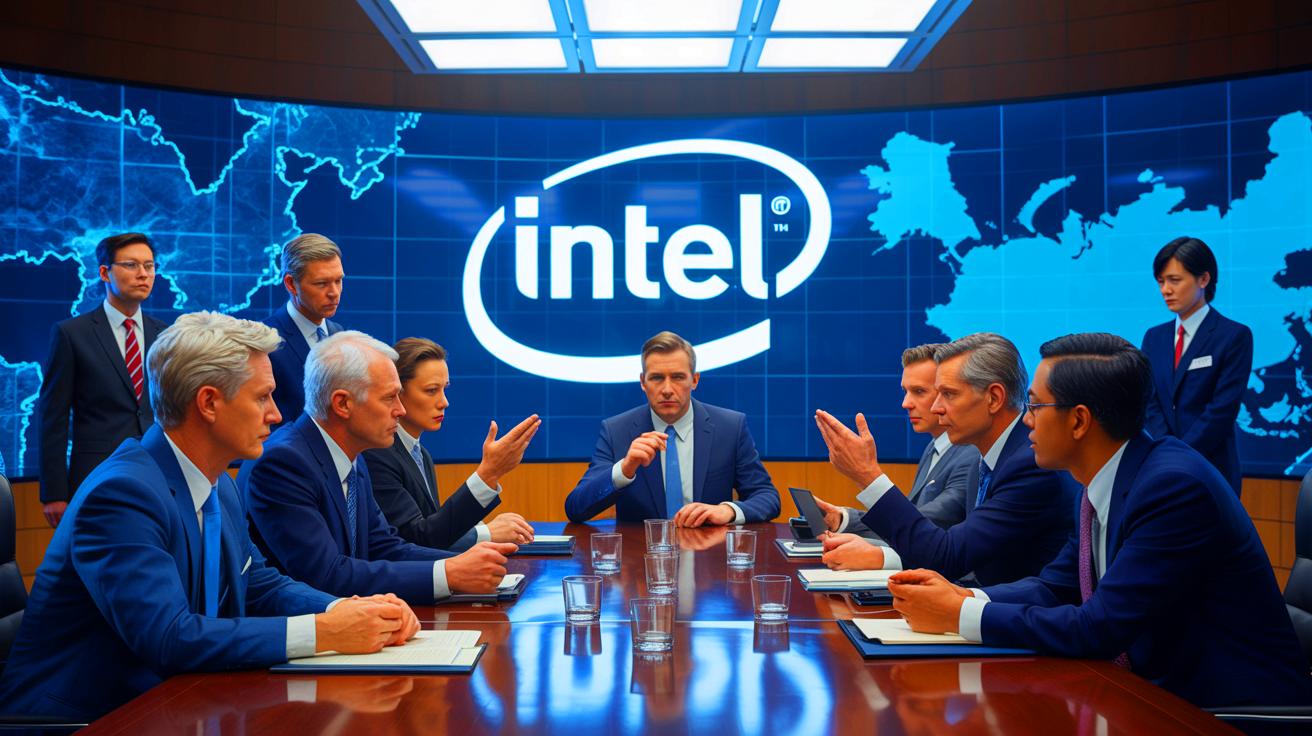
In a political climate charged with controversies, President Donald Trump has taken a bold step by calling for the resignation of Intel CEO Lip-Bu Tan. The President’s demand stems from allegations of Tan’s connections with Chinese firms, raising questions about national security and corporate governance. This situation has thrust Intel into the spotlight, ramping up tensions in an already strained U.S.-China relationship. As the debate unfolds, it highlights the intricate interplay between politics, technology, and global business, posing significant implications for the future of one of America’s most iconic tech giants.
Trump’s Bold Demand: A Presidential Intervention
President Trump’s call for Lip-Bu Tan’s resignation is unprecedented in its directness and intensity. The President has not shied away from using his influence to affect change in corporate America, yet this demand marks a significant escalation. Trump’s allegations center on Tan’s alleged ties to Chinese companies, some reportedly linked to military activities. This has led to increased scrutiny of Tan’s role and relationships within the tech industry.
Republican Senator Tom Cotton has further stoked the flames by writing to Intel’s board, expressing concerns about Tan’s connections. This intervention reflects a broader Republican strategy of addressing perceived security risks associated with foreign business ties. The controversy underscores the complex geopolitics of technology, where corporate leaders often find themselves entangled in international relations.
Intel’s Workforce Woes: A Strategic Shift
Amidst the political turmoil, Intel has been grappling with its own internal challenges. The company recently announced significant workforce reductions, affecting over 20,000 employees, or 20% of its global staff. These layoffs have primarily targeted U.S. factory jobs, contradicting President Trump’s vision of bolstering domestic manufacturing. This move has not only impacted thousands of American workers but has also sparked criticism from various quarters.
Intel’s decision to cut jobs is perceived by some as a necessary strategic shift to remain competitive in a rapidly evolving tech landscape. However, it raises questions about the company’s long-term vision and its commitment to U.S. manufacturing. As Intel navigates these turbulent waters, its actions will have lasting implications for its reputation and operational strategy.
National Security Concerns: The China Connection
The allegations against Lip-Bu Tan primarily revolve around his purported control over various Chinese companies and investments in Chinese tech firms. These ties have raised red flags among U.S. policymakers concerned about national security. The controversy is further fueled by Tan’s previous role at Cadence Design Systems, a company that faced legal issues for exporting technology to Chinese military organizations.
Tan has responded to these allegations by emphasizing his adherence to legal and ethical standards throughout his career. In a statement to Intel staff, he stressed his commitment to integrity and transparency. Nonetheless, the accusations have cast a shadow over his leadership, challenging Intel’s efforts to maintain its standing as a leader in innovation while navigating the complexities of international relations.
The Future of Intel: Navigating Political and Economic Pressures
As Intel faces mounting pressures from both political and economic fronts, the future of the company hangs in the balance. The demands for Tan’s resignation and the ongoing workforce reductions highlight the challenges of operating in a globalized economy. These developments raise important questions about the role of leadership in addressing geopolitical tensions and adapting to market dynamics.
Intel’s ability to innovate and compete globally will depend on its leadership’s capacity to manage these multifaceted challenges. The company’s strategy moving forward will be closely watched by industry analysts, policymakers, and employees alike. As Intel seeks to redefine its path, the broader implications for the tech industry and international business relations remain significant.
In today’s interconnected world, the case of Lip-Bu Tan and Intel serves as a reminder of the intricate ties between politics, technology, and global business. The outcome of this controversy will likely influence future interactions between governments and corporate leaders. As Intel navigates these complex waters, one key question remains: how will the tech giant balance the demands of national security with its need for global collaboration and innovation?