


Why you should invest in smart home technology today
 By
Rhys Llewellyn
By
Rhys Llewellyn
Twilight settles on a quiet neighborhood, and inside, subtle transformations unfold: lights shift to a gentle glow as the evening routine begins, curtains sweep closed at a preset hour, and the door locks itself behind the last arrival. This scene, once reserved for science fiction, is now commonplace in homes across the globe, from New York’s brownstones to Amsterdam’s canal houses. In 2025, smart home technology is no longer a distant promise but a daily companion. Devices from Amazon, Google, Apple, and Samsung SmartThings form invisible threads connecting comfort, security, and efficiency. Amid a rapidly changing market, a pressing question arises: does embracing intelligent living really pay off? The answer winds through stories of energy savings, heightened safety, and rising property appeal: each echoing a new era where homes do more than shelter; they anticipate, adapt, and protect. The revolution is not waiting for tomorrow. It’s in the walls, the wiring, and the very air of homes everywhere, reshaping what it means to truly live at home.
Key Benefits of Smart Home Technology Investments in 2025
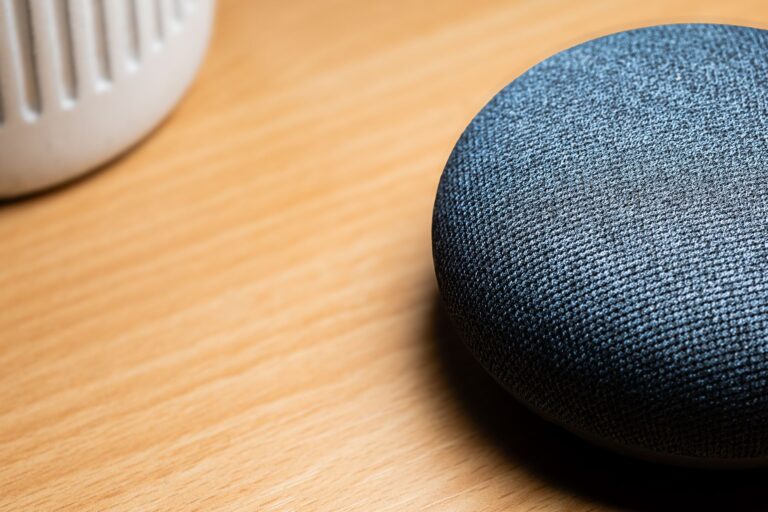
For many, the journey into intelligent living begins with convenience. Imagine returning from a late flight: the porch lights, run by Philips Hue, welcome you, the hallway warms up via a pre-set routine on the Nest thermostat, and a quiet voice from Amazon Alexa reports your next day’s calendar. Life unfolds more smoothly when repetitive tasks disappear, replaced by helpful automations responding in real time.
- Automatic climate adjustments via Ecobee and Nest ensure no more waking up cold or coming home to a stuffy house.
- Smart lighting scenes from systems like Philips Hue or Wyze adapt for productivity or relaxation at a tap or voice command.
- Remote device management, no matter where you are, adds freedom to daily routines.
The backbone of these advantages is meaningful energy efficiency. According to the latest data, heating and cooling often represent half the energy bill. Devices like Nest and Ecobee save users 10, 15% annually on those costs, quietly reducing expenses while leaving your home more comfortable. Meanwhile, smart plugs and LED bulbs shave off additional waste, their lifespan outpacing traditional options several times over. Technology now makes sustainability effortless, letting anyone shrink their footprint without sacrificing modern comfort.
Security and Peace of Mind: The Invisible Shield
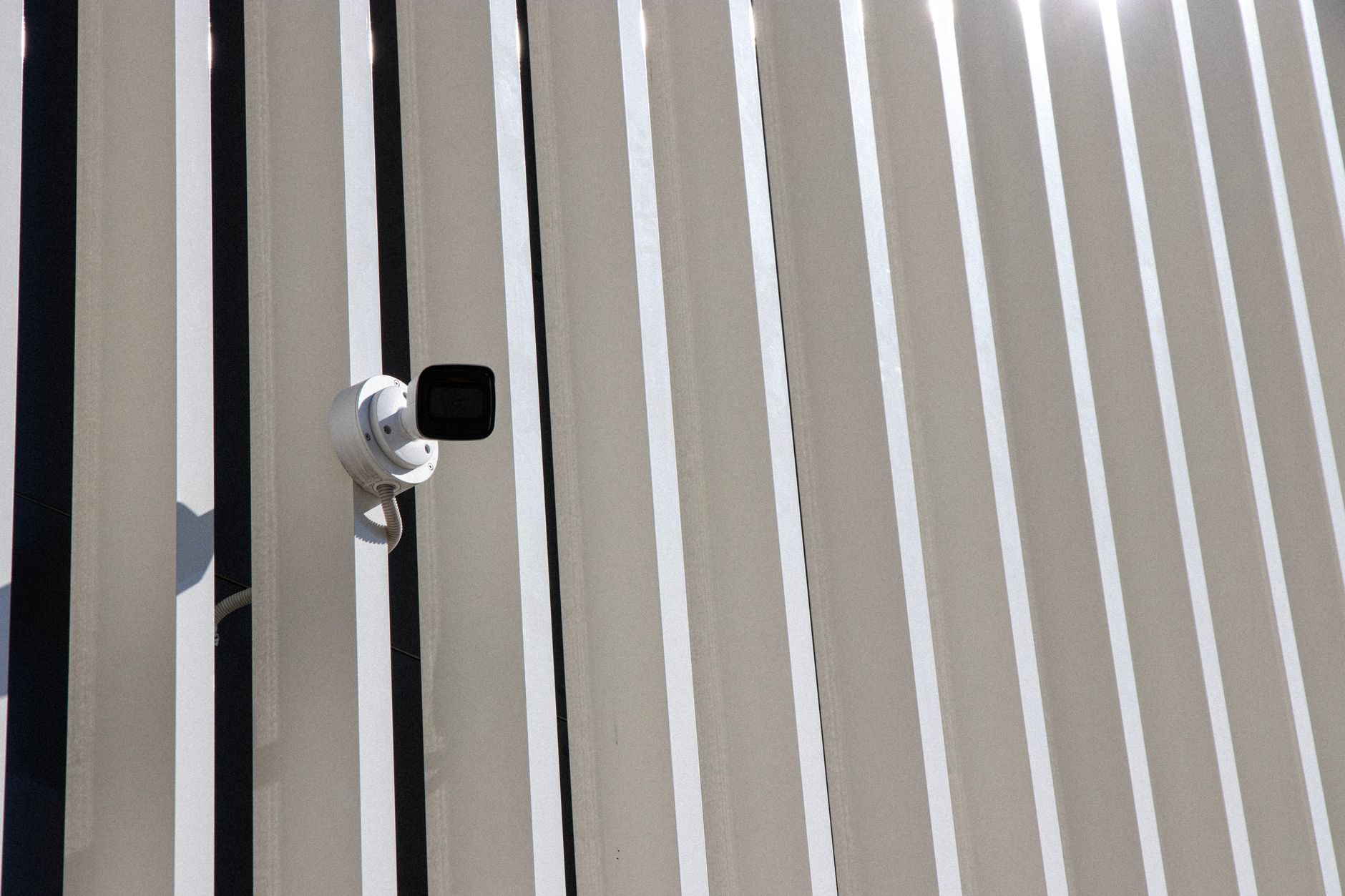
As dusk deepens, smart home technology takes on another vital role, safeguarding what matters most. Devices such as Ring and Wyze video doorbells don’t just deter unwelcome visitors; they open a direct line to your front step, whether you’re vacationing in Bali or grocery shopping five minutes away. Notifications arrive instantly when movement is detected, and cloud storage means you never miss a critical moment.
- 24/7 video monitoring with Ring, Arlo, or Wyze enhances the sense of security for families and travelers alike.
- Smart locks like August offer digital keys, making lost keys and break-in anxiety relics of the past.
- Integration with Apple HomeKit or Google Home for centralized alerts and streamlined emergency responses.
Picture a family that frequently jets between continents for work and leisure. Smart home security lets them keep watch over deliveries, let in maintenance staff via remote unlocking, and ensure everything remained untouched on return, a true guardian in the digital age.
Do Smart Home Features Add Real Value to Your Property?
It’s not just daily life that gets a boost. Today’s buyers view smart homes as a baseline expectation rather than a bonus feature. Recent surveys show that 77% of home seekers prefer homes with integrated smart devices, and features such as advanced security or automated comfort often tip the scales in competitive markets. Millennials, in particular, demonstrate a willingness to pay premiums for connected living spaces.
- Smart thermostats (Nest, Ecobee) attract buyers interested in long-term savings and eco-credentials.
- Video doorbells like Ring ensure day-one protection against theft or package loss.
- Smart locks offer effortless access for rental hosts and traveling owners.
- Voice-controlled assistants (Amazon Alexa, Google Assistant) create seamless, intuitive control over the home environment.
Although appraisers weigh permanent upgrades differently, properties boasting well-chosen smart enhancements often move faster and at stronger prices than outdated competitors. Homes wired for tomorrow’s needs show resilience in uncertain markets, standing out in the eyes of both buyers and renters.
Upfront Costs and What You Get for Your Investment
Yet, the road to a fully connected home requires a thoughtful budget. The most effective upgrades, smart thermostats, strategically placed cameras, networked lighting, often repay their initial outlay over months or a few short years, thanks to energy savings or increased tenant demand. It’s wise, though, to weigh certain choices carefully:
- Smart thermostats: $100, $300 range, but yield 10, 15% energy bill cuts annually.
- Video doorbells: $100, $250 for significant security gains.
- Smart locks: $150, $300, with flexibility and assurance built in.
- High-end appliances (Samsung SmartThings, LG ThinQ): luxury, but not always a strong resale incentive.
Selective investments in essentials often offer the best blend of comfort, value, and future-readiness, proving that a smarter home isn’t just for tech enthusiasts, it’s practical sense for modern families.
Challenges With Compatibility, Privacy, and Integration
A narrative on intelligent living would be incomplete without tackling the hurdles. Not every ecosystem plays nicely together: Nest thermostats, for example, prioritize Google Home integration, while Apple HomeKit users may scout for broader compatibility. The landscape requires attention to detail before committing to a single ecosystem, balancing freedom of choice against reliability.
- Check that devices from Amazon, Google, Apple, Wyze, and Samsung SmartThings align before purchase.
- Use strong passwords and two-factor authentication to protect every connected endpoint.
- Update firmware regularly, as manufacturers patch vulnerabilities over time.
- Secure your Wi-Fi network to shield household data from unwanted access.
The intersection of convenience and caution defines intelligent homes in 2025. When managed strategically, privacy risks remain small, vastly outweighed by the advantages that thoughtful integration brings.
Smart Home Investments for the Next Generation
Looking ahead, homes that learn routines, adapt lighting to moods, and lock up when families forget are no longer futuristic ideals, they’re practical realities, becoming the new standard for every generation of homebuyer. Whether starting with an affordable smart plug or committing to a fully integrated suite from Apple, Google, or Amazon, an investment in smart home technology is a commitment to security, efficiency, and the subtle luxury of a truly connected life.
- Begin with key upgrades, start small and build out with compatible devices.
- Prioritize ROI and long-term comfort, targeting features with proven market and lifestyle benefits.
- Stay informed as technology evolves, updating systems to match changing needs and security demands.
In this era, the smartest move is to invest in a home that grows with its people: safer, more efficient, and fully attuned to the rhythms of modern living.