



The benefits of using mobile apps for health monitoring
 By
Rhys Llewellyn
By
Rhys Llewellyn
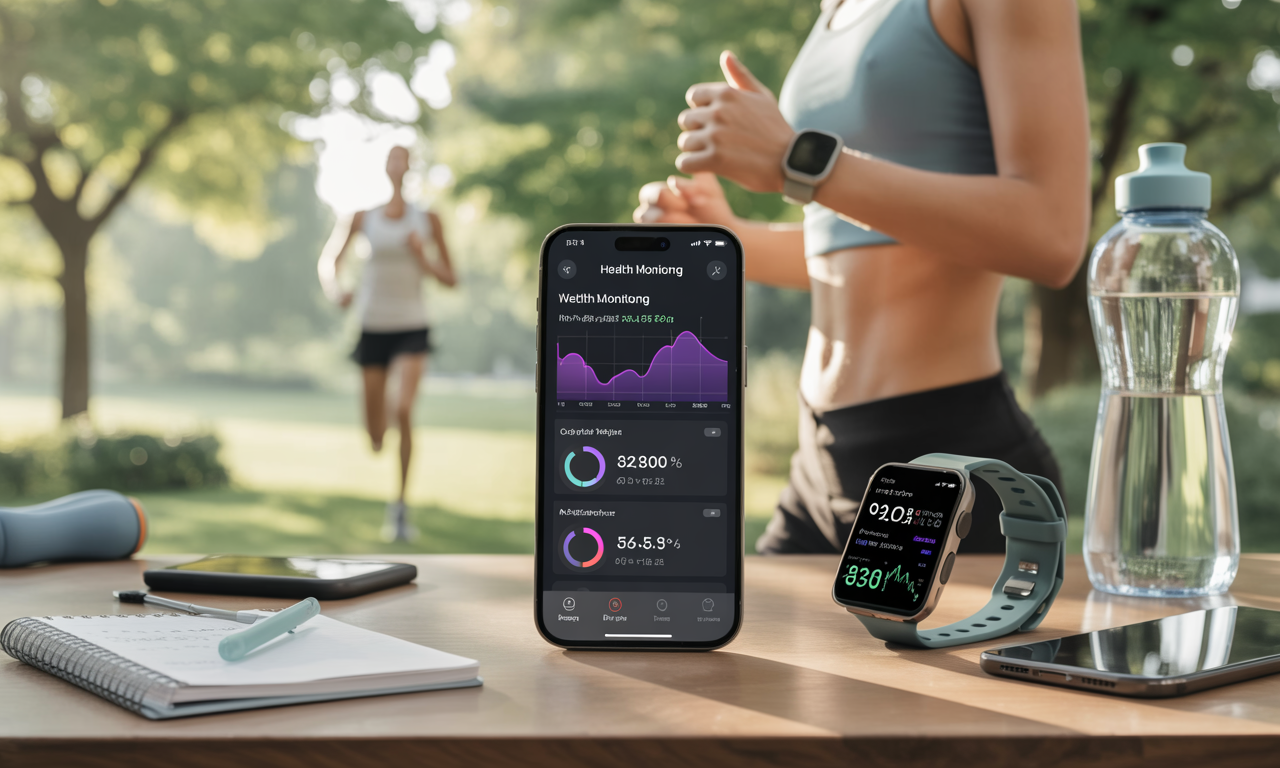
Every day, millions of people glance at their phones not only for the latest news or messages but also for a window into their own well-being. Mobile health apps have quietly transformed the way individuals manage daily health routines, shifting from bulky record-keeping and guesswork to a universe where sleep, nutrition, exercise, and even moments of mindfulness are tracked in real time. The appeal of instant feedback, achievable goals, and personalized recommendations goads even the most passive users into action, sometimes for a few days, sometimes for a lifetime. Yet, behind each successful wellness journey is a complex interplay between app design, individual motivation, and the quest for meaningful results. As the landscape of digital health matures in 2025, this narrative explores both the enduring and emerging benefits of using mobile apps for health monitoring, weaving in real stories, tangible outcomes, and hard-earned insights from both users and developers.
Transforming Everyday Health: The Core Benefits of Mobile Health Monitoring Apps
Mobile apps have become an integral companion in the pursuit of both preventive care and chronic disease management. From tracking steps with Fitbit to harmonizing data across Apple Health, Google Fit, and Samsung Health, these digital tools untangle the complexities of wellness management, making it accessible to all. The most widely adopted health apps, such as MyFitnessPal, Noom, and MapMyRun, offer not just data, but actionable insights, personalized nudges, and even community support that drives sustainable behavior change.
- Immediate access to personal health metrics, from blood pressure to sleep cycles
- Education: Rich resources from platforms like Wellness Coach and Headspace for lifestyle changes and stress reduction
- Streamlined communication with healthcare professionals through apps such as HealthTap
- Preventive care by detecting issues earlier and prompting timely intervention
- Custom goals and progress tracking, keeping users engaged and motivated
The impact is most pronounced in settings where geography and time once formed barriers: rural users gain access to up-to-date health information, busy professionals integrate quick health check-ins, and families track collective fitness achievements with ease. The evolving ecosystem not only democratizes healthcare access but encourages a new level of personal responsibility.
How Seamless App Design Drives Adoption and Long-Term Engagement
Story after story attests to the importance of design. For Emily, a 35-year-old corporate strategist, a cluttered or overly-technical interface spelled instant abandonment, no matter what promising features an app might boast. In contrast, her loyalty to MyFitnessPal stems from its clean, intuitive dashboard and effortless meal logging. This is no coincidence. Research confirms that interface simplicity and logical navigation maximize the chances of ongoing use, outlasting the novelty phase that causes a quarter of users to abandon apps after just one try.
- Simple, ad-light interface reduces user frustration and distraction
- Quick onboarding tutorials or “wizards” help new users experience value faster
- Custom notifications and reminders, adjustable for each user’s preference
- Automatic data collection, steps, sleep, or calories, enables low-effort tracking
For many, the difference between consistency and dropping off comes down to small design choices: timely reminders, personalization, and responsive feedback loops that sustain motivation beyond the initial burst of curiosity. The leading apps in 2025 not only collect information but translate it into daily inspiration and achievement.
From Self-Monitoring to Clinical Integration: Widespread Impacts on Health Outcomes
Once confined to self-driven wellness, mobile health apps now increasingly bridge the gap with formal healthcare systems. The capability to sync with electronic health records (EHR), coupled with the analytics gathered by devices such as Fitbit and Apple Health, means that individuals, and their clinicians, are equipped with a more holistic view of health than ever before. As digital platforms like HealthTap and Wellness Coach facilitate secure patient-provider conversations, the era of reactive medicine tilts toward proactive engagement.
- Regular updates prompt early detection of trends and anomalies (e.g., rising blood pressure or decreased activity)
- Medication reminders and check-ins boost adherence to treatment
- Telemedicine functions streamline remote consultations and follow-ups
- Chronic condition trackers empower patients with diabetes, hypertension, or asthma to adjust daily choices before symptoms escalate
- Community support features break the isolation barrier for individuals managing long-term illnesses
These advancements support a circle of care not possible even five years ago, with healthcare professionals acknowledging marked improvements in patient engagement and significant reductions in both no-show rates and unnecessary admissions.
Practical Benefits: Reducing Costs, Saving Time, and Promoting Health Equity
For patients and providers alike, the savings are not just monetary. Many apps eliminate superfluous appointments, minimize paperwork, and empower users to handle basic concerns from anywhere, dramatically cutting administrative burdens. But the true benefit is time. Every minute not spent in a waiting room can be reinvested into health promotion or quality life moments, shifting energies from bureaucracy toward well-being.
- Lower health expenses by prioritizing preventive care and reducing emergency visits
- Efficient payment integration within apps like Samsung Health simplifies billing and claims
- Data security safeguards instill confidence among users skeptical of digital health sharing
- Support for diverse populations through multilingual interfaces and accessibility features
As digital health solutions continue to mature, the question turns from “Is this possible?” to “How can we maximize these gains for every user?” The most successful platforms invest in continuous refinement, always listening to feedback and adapting to the nuanced needs of users around the globe.
Navigating Challenges: What to Consider When Using Health Monitoring Apps
With innovation comes new challenges. Privacy concerns, data accuracy, and digital access inequities surface as recurrent hurdles. The risk of misinterpretation, particularly if an app’s guidance is not medically vetted, underscores the importance of choosing credible sources, such as Noom, Headspace, or established health systems’ official apps.
- Verify medical oversight: Look for apps with expert input and regular updates
- Understand privacy policies: Know how your data is stored, shared, and protected
- Cross-check recommendations with healthcare providers for changes in medication or major interventions
- Seek platforms committed to accessibility for those with disabilities or limited tech experience
Despite these caveats, the balance tips heavily toward benefit when users stay informed and discriminating. A prudent approach, paired with robust regulation and transparent design, poises mobile health monitoring apps to remain a vital pillar of 21st-century wellness.
Empowering the Individual: The Future of Personal Health through Mobile Apps
The journey of health monitoring apps is, at its heart, a quest to empower individuals and communities. The evolving stories of users who reclaim control of their habits, achieve long-sought goals, or simply feel more in tune with their bodies echo across every age and demographic. With Fitbit guiding steps, MyFitnessPal tracking meals, or Headspace easing daily stress, the threads woven by technology are now inseparable from the fabric of everyday health.
- Personalized nudges and adaptive challenges keep wellness initiatives fresh
- Rich analytics motivate users to reach new heights and celebrate milestones
- Seamless integration with wearables, EHR, and provider networks collapses the gap between data and action
Ultimately, the benefit of using mobile apps for health monitoring extends well beyond numbers on a screen: they become the co-authors of each individual’s wellness narrative, fostering a new era of agency, connection, and resilience.