



The future of mobile gaming: trends to watch in 2025
 By
Rhys Llewellyn
By
Rhys Llewellyn
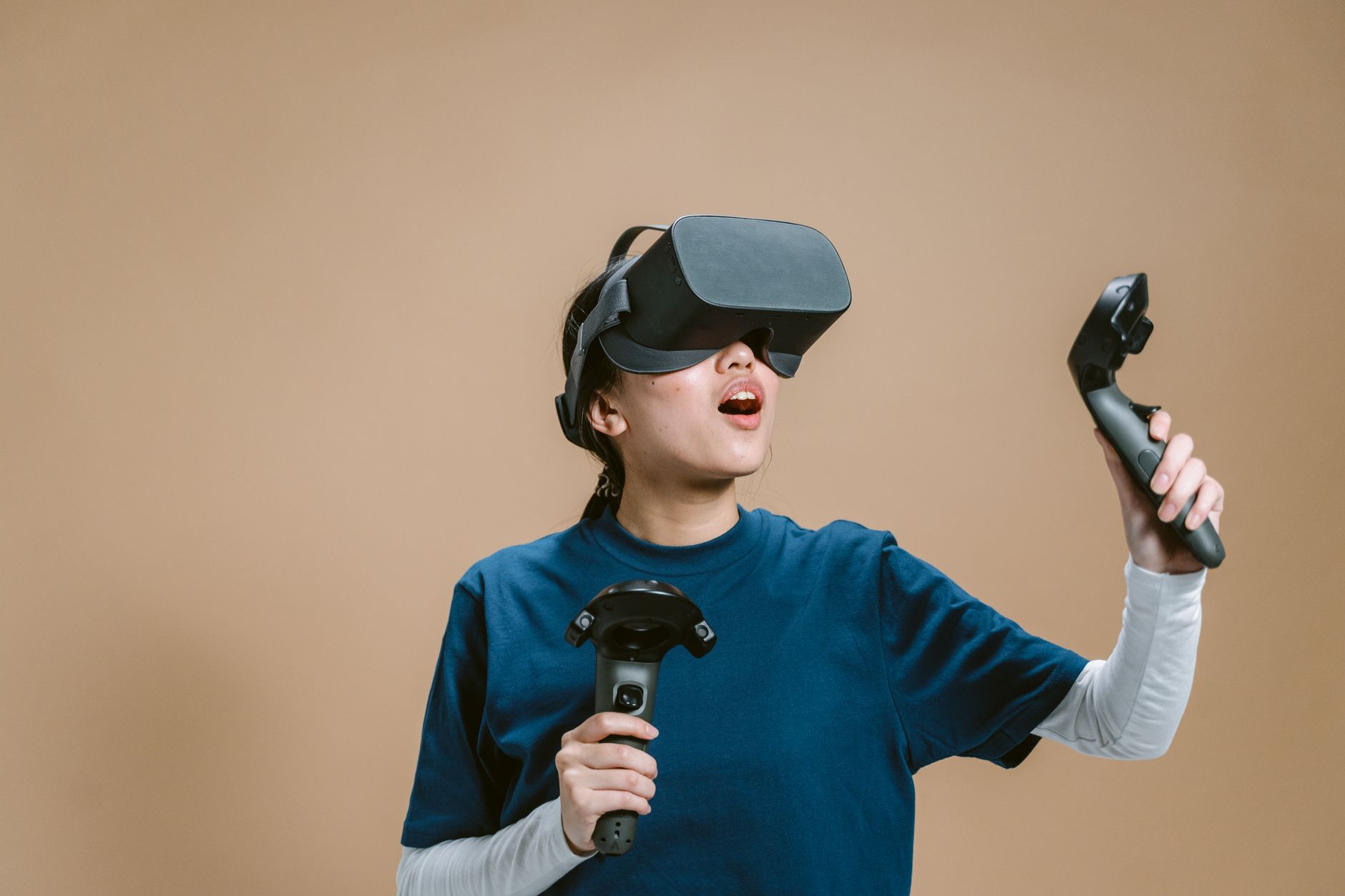
Crisscrossing subway tunnels in New York or waiting for a coffee in Tokyo, billions of players reach for their phones, drawn into ever-richer worlds that barely fit in their pockets. In 2025, mobile gaming sits at the crossroads of cutting-edge cloud technology, social innovation, and business reinvention. Giants like Apple, Samsung, and Google, alongside powerhouses such as Tencent, Epic Games, Unity, NVIDIA, Microsoft, Razer, and Qualcomm, are reshaping daily play by blending console-quality graphics with seamless on-the-go access. Hyper-casual titles, real-world AR quests, and the thrill of mobile esports now keep gamers engaged longer than ever before. With tech evolving at breakneck speed, staying ahead of the next big shift isn’t just for developers, it’s essential for anyone chasing the joy and community found through mobile gaming.
Mobile Gaming Trends Redefining 2025 Play Experiences
Each year, the landscape shifts, but 2025 marks a leap: the line between console, PC, and mobile games is fading fast. Vivid graphics powered by Qualcomm chips and NVIDIA technology, ubiquitous cloud services, and seamless cross-platform progress mean your favorite world never leaves your hand. Social features, once add-ons, are now the fabric of every game, brought to life by the network muscle of Samsung and Apple.
- Console-level streaming via advanced cloud gaming from Microsoft and NVIDIA
- Augmented reality integration, connecting real and virtual worlds
- Hyper-casual game refinement for instant, addictive play
- Social hubs and esports leagues by Tencent and Unity
- Personalized AI systems for unique player journeys
Cloud Gaming: A Platform-Agnostic Revolution
Picture a morning: you start an RPG on your Samsung Galaxy while waiting for the train, pick up where you left off on an Apple iPad at work, and finish your mission on a smart TV at home, no long downloads, just frictionless play powered by NVIDIA and Microsoft Azure’s cloud muscle. Qualcomm-driven 5G connections do the heavy lifting, while Epic Games delivers monthly events straight to your screen.
- No device limitations, console-grade titles on mobiles
- Instant updates, live events, patches, and esports tournaments
- Seamless device switching, progress follows you everywhere
Augmented and Mixed Reality: Where Worlds Overlap
Stepping out of your apartment, you join friends to battle virtual invaders at a city park. Augmented reality is now more than a curiosity: powered by Apple’s LiDAR, Google’s ARCore, and Unity’s real-time engines, games blend with your surroundings. No headsets needed: just your phone, and the city is your playground. Brands run pop-up AR events with in-game rewards, turning local coffee shops or plazas into social hubs for distributed players.
- Precision geo-location, dynamic, real-world quests
- Event-based gameplay, AR pop-ups and flash mobs
- Community achievements, connect with others offline and online
The Surge of Mobile Esports and Social Play
Europe’s streets echo with the cheers from a mobile esports finale streamed by Razer and Tencent. Anyone with a phone can join the ranks: daily team practices, global tournaments, and friendlies orchestrated through easy matchmaking. Streaming through platforms connected by Unity and Epic Games, fans can switch from competitor to spectator seamlessly, even placing virtual bets on their favorite teams during live games.
- Lower entry barriers, participate anywhere with just a device
- Integrated spectator functions, watch, chat, and share replays instantly
- Team and league creation, from solo ladder climbers to sponsored pros
Player Personalization and AI-Driven Game Worlds
It’s no longer about just playing: the game knows who you are, your favorite genres, and even your daily rhythms. AI systems, now standard in studios from Epic Games to Google, predict player desires with nuance: surfacing narrative choices, guiding level suggestions, and adapting storylines with the help of Unity’s machine learning. Want tactical battles during a commute and fun mini-games at lunch? The system evolves alongside you.
- Tailored missions, no two playthroughs alike
- AI-powered matchmaking, balanced and personalized competition
- Storyline evolution, narratives shift with your actions
New Economies: In-Game Assets and the NFT Marketplace
Ownership in mobile games has gone beyond badges and skins. Thanks to blockchain’s spread, often supported by NVIDIA and Qualcomm silicon, digital items are tradable across apps. NFTs bought in one Unity-powered world can now augment status in another, and indie creators, even small teams from Brazil to Korea, launch rare in-game items, fueling a diverse market. Players not only play, but also invest, collect, and trade, blurring the line between fan and entrepreneur.
- Cross-game asset trading, build collections that outlast single titles
- Player-driven markets, rare items, skins, and event passes
- Integrated NFT shops, purchase, sell, or showcase achievements
The Connected Games Ecosystem and Accessibility Revolution
Accessibility isn’t a feature, it’s the standard. Interfaces adapt to every player, languages, haptic feedback, and even eye-tracking controls supported on flagship devices from Samsung, Apple, and Razer. Cross-play is seamless: families face off in party games across tablets, phones, consoles, and PCs without losing a step. Developers like Unity and Tencent set best practices, ensuring community keeps everyone in the game.
- Adaptive controls, from touch to motion to eye tracking
- Full cross-platform support, PC, console, and mobile in harmony
- Inclusive game genres, from quick puzzles to expansive world-builders
Sustainable and Socially Responsible Gaming Design
The push for greener gaming is felt from small studios to global behemoths. Apple’s mobile devices prioritize energy efficiency, and Epic Games weaves environmental themes into top titles. Social features, real-time chat, friend-finder tools, and in-game meetups, cultivate connection and responsible play. The result? Mobile gaming now enhances daily life, not just as entertainment, but as a driver for health, community, and even eco-action.
- Eco-friendly game architecture, battery-efficient, minimized data usage
- Community challenges, virtual events supporting real-world causes
- Positive behavioral nudges: well-being reminders and healthy play habits