



The evolution of mobile payments: what’s new in 2025
 By
Rhys Llewellyn
By
Rhys Llewellyn
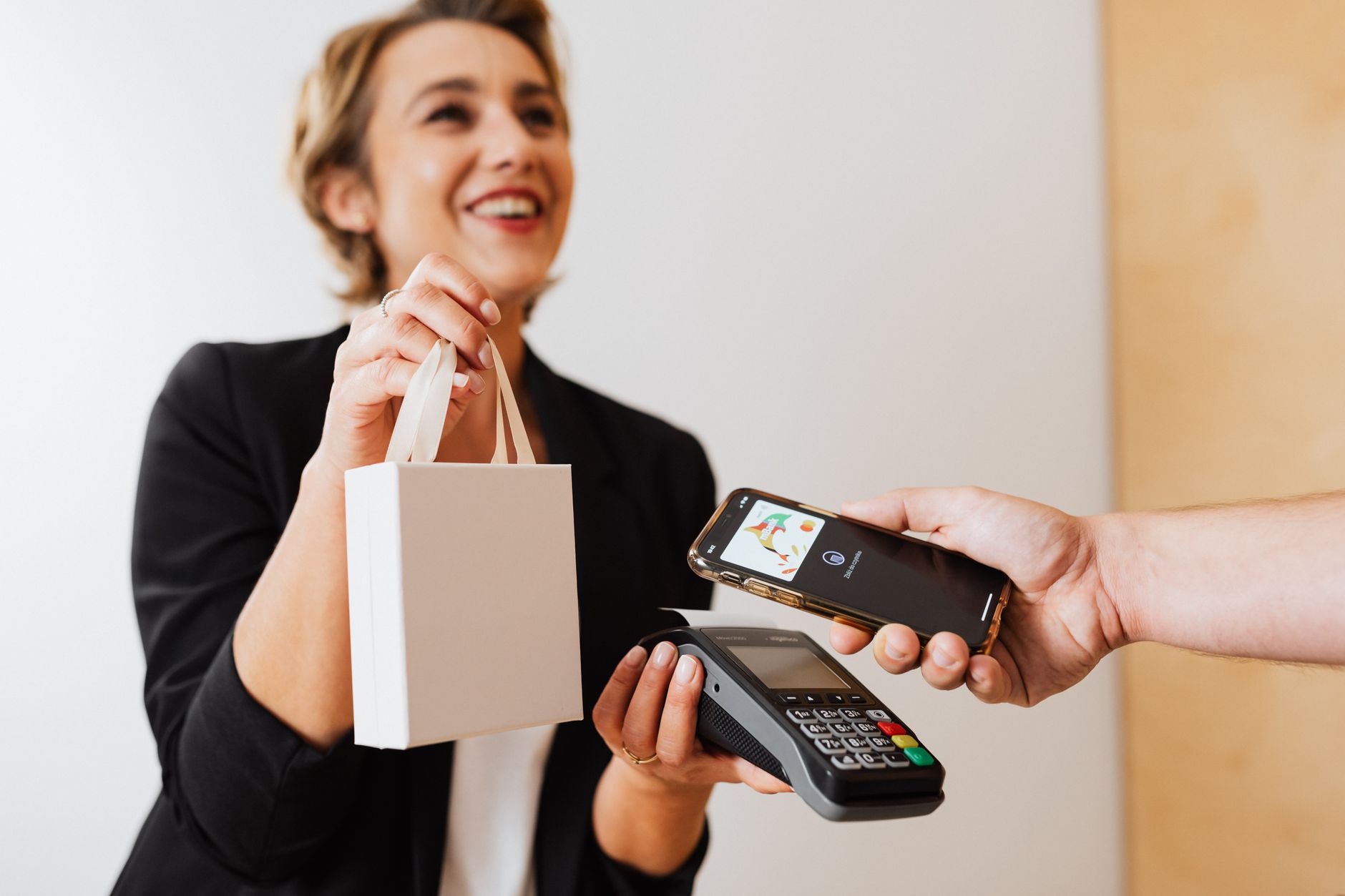
The rhythm of daily commerce has changed irreversibly as 2025 unfolds. Stepping into a bustling café or browsing on your smartphone, the ritual of pulling out a wallet has faded; in its place, a swift tap or scan now ushers in instant transactions. This era of mobile payments is defined by real-time speed, fortified security, and unmatched convenience, fueled by relentless tech progress and bold consumer demand. Giants like Apple Pay, Google Pay, and Samsung Pay lead a market now crowded with nimble innovators, while businesses, adapting or perishing, redefine their strategies to capture this cost-efficient, frictionless ecosystem. The result: how people send, receive, and manage money is smarter, safer, and more accessible than ever, signaling a profound transformation in the way economies and individuals connect.
Mobile Payments in 2025: Defining Key Trends and Real-World Impact
No longer a novelty, mobile payments now underpin daily life in cities and rural communities. The expansion of platforms such as PayPal, Venmo, Cash App, and Alipay reveals an industry where transactions are instant, borderless, and seamless. Today’s mobile payments involve more than the act of paying: they are dynamic experiences integrated into every layer of commerce, from micro-businesses in Kenya using M-Pesa to massive global brands piloting voice-activated purchases through Siri or Alexa.
- QR code payments dominate in Asia, thanks to Alipay and WeChat Pay, digitizing everything from street food to major retailers.
- Biometric authentication with fingerprints and facial recognition powers secure transactions, reducing fraud and forgotten PINs.
- Fintech disruptors like Stripe and Square lower barriers, letting any merchant accept sophisticated payment methods with a smartphone alone.
- Real-time payment networks (e.g., Europe’s SEPA Instant, India’s UPI) provide 24/7, cross-border flexibility, reshaping remittance and payroll landscapes.
AI, Biometrics, and Blockchain: The Tech Powering Secure and Smart Transactions
Behind the effortless flow of payments, artificial intelligence and blockchain quietly build a formidable backbone. AI systems monitor transactions for suspicious patterns at every turn, protecting users without slowing them down. Payment solutions like Samsung Pay now rely on biometric verification: a glance or touch grants instant access, while voice IDs are gaining ground for hands-free payments in accessibility-minded applications.
- Machine learning detects fraud in real-time, minimizing losses and ensuring trust.
- Blockchain enables fast, low-cost cross-border transfers and supports crypto wallets embedded in mobile apps.
- Smart contract technology automates payments for recurring subscriptions and gig work, reducing manual intervention.
- Sophisticated BNPL (Buy Now, Pay Later) models are integrated directly within wallets, giving consumers control and transparency.
As security, speed, and accessibility converge, these backbone technologies adapt quietly to consumer needs: proving that safety and simplicity can coexist.
Mobile Wallet Adoption and Merchant Integration: A Transformation in Retail and Ecommerce
On the frontlines of commerce, the rapid rise of digital wallets, both general (Apple Pay, Google Pay) and specialized (Alipay, WeChat Pay), has opened new chapters for merchants big and small. What once was a feature is now an operational necessity. From New York boutiques accepting Square point-of-sale tap payments, to online marketplaces streamlining checkout with pre-saved credentials via Stripe, the shift is universal.
- Tap-to-pay via NFC is the default at physical retail counters, minimizing wait times.
- Online POS systems now prioritize one-click wallet checkouts to reduce cart abandonment.
- Integrated loyalty programs and personalized offers directly in-wallet, deepening customer engagement.
- Merchant-oriented solutions like PayPal and Stripe support not just payments, but also fraud management and customer analytics for optimization.
The New Normal: Everyday Scenarios and Evolving Expectations
From the perspective of consumers, paying for groceries, splitting dinner via Venmo, or booking flights without ever typing card numbers are no longer futuristic promises: they are daily expectations. Even utility bills and subscriptions can be managed through mobile BNPL options, supported right inside a favorite digital wallet. For international students, sending rent from one country to another with Cash App or crypto-backed wallets offers newfound ease and transparency.
- Crowdfunding and peer-to-peer transfers occur in seconds with apps like Venmo and Cash App.
- Contactless bus fares and parking meters, powered by mobile wallets, streamline urban navigation.
- Emerging embedded finance features offer insurance, credit lines, or even investments, all available mid-purchase.
- Cross-platform compatibility is expected: Apple Pay, Google Pay, and Samsung Pay work across app ecosystems.
What binds these scenarios is their shared promise of reducing friction and giving consumers unprecedented control over how, when, and where they pay. The future of mobile payments is not coming: it is already here, evolving in the palm of your hand.