



How mobile technology is reshaping communication today
 By
Rhys Llewellyn
By
Rhys Llewellyn
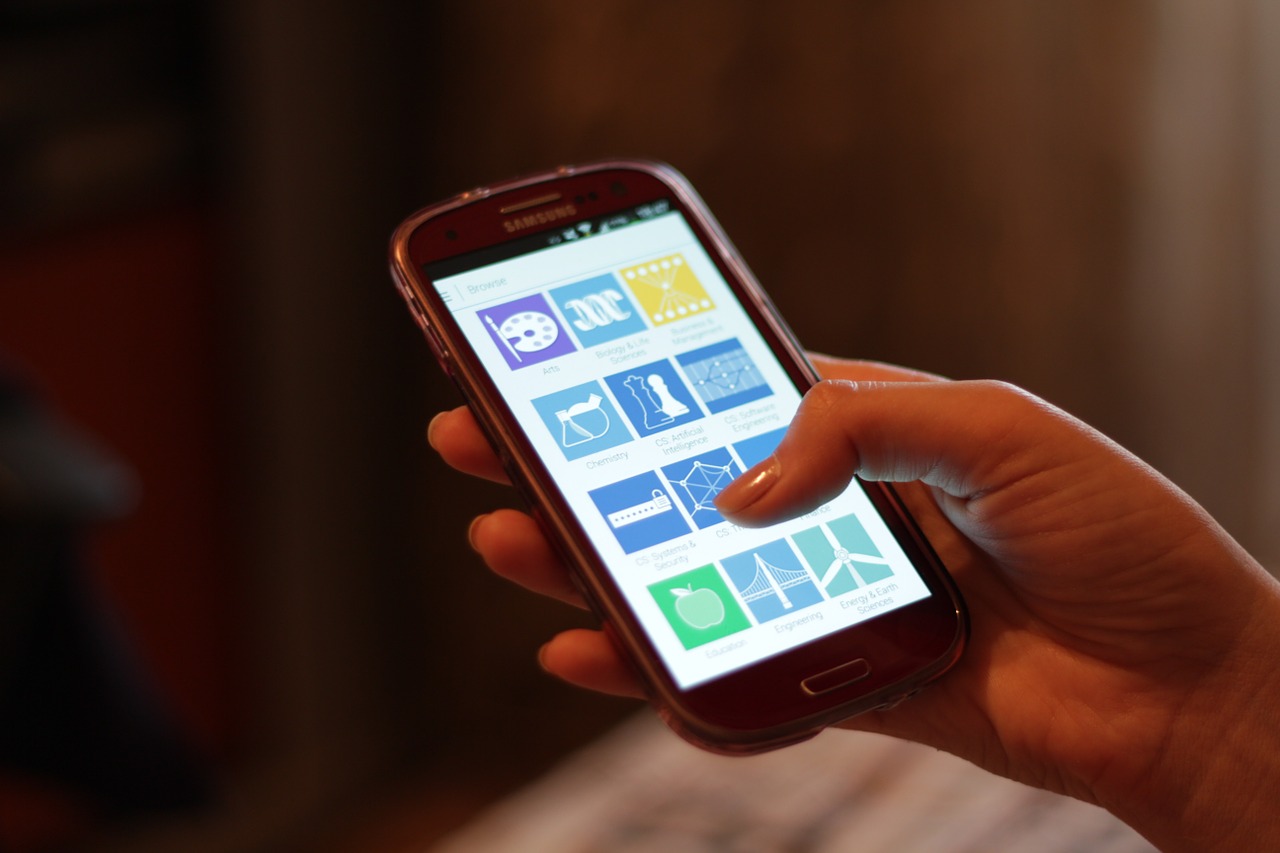
Just a decade ago, society could hardly imagine a world where a single device would bridge continents, collapse communication barriers, and redefine daily social rituals. Yet, thanks to Apple, Samsung, Google, Microsoft, and Huawei, mobile technology has transformed modern interactions. People now seamlessly blend work, relationships, and leisure, from managing projects on Slack to connecting globally via WhatsApp or sharing real-time reactions on Twitter. During critical moments, families rely on Zoom for virtual reunions, and groups spring into spontaneous video calls faster than anyone could have dialed a landline. The pace and intimacy of human communication are forever altered, rippling across cultures, industries, and generations.
How Mobile Devices Are Influencing Social Interaction in 2025
Mobile communication has evolved far beyond calls and texts, ushering in a new era of digital communities. Messaging platforms like WhatsApp and Facebook, alongside video tools such as Zoom, anchor personal and professional relationships in real time. This ubiquity empowers even the most distant friends or colleagues to maintain bonds with unprecedented convenience.
- Family groups organize events instantly via group chats.
- Remote teams brainstorm ideas collaboratively through Slack and Microsoft Teams.
- Apple and Samsung devices synchronize calendars and memories across distances.
- Users forge niche communities on Facebook and Twitter based on interests, not geography.
What emerges is a hybrid of immediacy and intimacy that previous generations could only dream about, often at the cost of traditional face-to-face time.
The Rise of Visual and Video Communication on Mobile Platforms
In 2025, the dominance of video calls and multimedia messaging stands unrivaled. Platforms like Zoom and WhatsApp enable effortless sharing of live moments, with Apple and Samsung continually pushing camera boundaries. Now, even experts hail video updates as the “new normal” of expressing presence.
- Spontaneous virtual birthdays connect families spread worldwide.
- Quick video status updates outperform written messages on Twitter and Facebook.
- Influencers and public figures employ live streams to maintain authentic dialogue.
The emotional context provided by voice, facial cues, and instant reactions has replaced sterile text, leading to deeper understanding, at the expense of attention spans.
The Impact of Mobile Communication Apps on Work Environments
The workday in 2025 pivots around flexibility, as Slack, Microsoft, and Google foster collaboration regardless of physical location. Teams operate asynchronously, sharing documents, ideas, and feedback in a flurry of messages and video clips, reshaping the definition of “the office.”
- Project updates delivered instantly through app notifications.
- Global meetings scheduled at the tap of a screen.
- Google Docs co-editing fosters real-time teamwork.
- Employees thrive with remote options using Huawei and Samsung enterprise devices.
This always-on connectivity, though, can blur personal boundaries, raising new questions about digital well-being and work-life balance.
How Security and Privacy Concerns Shape Messaging Trends
The explosion of mobile communications also introduces pressing concerns regarding security and privacy. While companies like Apple, Google, and Huawei race to implement stronger encryption, trust remains a moving target, especially amid rising cyber threats.
- WhatsApp and Signal leverage end-to-end encryption for confidential chats.
- Enterprise users scrutinize privacy settings on Microsoft Teams and Slack.
- Biometric logins, pioneered by Apple and Samsung, become standard safeguards.
For each breakthrough, users demand more control: reminding all that as mobile technology expands, so too does the need for vigilance and digital literacy.
The Role of Big Tech in Shaping Mobile Communication Norms
Finally, the pulse of communication today is set by the ambitions of industry leaders, whether it’s Apple redefining device usability, Microsoft integrating cloud-office experience, or Google leveraging AI for smarter replies. Meanwhile, Facebook and Twitter set the pace for what goes viral and how trends unfold globally.
- Huawei continues expanding into emerging markets with affordable innovation.
- Samsung experiments with foldable screens for multitasking.
- Google refines searchability within conversation threads.
- Apple threads its devices together for unified communication experiences.
The ongoing race among these giants ensures that communication methods and expectations will keep evolving, promising new stories of connection for years ahead.