


The rise of smart home technology: What you need to know
 By
Rhys Llewellyn
By
Rhys Llewellyn
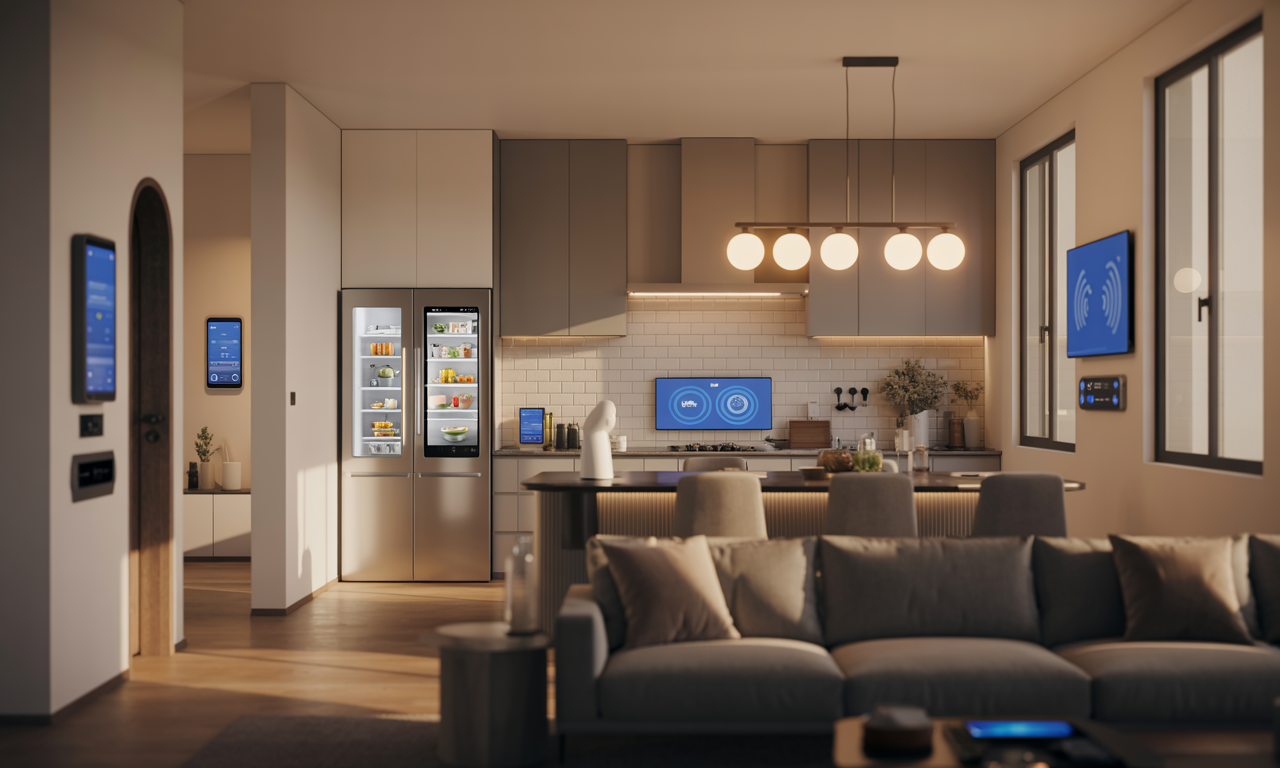
Homes have begun to pulse with a new kind of intelligence. In living rooms where families once switched on lights by hand, voices now summon Amazon Alexa to brighten the space. Kitchens have evolved, with ovens managed through Samsung’s SmartThings or Google Assistant, making every interaction more seamless and intuitive. Across neighborhoods, the silent gaze of Ring doorbells and the climate-conscious decisions of Nest and Ecobee thermostats are now common. Behind each innovation stands a story not simply of invention but of adaptation, with ordinary homeowners discovering that their routines and relationships with technology are being rewritten, and enhanced, day by day. As 2025 unfolds, the momentum of smart home technology is reshaping assumptions about security, comfort, and the very nature of daily living.
Smart Home Technology Trends Revolutionizing Modern Living
Traditional boundaries between convenience and technology have faded. The growing ecosystem of connected devices, championed by Amazon, Google, Apple, and Samsung, drives constant innovation. Many households have adopted products like Philips Hue smart lighting for customizable atmospheres or August locks for secure, keyless entry.
- Voice control through devices such as Alexa or Google Assistant has become a norm.
- Automated lighting systems set by routines, motion, or ambient light sensors help save energy.
- Security enhancements via Ring and Wyze cameras create peace of mind.
- Integrated ecosystems allow control of multiple devices from one app or hub.
The widespread adoption of these trends signals a shift: homes aren’t just connected, they’re learning and adapting preferences, quietly adjusting life’s rhythms in the background.
Major Players Driving Smart Home Adoption
The battle for smart home dominance isn’t won by a single brand. Amazon Echo remains popular for its compatibility with countless plugs and bulbs. Google Nest and Apple HomeKit offer seamless integrations for Apple loyalists and Google users. Brands like Samsung expand reach with appliances that connect to the same network, ensuring even refrigerators become nodes in the digital home.
- Nest thermostats adjust to families’ routines and save considerable energy.
- August locks provide trusted access without duplicating keys.
- Wyze delivers budget-friendly cameras and sensors, democratizing security.
This collective push, fueled by competition and user demand, keeps the landscape dynamic, and fast-evolving, with fresh possibilities each year.
Smart Home Security and Privacy: What Residents Must Consider
With every device that listens, watches, or automates, homeowners face a new landscape of decisions. It’s easy to be impressed by Ring cameras or Google Nest smoke detectors, but how often do people stop and wonder where their data is stored? Smart technology offers remarkable peace of mind, yet every integration, whether with Samsung, Apple, or Amazon, comes with responsibility.
- Choose devices with end-to-end encryption for video and audio streams.
- Update device firmware regularly for optimal protection.
- Segment home Wi-Fi networks to keep IoT devices isolated.
- Select reputable brands, such as Apple and Philips Hue, for more transparent data policies.
Vigilance about privacy safeguards ensures that the benefits of a connected home are enjoyed without sacrificing personal security. Awareness and education serve as the resident’s best tools.
Energy Efficiency and Environmental Benefits with Smart Controls
Where once thermostats had static dials and lights were wasted by careless hands, today’s smart solutions, like Ecobee or Philips Hue, adapt to daily patterns and external conditions. Some homeowners recall their energy bills dropping after installing Nest learning thermostats, which optimize heating and cooling even while residents are away.
- Automated lighting dims or turns off when not needed.
- Adaptive climate control curbs unnecessary energy consumption.
- Reminders for open windows or running appliances offer gentle nudges for eco-friendly behavior.
This not only translates into savings but builds a growing consciousness of the environment, one decision at a time.
The Everyday Impact: Smart Home Technology In Daily Life
Morning routines feel different now: blinds adjust themselves as the sun rises, Amazon Echo prepares updates for the day, and Wyze sensors monitor doors opening as children leave for school. The shift isn’t just technological, it’s emotional. For the elderly, devices synced with Apple HomeKit foster autonomy while keeping families reassured. Working parents trust in Ring video feeds and August smart locks to keep their schedules, and loved ones, on track.
- Parents automate curfews with connected locks and lights.
- Travelers monitor homes remotely for peace of mind.
- Seniors use voice assistants for reminders and emergency calls.
These changes don’t only affect lifestyles, they gradually redefine how people value time, safety, and care within their own four walls, shaping a new narrative for homes everywhere.