


Smart home automation: A guide for beginners
 By
Rhys Llewellyn
By
Rhys Llewellyn
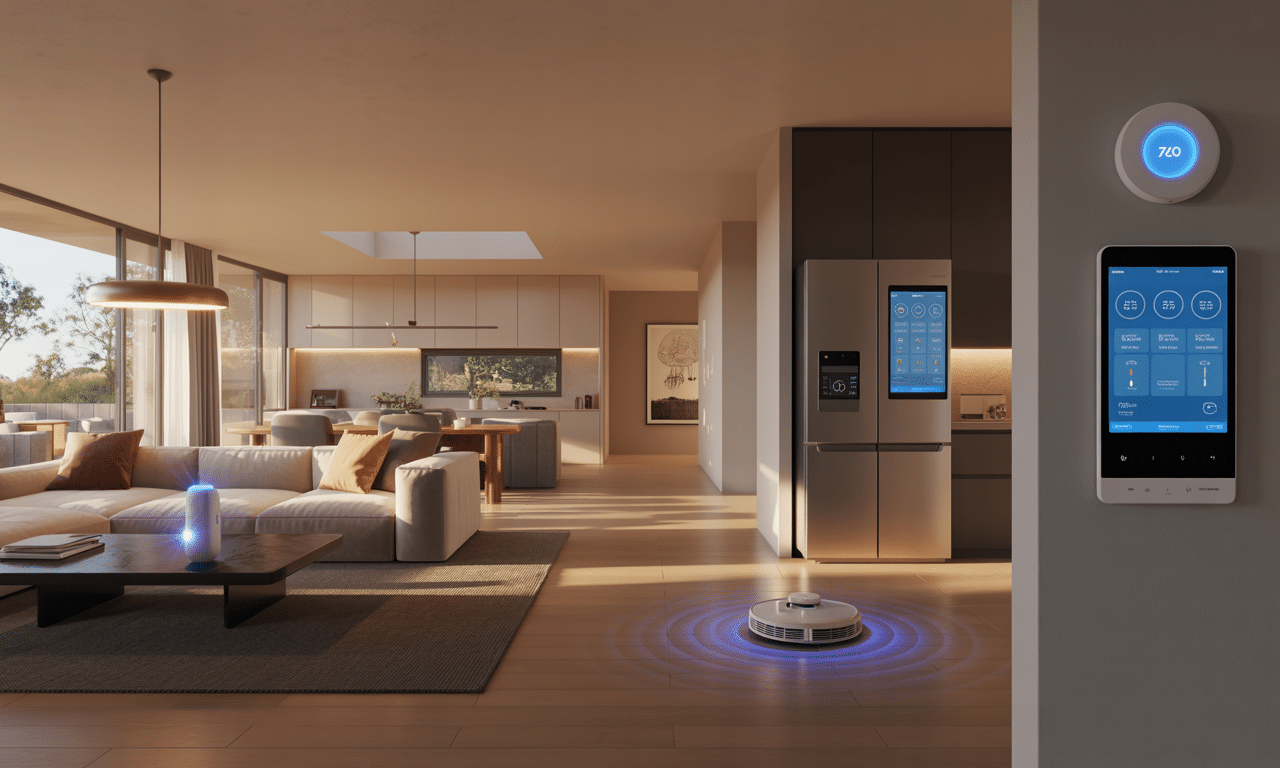
If you’ve ever wondered what it might be like to dim the living room lights, adjust your home’s temperature, and check who’s at the door, all without leaving the comfort of your sofa, this is the perfect moment to step into smart home automation. The rise of powerful yet accessible platforms such as Nest, SmartThings, and Ecobee, combined with user-friendly devices like Amazon Echo and Google Home, has brought intelligent living within reach for almost every homeowner. Even (or especially) for those new to the scene, the process of creating a connected, responsive living space is now more achievable than ever. This narrative will walk through the essentials, surprising benefits, and first steps on the path to making your home not just smarter, but truly attentive to your needs.
Understanding Smart Home Automation Systems: The Basics for Beginners
Stepping into smart home technology begins with a sense of wonder, watching a Philips Hue bulb cycle through every color imaginable or controlling a Ring doorbell from miles away. Yet beneath these moments lies a practical framework: your smart home automation system. At its core, this system allows you to centralize control over disparate devices, making daily life more seamless.
Key concepts for anyone starting out include:
- Smart home hubs: Devices like SmartThings or Amazon Echo act as the brain, connecting everything together.
- Protocols: Technologies such as Zigbee, Z-Wave, Wi-Fi, and Bluetooth that allow devices to communicate.
- Connected devices: Gadgets including smart lights, locks, cameras (Arlo, Wyze), and thermostats (Ecobee, Nest).
The magic unfolds when individual products integrate smoothly, letting you automate routines, like lights that turn on as you arrive home. With the basics in hand, the true power of automation reveals itself in convenience and control.
Why a Centralized System Makes a Difference
Managing many apps or remote controls quickly becomes a hassle. That’s why hubs such as Google Home and Apple HomeKit are invaluable; they offer a single access point to orchestrate nearly everything in your digital ecosystem, often via simple voice commands or a single dashboard.
- Set routines across multiple device brands
- Monitor temperatures, lights, and security feeds on one screen
- Allow for remote management and notifications
With a centralized approach, your home adapts to your preferences, not the other way around.
Essential Considerations Before Starting Your Smart Home Project
Building your smart home is a journey, often shaped by your habits, priorities, and budget. There’s a growing spectrum of devices to choose from, ranging from the ever-popular Philips Hue lights, to Wyze cameras, to robust security systems by Arlo. Each brings a new layer of capability to your home, but jumping in headfirst can quickly lead to mismatched products and frustration.
Before the first smart bulb or speaker is connected, consider:
- Budget planning: Prioritize must-have functions, then match devices to your price range.
- Protocol compatibility: Check which standards your chosen hub and desired devices support.
- Backwards compatibility: Will your new purchases work with existing gadgets?
- Scalability: Start with a few essential units, expanding as your needs become clearer.
A thoughtful start prevents regrets and empowers you to build a home automation system that grows with your family’s needs.
Starting Small: Recommendations for the First Wave of Devices
Veteran automators always advise beginners to keep it simple at first, gaining confidence from early wins like switching on Philips Hue lights with your voice or automating the comfort of your climate via Ecobee or Nest. From there, you can layer in more intricate automations or additional rooms.
- Begin with smart lighting, easy to set up, immediately impactful.
- Add a smart thermostat such as Ecobee or Nest for energy savings.
- Enhance security with a Ring doorbell or Wyze/Arlo cameras.
This foundational setup delivers benefits right away, while staying flexible for future growth.
Choosing Smart Home Hubs and Protocols: Connecting Everything Efficiently
The hub you select determines how well your entire system works together. Devices like Samsung SmartThings, Amazon Echo, or Google Home each have strengths: some excel at integrating many protocols like Zigbee and Z-Wave, others offer broader voice assistant support or robust ecosystem tie-ins.
Here’s what to prioritize when evaluating hubs:
- Supported protocols: Wi-Fi, Zigbee, Z-Wave, Bluetooth, and emerging standards like Matter
- Compatibility with major devices: Ensure support for Nest, Ecobee, Philips Hue, Ring, and other leading brands
- Ease of use: Prioritize intuitive interfaces and reliable routine scheduling
- Routine customization: Seek platforms that let you easily tailor automations
The goal is to unify your devices under one roof, making even complex routines easy to manage.
Protocol Primer for Beginners
The “language” your smart home speaks decides how smoothly it all runs. Zigbee and Z-Wave offer low-latency control and are widely supported by hubs like SmartThings. Wi-Fi is omnipresent, great for always-on products such as Amazon Echo. Meanwhile, Bluetooth is handy for quick setups, and the new standard Matter is promising deeper cross-brand compatibility in 2025.
- Zigbee/Z-Wave: Ideal for sensors, switches, bulbs; extended range through mesh networks.
- Wi-Fi: High bandwidth, good for cameras and streaming devices, but higher energy use.
- Bluetooth: Fast pairing for close-range devices.
- Matter: An up-and-coming protocol aiming for universal compatibility.
Mismatched protocols often spell frustration, stick with hubs and devices that embrace diversity for a straightforward start.
Personalizing Routines and Enhancing Everyday Life
Once the infrastructure is in place, the real fun begins, training your home to anticipate your needs. Many find that the ability to create personalized “scenes” or “routines” becomes the secret ingredient to smart home satisfaction. Waking up to warm light, having the thermostat set the perfect temperature, and getting a morning news briefing through Amazon Echo, all without lifting a finger, changes the rhythm of routine.
Popular starter routines include:
- “Goodnight”: Locks doors, turns off lights, and arms your Ring alarm.
- “Away mode”: Adjusts Nest thermostat, turns on security cameras (Arlo, Wyze), and closes smart blinds.
- “Welcome home”: Triggers Philips Hue lights, plays music via Google Home, sets temperature with Ecobee.
Customizing these flows isn’t just for show: it can genuinely reduce stress, improve energy consumption, and boost your day-to-day security.
Saving Energy and Money with the Right Devices
Efficient automation is more than convenience. Eco-friendly products like Ecobee and Nest thermostats use intelligent sensors to tweak heating and cooling. Devices such as smart plugs or advanced lighting from Philips Hue monitor and cut energy waste, helping families notice lower utility bills month after month.
- Use smart thermostats to optimize heating and cooling per room.
- Schedule smart lights to turn off automatically when not in use.
- Integrate geo-fencing so your home knows when to power down based on who’s home.
The subtle changes made possible by automation add up, offering better living while leaving a lighter environmental footprint.
Addressing Security, Compatibility, and Troubleshooting in Smart Homes
Making your smart home both efficient and secure is a continuous process. While setting up devices like the August smart lock or installing a new Arlo camera, unexpected compatibility or privacy questions often arise. Regular updates and careful management of device permissions can make all the difference.
Keep these security practices in mind:
- Create strong, unique passwords, and enable two-factor authentication on hub accounts.
- Update device firmware regularly for the latest protections.
- Monitor your device network using your hub’s dashboard: many (like SmartThings) offer clear security alerts.
- Limit device permissions to only those necessary for daily use.
Staying proactive helps ensure that your smart home remains your personal sanctuary, not a vulnerability.
Common Troubleshooting Tips for Beginners
Every smart home enthusiast encounters a few hitches, devices dropping offline, occasional glitches, or the odd stubborn device that won’t join the network. Patience and a methodical approach pay off here.
- Restart hubs and routers when connection issues crop up.
- Double-check device compatibility via official manufacturer lists (for systems like Nest, Ring, Wyze).
- Reinstall apps or update firmware if a device is unresponsive.
Most frustrations can be resolved, and every resolved glitch is a step toward mastery, a story every smart home owner accumulates over time.
Looking Forward: The Future of Smart Home Automation
As smart home technology charges ahead into 2025, artificial intelligence and more cohesive Internet of Things (IoT) protocols (like Matter) promise even greater convenience and interoperability. The smart homes of tomorrow will be even more attuned to individual routines, learning from daily behaviors and simplifying tasks with ever less input. For now, even those who start with a simple setup are participating in a technological revolution, one that promises more time, comfort, and safety at home.
Ultimately, whether you begin with a single Amazon Echo or set your sights on fully integrated living spaces, the journey into home automation is a personal adventure, reshaping daily life, one connected device at a time.
- Embrace gradual expansion by adding new capabilities as your needs grow.
- Watch for innovations like AI-powered customization and wider device compatibility.
- Share successes and solutions within the growing online community of smart home enthusiasts.
The world of smart home automation is only becoming richer and more accessible, inviting every homeowner to experiment and enjoy the tangible benefits of thoughtful automation.