

Saving energy with smart home devices in 2025
 By
Rhys Llewellyn
By
Rhys Llewellyn
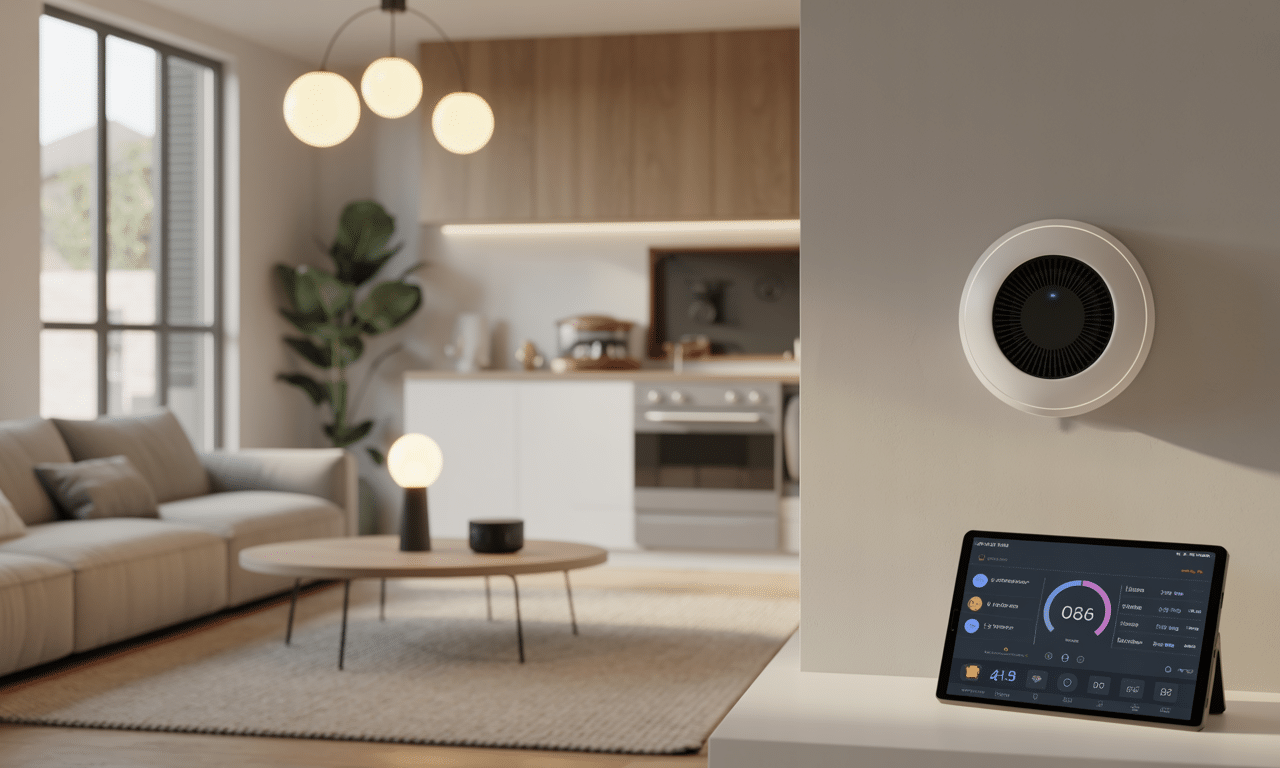
In the evolving story of modern homes, 2025 marks a turning point in the quest for sustainability. Smart home technology isn’t just making life easier: it’s reshaping the way energy is used and managed. Picture a household where the thermostat knows your routine, the lights dim themselves as daylight fills the room, and every device quietly collaborates to shrink utility bills. Rising electricity costs and growing concern for the environment have spurred a wave of innovation. From iconic names like Nest and Philips Hue to adaptive ecosystems like SmartThings and Honeywell, today’s smart devices empower families to save energy with unprecedented precision. As households seek practical solutions, knowing which technologies genuinely drive savings can help chart a greener path, and maybe even make daily life feel a little more magical.
Smart Thermostats: The Heart of Efficient Home Climate Control
Few innovations have changed home energy consumption like the latest smart thermostats. With brands like Nest, Ecobee, and Honeywell leading the charge, these devices go beyond simple programming. Imagine a thermostat that learns from your habits, adapting itself to lower heating or cooling when you leave, then welcoming you home to perfect comfort.
- Nest Learning Thermostat (4th Gen) leverages AI to optimize temperature automatically, syncing with Google Home and SmartThings.
- Ecobee SmartThermostat uses occupancy sensors to slash heating and cooling waste, fully integrated with Amazon Alexa.
- Units like Honeywell T10 Pro offer granular zoning, focusing energy where you need it most.
By trusting your home’s comfort to these devices, many find annual heating expenses falling by 12% and cooling costs by 15%. The result? A home that adjusts itself, so you never waste a kilowatt, and comfort feels effortless.
Real-Life Efficiency: How Smart Thermostats Transform a Routine
Consider the Evans family: with two kids and opposing work schedules, their smart thermostat quickly learned when the house was empty: lowering the heat during those hours and sending alerts if windows were left open. Within one year, their total energy bill dropped noticeably, freeing up budget for a spring vacation.
- Remote temperature adjustments from a smartphone app
- Automatic scheduling during work and sleep hours
- Integration with Google Home and Amazon Alexa for voice control
Lighting Revolution: Smart LED Bulbs and Automated Systems
Lighting remains one of the quiet energy drains in any home, and 2025 sees an explosion of options for smarter illumination. Philips Hue and TP-Link smart bulbs let you paint each room with the right light while minimizing waste.
- Philips Hue bulbs adjust brightness and color automatically, aligning with both Amazon Alexa and Google Home.
- TP-Link Kasa Smart Bulbs enable scheduled dimming, voice commands, and group controls via SmartThings.
- Lifespan averaging over 25,000 hours, meaning fewer replacements, less waste.
Homeowners love setting dusk-to-dawn routines, using motion sensors to light a path only when needed, and linking their lighting to sunrise and sunset. In practice, a 10% cut on energy bills is common once the last incandescent is swapped for LEDs.
Seamless Integration: Voice and Automation Power
Smart lighting comes alive when linked with devices like Amazon Alexa and Google Home. Voice commands dim the living room, brighten the kitchen, or cue up mood lighting for movie night. And thanks to platforms like SmartThings, every bulb becomes part of a unified, energy-aware ecosystem.
- IFTTT automations trigger lights off when leaving home
- Energy dashboards show real-time savings
- Hands-free control boosts both safety and efficiency
The Power of Smart Plugs and Appliance Monitoring in Daily Life
Smart plugs, often overlooked, have quietly become indispensable. Devices from TP-Link and Ring allow families to manage anything from coffee makers to gaming consoles, cutting off electricity when not in use and revealing energy hogs through insightful reports.
- Schedule high-wattage appliances like heaters with ease
- Monitor real-time energy use via dedicated phone apps
- Create scenes with Amazon Alexa (e.g., ‘away mode’ shuts off all non-essential devices)
The effect is more than numbers on a bill: these tiny gadgets stop energy vampires that quietly siphon power 24/7. Homeowners marvel at the ease with which forgotten devices are switched off, even from miles away.
Entertainment and Office: Where Savings Add Up Fast
Living rooms and home offices are especially prone to wasted energy. By connecting clusters of electronics to smart power strips, one tap or simple routine ensures no device is left idly slurping power overnight.
- TP-Link plugs cut output after set work hours
- Ring systems link outlets to security modes: no more lights left blazing when the house is locked
- Track which outlets drain the most, helping guide future purchases
Comprehensive Energy Monitoring: See, Understand, Save
Understanding energy consumption is the linchpin for effective change, and in 2025, advanced home energy monitors are more accessible than ever. Systems like the Sense Energy Monitor plug into electrical panels and map an entire home’s energy footprint, device by device.
- Real-time dashboards flag high-consumption patterns instantly
- Custom alerts for any abnormal usage help prevent bill shocks
- Integrated solar monitoring assists renewable energy users
With these tools, it’s impossible not to notice the quiet culprits behind soaring utility bills. Sudden spikes, unexpected usage, or hidden appliance inefficiencies come to light, prompting simple, actionable changes.
Taking Action: Turning Information into Results
Families using integrated hubs like SmartThings automate energy-saving habits based on their monitor’s alerts. Gone are the days of manual checks, now, the home nudges its owners to act or simply handles the adjustment itself.
- Scheduled reports for every family member
- Optimization recommendations sent directly to your phone
- Integration with Amazon Alexa enables easy voice reviews
Next-Level Upgrades: Smart Blinds, Appliances, and Security
A future-facing home doesn’t stop at thermostats or bulbs. In 2025, smart blinds from IKEA synchronize with sunlight, lowering themselves to block afternoon heat and rising in the morning, seamlessly automating thermal comfort. Meanwhile, advanced appliances such as fridges and washing machines connect with August and Ring systems to optimize energy and protect your property.
- Automated blinds adjust based on time and temperature
- ENERGY STAR-certified smart fridges analyze user routines
- Washing machines adapt water/electricity use to each load
Security and efficiency come together as Ring and August locks synchronize with lighting and HVAC: ensuring no unnecessary energy runs while the home is secured.
Bringing It All Together: Household Harmony
When these technologies unite under versatile platforms like SmartThings, life changes dramatically. Shutters lower automatically during heatwaves, connected by a schedule designed in tandem with the home’s energy monitor and compatible with Amazon Alexa routines.
- Scenes for energy saving, comfort, and security
- Simple set-up through app integration, futureproofing your home
- Real-life stories showcase steady drops in energy use and stress