


Enhancing security with smart home technology
 By
Rhys Llewellyn
By
Rhys Llewellyn
Picture a quiet evening at home: soft lights from your Philips Hue, the gentle hum of an Ecobee thermostat, and the certainty that your security system, powered by innovations from names like Ring, Nest, Arlo, August, and SimpliSafe, stands constant guard. In 2025, the promise of smart home technology is no longer a luxury, but a daily presence, redefining the very idea of protection and comfort. I remember the anticipation as I set up my first AI-powered surveillance camera, the sense that each device, whether a Wyze camera for the nursery or an ADT security panel by the door, was part of a living ecosystem, always learning, adapting, and responding. Home, once secured by mere locks and keys, now brims with intelligence: face recognition greeting familiar visitors, voice assistants alerting us in real time, and digital locks granting access with a touch or glance. The future, it seems, permeates every wall and corridor, inviting us to sleep soundly, shielded by technology that ceaselessly evolves along with our needs.
AI-powered security cameras and next-level surveillance
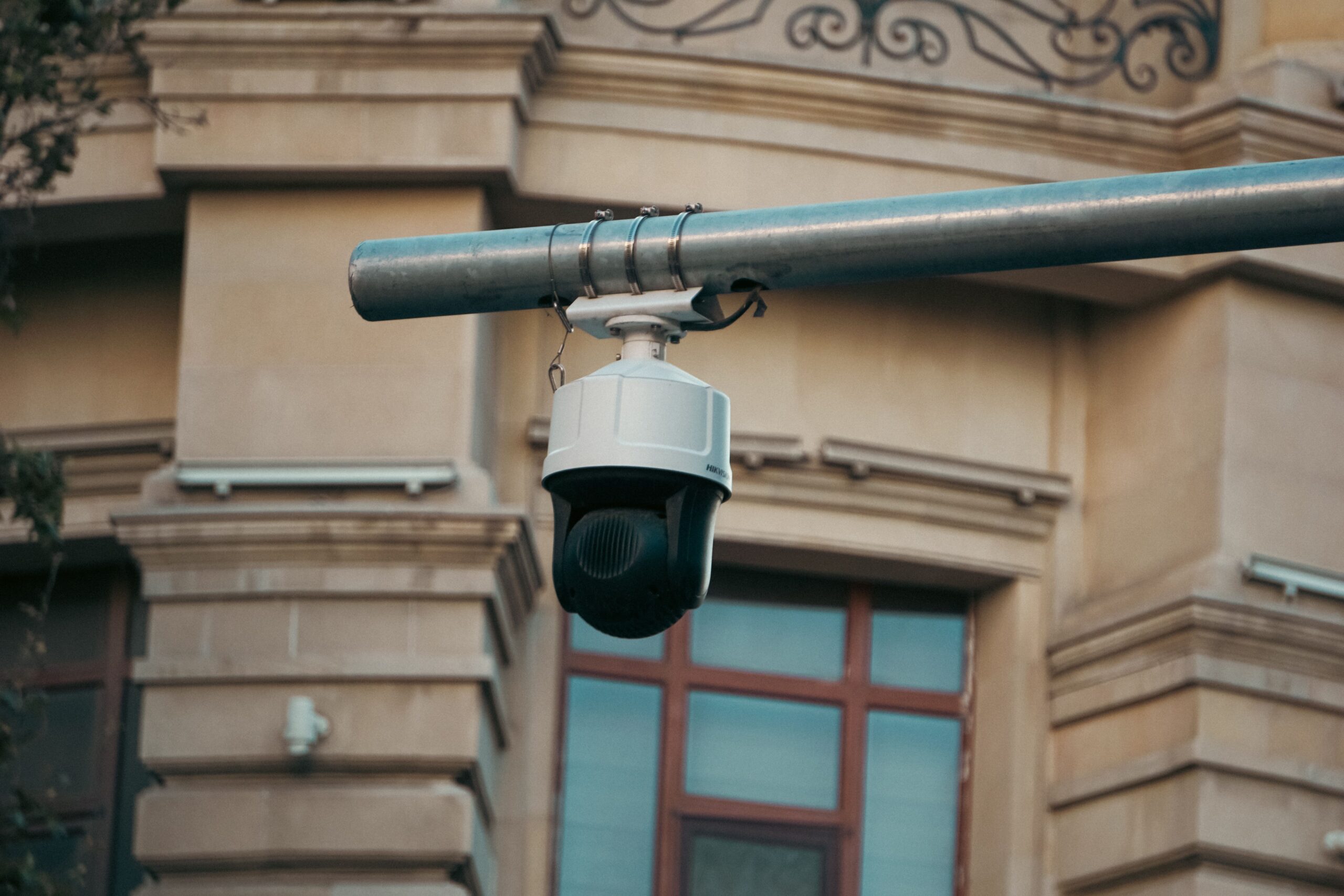
I’ll never forget the subtle shift in family routine after installing our first Arlo Ultra 2 with facial recognition. Overnight, the backyard felt more secure, the porch deliveries safer. Unlike traditional cameras, AI-powered devices from brands like Nest, Wyze, and Ring distinguish between pets, neighbors, and potential threats, cutting through the noise to deliver only the alerts that matter.
- Facial recognition offers tailored alerts for unrecognized faces at the door.
- Smart notifications filter out passing cars, rustling leaves, or pets wandering the yard.
- Real-time streaming provides instant access to footage, no matter where you are.
- Night vision and two-way audio enhance communication and visibility even under cover of darkness.
- Integration with systems from ADT or SimpliSafe centralizes responses during emergencies.
With each upgrade, cameras cease to be passive eyes and become intelligent guardians, heightening not just awareness, but our peace of mind.
How AI transforms simple cameras into proactive defenders
In the early days, cameras simply recorded. Now, artificial intelligence embedded in devices like Ring or Wyze discerns patterns, learns routines (who arrives when, how long visitors linger), and distinguishes false alarms from honest threats. Vivid examples abound, like a Nest Cam catching an attempted break-in and collapsing hours of footage into a single, actionable alert.
- Behavioral learning creates personalized safety protocols over time.
- Event recap condenses hours of monitoring, highlighting only unusual incidents.
This shift turns surveillance into a finely tuned, context-aware defense system, continually raising the bar for what home security means.
Smart locks and seamless access control with AI innovation
Locks and keys once carried the weight of home security. Today, smart locks from August, Ring, and others provide solutions beyond imagination: biometric readers, temporary digital codes for guests, even voice-activated entry. After a late flight, I remember unlocking my front door using nothing but my voice and feeling as though the future had quietly arrived.
- Keyless entry removes the hassle of lost or duplicated keys.
- Biometric authentication (fingerprint or facial recognition) ensures only trusted users can enter.
- Remote locking/unlocking allows management from anywhere through a smartphone app.
- Temporary codes grant access to cleaners, guests, or service providers, expiring automatically afterwards.
- Integration with ADT or Honeywell alarms amplifies home protection during unauthorized access attempts.
Here lies convenience and security intertwined, reshaping daily routines and offering new solutions to age-old concerns.
Adaptive learning and security escalation in modern smart locks
Innovative brands like August and Yale now embed AI routines that react to unusual activity: a door unlocking at an odd hour triggers a Nest camera to record and notifies your phone. When a code is entered incorrectly multiple times, systems can activate SimpliSafe or ADT alarms, moving beyond mere deterrence into a realm of responsive, layered defense.
- Activity logs monitor every entry and exit.
- Security escalation links with cameras and alarms for immediate coverage.
This interconnectedness ensures that home entry points never stand alone, but always communicate, predict, and respond.
Voice assistants and the age of hands-free security
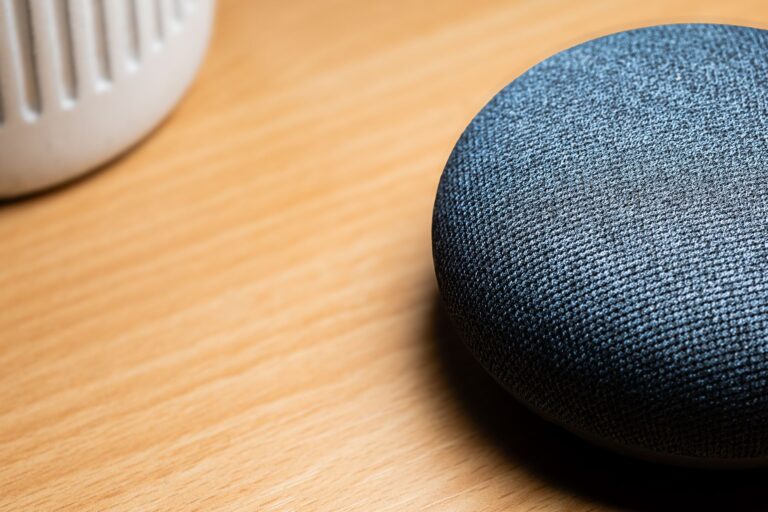
Voice control isn’t just a novelty, integrating devices like Amazon Alexa or Google Assistant with your security system takes protection to instinctive new heights. I recall the ease of telling my assistant to “lock the doors” as I carried groceries, or the time a gentle reminder announced, “Garage door left open.”
- Arming/disarming alarms by voice through Ring, Honeywell, SimpliSafe, and others.
- Instant status reports on doors, windows, and sensor activity.
- Automated scene activation (“Away Mode”) triggers Philips Hue, Nest, and Ecobee devices for comprehensive security.
- Real-time alerts when voice commands indicate distress or unauthorized entries.
Voice assistants thread convenience into the fabric of security, ensuring safety becomes routine, never a burden.
Integrating environmental controls for holistic safety
Dimming Philips Hue lights at bedtime, setting Ecobee to eco mode, locking August doors, and activating SimpliSafe at once: this cohesive orchestration, managed by a single voice command, reveals how AI-driven ecosystems create seamless, secure living environments.
- Reduced human error, fewer forgotten locks or alarms.
- Personalized routines based on time, occupancy, or location.
This harmony between comfort and caution forms the new standard for home wellbeing.
AI-powered intrusion detection and proactive threat prevention
When front yard sensors from Wyze distinguish between a family dog and a prowler, and an ADT panel signals an unusual access attempt, the difference is clear: AI multiplies vigilance. Installing a Honeywell motion detector once meant false alarms from every passing shadow. Now, pattern recognition and continuous learning filter nuisance triggers and forecast vulnerabilities.
- Pet-friendly detection ignores familiar movements inside and out.
- Predictive analysis anticipates break-ins by analyzing time and sequence patterns.
- Layered alerts integrate multiple devices, cameras, lights, locks, for comprehensive threat response.
- Remote control ensures no alert goes unanswered, even when abroad.
This shift turns traditional monitoring into a form of technological intuition, anticipating risk as it arises.
Learning from each interaction: an evolving safety net
Every event, someone at the door, a window left open, unusual late-night activity, feeds into a growing intelligence. SimpliSafe and Nest platforms wield this data to refine every response, preventing repeated mistakes and improving accuracy.
- Continuous improvement makes every night more secure than the last.
- Holistic insights combine physical and cyber protection.
In this learning loop, the house itself becomes the most attentive guardian of all.
Cybersecurity in the era of connected homes
Trust in smart devices from Ring, Arlo, Honeywell, and ADT is anchored in the assurance that personal data and safety are never compromised. With every connection, from Philips Hue bridges to Ecobee thermostats, August smart locks, and Wyze sensors, cybersecurity emerges as the hidden backbone of the smart home. Real-time threat detection, encrypted communications, and automated updates are no longer optional.
- Automated patches defend against emerging threats, often before they’re widely known.
- End-to-end encryption safeguards activity logs and video streams.
- Proactive network monitoring halts unauthorized attempts to access your ecosystem.
- Data minimization keeps only what’s essential, reducing risk.
This dimension of digital defense works silently as the final line of resilience, so that every other smart system can fulfill its promise without compromise.