


Top smart home systems for seamless living
 By
Rhys Llewellyn
By
Rhys Llewellyn
Life in 2025 is quietly revolutionized by technology that once seemed like science fiction. Stepping into a home can now mean being welcomed by lighting that knows your preferences, a thermostat fine-tuned to your rhythm, and security that watches over your family: no matter where you are. This isn’t just convenience; it’s a transformation of daily life as smart home systems become both more affordable and sophisticated. Today’s homeowners and renters are no longer asked to choose between luxury and practicality. With platforms such as Amazon Echo, Google Nest, Apple HomeKit, and Samsung SmartThings, it’s possible to assemble truly seamless living environments. Whether automating morning routines or configuring advanced security, the modern smart home connects, anticipates, and adapts. Below, discover how to navigate the vast landscape of smart living, and how to unlock a home that truly works for you.
Smart Home Hubs: The Brains Behind Seamless Living
In most households striving for intelligent automation, the journey begins with the central hub. Serving as the “brain” of your system, this platform coordinates connected devices, interprets your commands, and bridges protocols so everything works in harmony. As seamless living becomes the expectation, choosing the right hub is pivotal, not just for compatibility, but also for the future-proofing of your entire household.
- Samsung SmartThings Station: Lauded for its stylish design and built-in wireless charging, this hub boasts Matter support, ensuring broad compatibility across brands and devices for forward-looking living spaces.
- Aeotec Smart Home Hub: Ideal for DIY enthusiasts, it supports Zigbee, Z-Wave, and Wi-Fi protocols, making it a robust choice for integrating diverse smart lighting (like Philips Hue), security, and automation gear.
- Ikea Dirigera: With a focus on simplicity, the Dirigera is perfect for smart home beginners and connects easily to Amazon Alexa, Apple Home, and Google Home. While limited to Ikea devices for now, future updates will introduce extended compatibility.
- Other adaptable options: Wink and Homey Bridge offer versatility: though each has tradeoffs in complexity or device limits.
Ultimately, the choice of hub will dictate your home’s capabilities for years. Stability, app usability, and ecosystem support are the linchpins of a frustration-free experience.
Selecting Your Ideal Smart Home Ecosystem
Every seamless home rests on an ecosystem: the network that shapes what you can control, how easily, and how securely. Whether favoring Amazon Echo or Google Nest, the decision comes down to desired features, privacy priorities, and preferred devices. In 2025, interoperability is no longer optional; it’s expected, as users mix and match devices for tailored lifestyles.
- Amazon Echo: With unrivaled voice-recognition and compatibility with thousands of smart devices, Echo remains a top pick for homes focused on effortless control and entertainment automation.
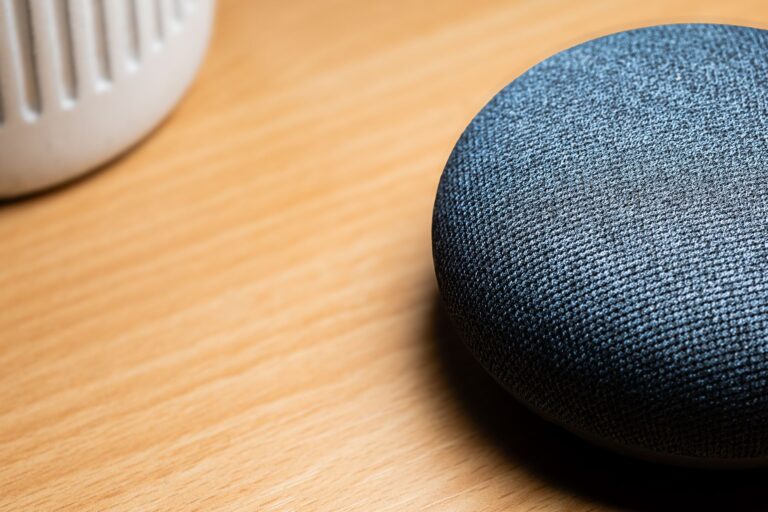
- Google Nest: Integrated deeply into Google’s digital assistant and broader Android ecosystem, Nest excels in contextual awareness and intuitive routines.
- Apple HomeKit: For those loyal to iOS, HomeKit delivers pristine privacy controls, end-to-end security, and elegant, unified control across Apple devices.
- Samsung SmartThings: Best for advanced automation and diverse device support, especially when mixing Zigbee, Z-Wave, and the latest Matter-certified gadgets.
Choosing your core ecosystem shapes your options for voice assistants, scene building, and future upgrades. Consider existing devices and the learning curve: seamless living is as much about usability as it is about connectivity.
Key Ecosystem Features for a Seamless Smart Home
Each platform brings unique strengths to the table. Robust integration of TP-Link Kasa smart switches with Alexa, efficient scene control via Google Home routines, or Apple HomeKit’s secure automation each tell a different story of living comfort. Weigh the pros and cons below before fully committing:
- User interface and ease-of-use (home app design, voice command reliability)
- Level of device compatibility (from Philips Hue bulbs to Arlo cameras and Ring doorbells)
- Privacy and data handling practices
- Service plan costs for premium features or storage
- Automation depth (schedules, custom scenes, IFTTT support)
Seamless living only thrives when these considerations match your habits and expectations.
Essential Device Categories for Smart Home Automation
True harmony at home isn’t achieved with a lone device; it’s the result of orchestrated collaboration between smart lights, security, appliances, and entertainment. Knowing which products will give you the most return makes your first steps more intentional.
- Smart Lighting: Brands like Philips Hue and TP-Link Kasa bring mood lighting, circadian rhythm support, and app/voice control into every room.
- Smart Security: Ring doorbells, Arlo cams, and motion sensors deliver real-time alerts, remote monitoring, and custom automations for peace of mind, even if you’re across the globe.
- Smart Thermostats: Ecobee and Nest learn habits, optimize for energy efficiency, and connect to voice assistants for instant comfort.
- Smart Appliances: Refrigerators that track groceries and ovens that preheat on command, from makers such as Samsung and LG.
- Entertainment Automation: From seamless Sonos setups to Netflix-ready Google Chromecast, unified media experiences are now voice-activated and context-aware.
Each device brings its own app, but when unified in your core hub, you truly unlock the power of automation, a home that senses, responds, and adapts in real time.
Automation and Scenes: Bringing Everyday Magic
What if your entryway lights gently greeted you at dusk or your HVAC system paused when a window opened? These aren’t gimmicks. With “If This Then That” (IFTTT) tools and hub routines, seamless living becomes spectacularly attuned to your lifestyle. Start modestly: create a bedtime scene that dims lights, adjusts your Ecobee thermostat, and ensures doors are locked. Then, graduate to more complex, location-based automations, like letting Ring or Arlo notify you and trigger lighting if someone approaches after dark.
- Time-based routines (wakeup, away, evening)
- Sensor-driven triggers for climate, security, and comfort
- Multidevice scenes (“movie night,” “away mode,” etc.)
- IFTTT-based actions for advanced integrations
The right automation transforms chores into afterthoughts, making every return home feel customized and secure.
Security, Reliability, and Ongoing Maintenance
As homes integrate more devices, questions arise not just about convenience but safety and dependability. Regular updates, strong passwords, and two-factor authentication remain essential as your first line of defense. But seamless living also means keeping the system smooth and resilient to disruptions.
- Keep your hub and device firmware updated for security and new features
- Leverage robust platforms (Ring, Arlo, Apple HomeKit, SmartThings) that prioritize privacy and offer transparent data policies
- Plan for power outages, battery backups or uninterruptible power sources prevent key automations from stalling
- Use network segmentation to keep smart home devices isolated from your work or personal computers
- Regularly audit connections and permissions for your devices in the central hub app
Proactive maintenance doesn’t just protect your investment: it ensures your home’s intelligence feels like a constant presence, not an unreliable experiment.
Real-World Stories: Seamless Smart Home Transformations
Meet Jamie and Taylor, who recently renovated their suburban home with a SmartThings foundation, layering in Philips Hue lights, Ring security, and an Ecobee thermostat. By prioritizing hubs and devices with Matter support, they crafted automations for every scenario: lights that sync with sunrise, an entertainment scene for family nights, and robust notifications from Arlo cams if movement is detected outdoors after sunset.
- “Leaving the kids home alone feels safer with real-time Ring alerts.”
- “I can adjust the temperature before I leave the office using Ecobee and never worry about energy waste.”
- “Samsung SmartThings stitches everything together, even when we add new gadgets.”
What sets smart living apart isn’t just the collection of devices, but the orchestration behind the scenes, effortless, invisible, always connected.