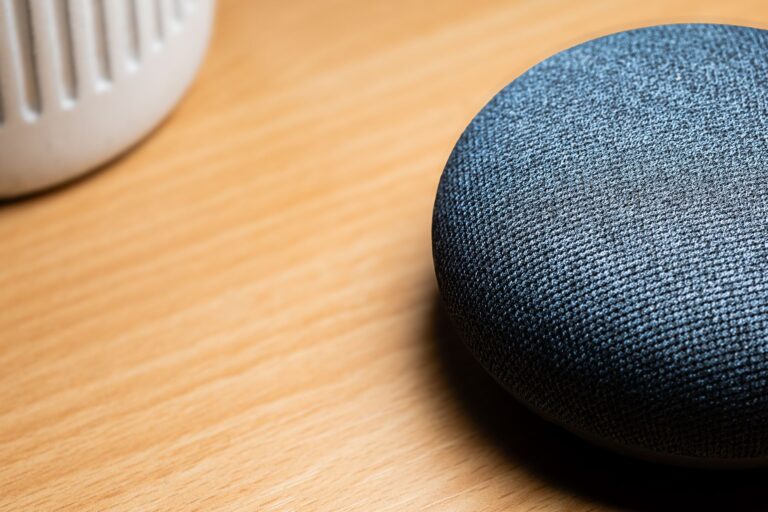



How to transform your home into a smart haven
 By
Rhys Llewellyn
By
Rhys Llewellyn
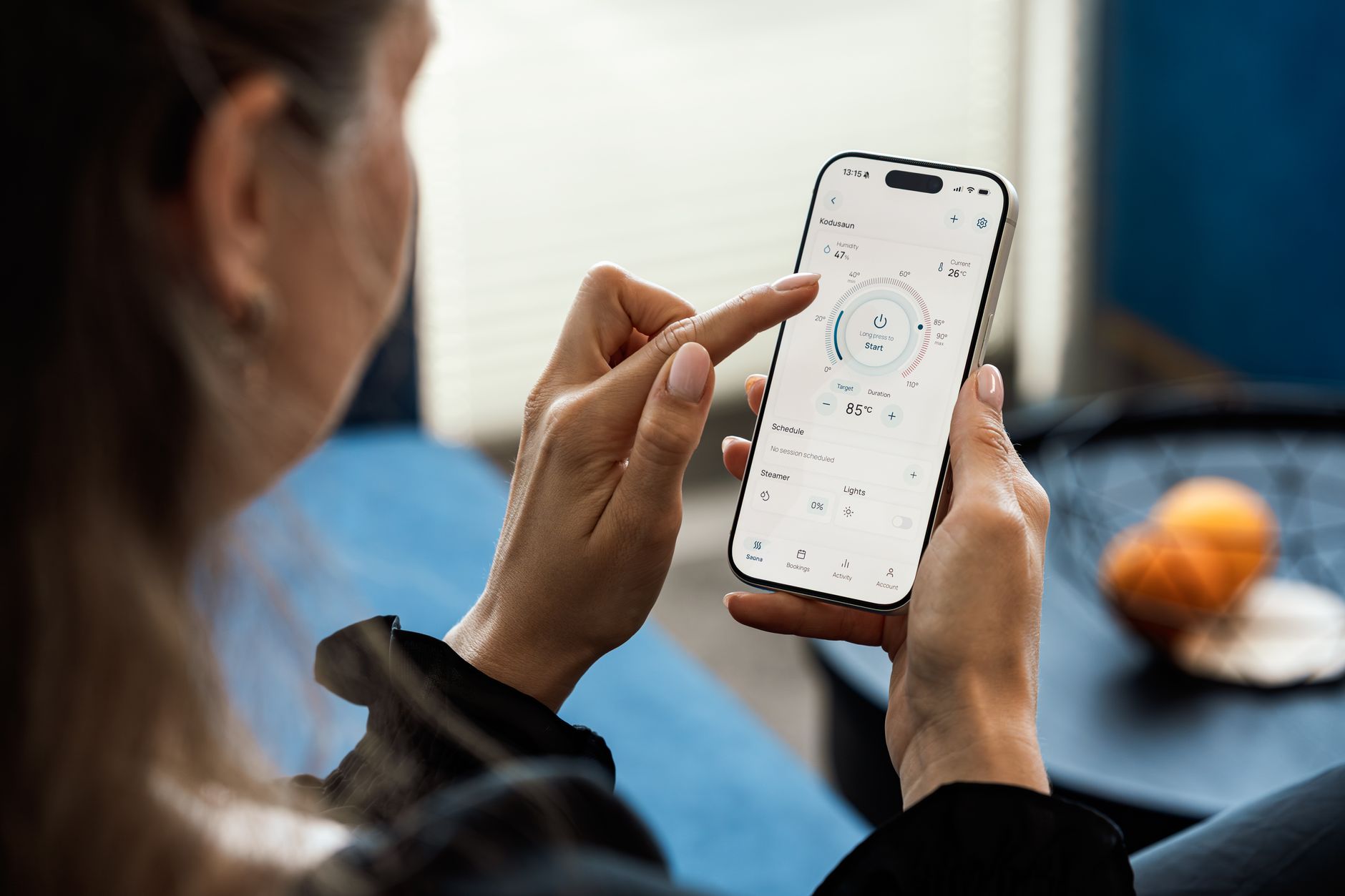
Imagine a home where lights greet you at dusk, the temperature adjusts to the perfect setting before you even walk through the door, and security is as simple as glancing at your phone. In 2025, the idea of a smart haven has moved from the realm of science fiction into an attainable reality for families, professionals, and anyone hungry for ease and control in daily life. Driven by brands like Philips Hue, Amazon Echo, Ecobee, Ring, and Nest, this connected ecosystem draws on a remarkable synergy between convenience, energy efficiency, and safety. As adoption rates soar past 60% in the US, integration has evolved, no longer just for tech enthusiasts, but for anyone seeking more streamlined routines and peace of mind. Here’s how you can begin this transformation, grounded in practical steps, real-life successes, and the latest technologies.
Identifying Your Goals and Choosing the Right Smart Devices
Before setting up your digital sanctuary, take a step back and consider: what are your main objectives for smart home integration? Whether you want to trim energy bills, boost security, or simply automate everyday routines, your intentions should steer your choices. For example, if leaving lights on is a common concern, Philips Hue bulbs and Belkin Wemo switches come to the rescue, letting you automate schedules and tailor ambience effortlessly from your phone or with a single voice command via Amazon Echo or Samsung SmartThings.
- Security Gurus: Prioritize devices like Ring video doorbells, Arlo cameras, and August smart locks for peace of mind and remote property monitoring.
- Efficiency Seekers: Consider Nest or Ecobee smart thermostats to cut heating and cooling costs by up to 12% a year, according to recent U.S. Department of Energy data.
- Convenience Fans: Enhance routines with voice-assistant-compatible gear: Amazon Echo or Google Assistant, paired with Wyze plugs, can automate lights, appliances, and more.
Prioritizing device compatibility over brand loyalty ensures a seamless ecosystem: up to 75% of users encounter challenges mixing incompatible products. Most major brands support popular protocols like Zigbee or Z-Wave, so assemble your lineup around your preferred central platform for smooth operation.
Researching Device Ecosystems: Alexa, Google Home, and Apple HomeKit
A modern smart home often revolves around a dominant platform. Amazon Alexa, Google Assistant, and Apple HomeKit each boast unique strengths and differing compatibility. For example, Alexa meshes with over 100,000 devices, making it ideal for extensive setups, while Apple HomeKit is prized for robust privacy and seamless iOS integration, though with more limited device selection.
- Amazon Echo: Largest third-party support, ideal for expansive homes.
- Google Home: Smart, intuitive routines and integration with Nest devices.
- Apple HomeKit: Privacy-focused, streamlined within the Apple ecosystem.
Consider researching which system fits your lifestyle best before investing across one ecosystem, and remember, compatibility trumps brand loyalty in the long run.
Preparing and Setting Up Your Centralized Smart Home Hub
Once your goals and platform are clear, starting with a centralized hub like Amazon Echo, Samsung SmartThings, or Google Nest Hub will streamline management of your devices. Picture Nora, a busy parent juggling work and kids. After installing Samsung SmartThings, she grouped Philips Hue lights, Ecobee thermostat, and Wyze cameras under one interface. Now, a single app or voice command controls her entire household, from adjusting the lights to monitoring the entryway.
- Critical Setup Steps: Position your Wi-Fi router centrally, connectivity issues account for 47% of smart home frustrations.
- Reliable Power: Use surge protectors and battery backups, especially for security devices like Ring cameras and August locks.
- Sync Devices: Add each device per app instructions, double-check room assignments, and assign logical names (“Kitchen Lights,” not “Device 23”).
With all devices in place, it’s time to experiment with automations, imagine your coffee brewing automatically at sunrise, or the living room lights fading as your favorite streaming service boots up.
Best Practices for Device Placement and Connectivity
Signal strength can make or break the smart home experience. Place your router in a central, unobstructed location. Electronics like microwaves or thick walls can sap Wi-Fi by up to 30%, while mesh networks dramatically improve reliability, crucial in larger homes or those with many connected gadgets.
- Keep routers off the floor and away from other electronics.
- Utilize mesh Wi-Fi for larger areas with many Wyze cameras or Arlo sensors.
- For vital devices (e.g., security cameras), use Ethernet connections where possible.
Fine-tuning placement can eliminate dead zones and ensure every device, from smart bulbs to sensors, remains online when you need it most.
Launching Automations and Everyday Routines for Seamless Living
The real delight in a smart haven comes with setting up routines that work so well, you hardly think about them. Automations can link your Ecobee thermostat, Philips Hue lighting, and Arlo cameras in concert, adapting to your daily comings and goings. Take the “Goodnight” routine, one command dims the lights, locks the August smart door, arms Ring alarms, and lowers the temperature for restful sleep.
- Popular Automations:
- Lights on at sunset, off at sunrise.
- Motion-triggered outdoor illumination using Wyze sensors.
- Thermostat shifts for scheduled wake/sleep hours.
- Coffee maker (Belkin Wemo) starts brewing as the morning alarm sounds.
- Security cameras activate when you leave home.
- Lights on at sunset, off at sunrise.
- Motion-triggered outdoor illumination using Wyze sensors.
- Thermostat shifts for scheduled wake/sleep hours.
- Coffee maker (Belkin Wemo) starts brewing as the morning alarm sounds.
- Security cameras activate when you leave home.
- Regularly review automations every few months to match seasonal or lifestyle changes.
Curating the right automations bridges convenience and efficiency, freeing you to focus on what matters most.
Security, Privacy, and Maintaining Peace of Mind
In the swirl of innovation, security and privacy anchor a trustworthy smart home. With over 75% of users citing privacy as a key concern, take active steps: use devices with end-to-end encryption, such as Arlo and August, and enable two-factor authentication for every account. Regular firmware updates, especially for security devices, are non-negotiable.
- Custom-tailor privacy settings on all connected apps.
- Segment your network, smart gear on one, personal devices on another.
- Employ VPNs and strong passwords, updating them quarterly.
- Choose products from reliable brands like Nest, Ring, or Ecobee for rigorous security updates.
As technology advances, proactivity in digital safety is what truly transforms smart convenience into enduring peace of mind.
Making Smart Integration Work Without Frustration
Even the most thoughtfully assembled smart home can occasionally stumble: connectivity drops, batteries run low, or devices lag. The trick isn’t perfection: it’s being ready for inevitable hiccups and knowing simple solutions. About 38% of users report compatibility headaches, which can be preempted by double-checking device specs before buying and opting for ecosystems like SmartThings or Amazon Echo that support a broad catalog.
- Common Challenges:
- Network outages, restart router and update firmware.
- Device compatibility, research before purchasing, stick to compatible brands.
- Low battery, schedule checks for devices like Wyze cameras or smart locks.
- Performance lag, limit background apps, reboot sluggish gadgets.
- Network outages, restart router and update firmware.
- Device compatibility, research before purchasing, stick to compatible brands.
- Low battery, schedule checks for devices like Wyze cameras or smart locks.
- Performance lag, limit background apps, reboot sluggish gadgets.
- For advanced setups, consider professional installation: 78% of warranties require it for certain devices.
- Create step-by-step troubleshooting guides or hold brief household training to maximize each device.
Resilience comes from preparation, not complication: every challenge overcome deepens the benefit and enjoyment of an interconnected home.
Budgeting Smart: Costs, Savings, and Long-Term Value
Setting a realistic budget helps guide device choices, ranging from $30 smart plugs to comprehensive systems gathering Philips Hue, Nest, and Arlo devices into one intelligent ecosystem. The key is to balance upfront expense with projected savings; for example, Nest and Ecobee users report average annual heating/cooling savings exceeding $180, while LED-equipped smart bulbs cut lighting costs by up to 80%.
- Start with basic devices, lights, plugs, simple sensors, then expand gradually.
- Assess ongoing costs, batteries, subscription plans for advanced Ring or Arlo features.
- Prioritize high-value additions, thermostats, security systems, for faster savings payback.
- Factor in maintenance: regular software updates and possible professional setup for complex systems.
With strategic planning, each investment strengthens not just connectivity, but your overall quality of life for the years ahead.
Crafting Your Own Smart Haven, A Journey, Not a Destination
Turning a traditional house into a smart haven is an evolving story, written with each new device and refined by daily experience. Choose your foundation wisely: prioritize compatibility, security, and genuine usefulness. As new gadgets emerge, stay agile and curious, regularly updating, troubleshooting, and tailoring your environment. Whether you’re brewing coffee with a word, dimming Philips Hue lights before a movie, or checking on your home from miles away through Ring or Wyze cameras, the narrative of home living is forever changed. Ultimately, it’s not about having every gadget, but enjoying a home that works, brilliantly, for you.
- Begin with clear goals: convenience, security, energy savings, or all of the above.
- Build on strong, compatible platforms: Amazon Echo, SmartThings, Google Nest, or Apple HomeKit.
- Leverage guidance from real users, Instagram, YouTube, and trusted review sites.
- Expand gradually, maintaining balance between adoption pace and real-life benefit.
The contemporary home is now a canvas for innovation, comfort, and creativity, one thoughtful upgrade at a time.