


The future of smart homes: Trends to watch
 By
Rhys Llewellyn
By
Rhys Llewellyn

Imagine a home that wakes you up just as dawn touches the window, the lights shifting gently to mirror the rising sun. Your air quality is optimal, and the temperature remains perfect, all without a second thought. This is no longer a distant fantasy, but a tangible reality shaping up in 2025. Driven by the pursuit of wellness, effortless living, and sustainable practices, the newest smart home trends offer comfort with a level of seamless integration few imagined just years ago. Experts from across the building and tech industries have observed a surge in demand for smart systems like Google Nest, Amazon Echo, Philips Hue, and others to quietly power our domestic life. Each innovation, from circadian lighting to intuitive home hubs, promises one thing: a house that’s smart enough to care for you, so you can focus on the moments that matter.
How Smart Home Technology Is Evolving for Wellness and Comfort
The smart home of 2025 is defined by a deep commitment to well-being. Gone are the days when flashy gadgets dominated rooms. Now, lighting, air quality monitors, and gentle wake-up alarms like the Philips SmartSleep Wake-Up Light set the tone for healthier living. It’s about aligning technology with our habits, particularly sleep cycles and daily rhythms. According to Betty Brandolino from Home Environments, circadian lighting systems have soared in popularity, their brightness adjusting throughout the day to support natural energy peaks and restful nights.
- Circadian lighting, increasing focus in the morning and promoting relaxation at night
- Air quality sensors that detect and eliminate pollutants, as used in systems across Google Nest and Samsung SmartThings ecosystems
- Fall detection technology in homes with elderly family members, reducing anxiety and increasing independence
Wellness now guides the invisible hand of technology, ensuring spaces are both nurturing and secure for every member of the household.
Invisible and Intuitive Smart Home Solutions
Technology should disappear into the backdrop. This design philosophy dominates 2025’s most prized smart home products. Automated dimming, whisper-quiet motorized blinds, and thermostats that blend with wall finishes, such as Ecobee and Google Nest, offer what designers call “quiet luxury.”
- Motorized drapes that adapt to sunlight and privacy needs throughout the day
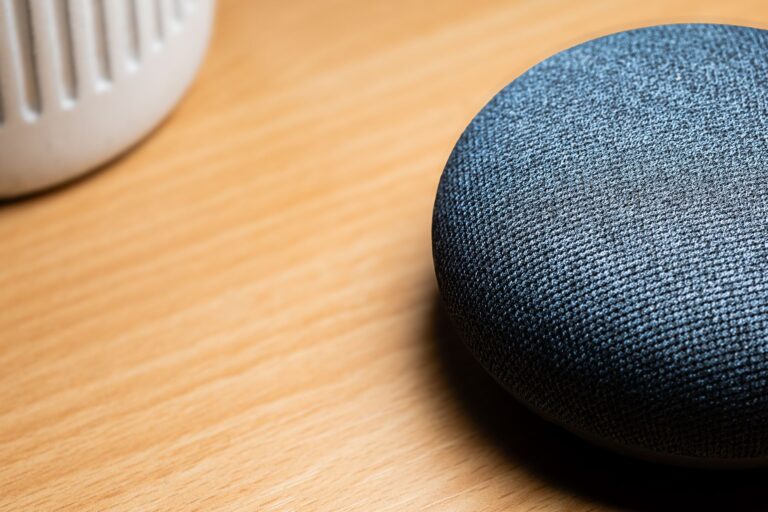
- Discreet voice assistants from Amazon Echo and Apple HomeKit, hidden within everyday decor
- Smart thermostats and light switches that require only a single tap or voice command
Homes now radiate calm and simplicity, with tech that supports, never disrupts, the beauty of lived-in spaces.
Sustainable Technology: Energy Efficiency Meets Everyday Life
A central promise of the smart home revolution has always been sustainability. Contrary to the myth that high-tech means high energy, today’s smart homes, armed with products like Google Nest thermostats, Philips Hue adaptive lighting, and solar panel integrations managed with Samsung SmartThings, are lowering energy bills and carbon footprints across the board.
- Smart thermostats that ‘learn’ your habits, maximizing efficiency while maintaining comfort
- Water-efficient systems that identify leaks and reduce waste, widely used in new builds
- Solar panel integration with real-time monitoring and energy storage accessible through unified hubs
By adopting smart, sustainable solutions, homeowners experience not only financial savings, but also peace of mind, knowing they’ve chosen to safeguard the planet’s future.
Simplicity and Seamless Integration Take Center Stage
With a multitude of connected devices, simplicity has become the leading trend for 2025. Homeowners seek systems that are easy to set up and manage. Seamlessly integrated platforms like Amazon Echo Hub or Apple HomeKit now bring together lighting, safety, and entertainment onto a single, intuitive interface.
- Unified control panels managing lighting, climate, and security from one place
- Smart smoke detectors and security cameras (Ring, Arlo, Wyze) now directly connected to home assistants
- Voice-controlled scenes that personalize lighting, media, and temperature in seconds
The era of confusing interfaces and device isolation is fading; now, technology is as accessible as it is advanced, fundamentally transforming routines one tap at a time.
The Next Horizon: AI, Personalization, and System Compatibility
Artificial Intelligence isn’t just responding to commands; it’s anticipating them. Today’s smart home adapts, learns, and even predicts, through AI-integrated platforms such as Google Nest and Samsung SmartThings. Systems understand daily habits, curating personalized recommendations or security routines on their own. Meanwhile, privacy remains paramount, with end-to-end encryption and ongoing updates to keep information secure.
- AI-powered assistants that fine-tune preferences for music, lighting, and environmental comfort
- Personalized maintenance alerts, from filter replacements to leak detection, no more forgotten chores
- Cross-platform compatibility powered by protocols like Matter, linking devices from Apple HomeKit, August Smart Lock, and more
The home of the near future isn’t just smart, it’s deeply attuned to individual needs, effortlessly adapting as life unfolds, and bringing harmony between technology and humanity.