



“These Graphics Cards Are Doomed”: Nvidia’s AI Texture Compression Transforms 8GB GPUs with Astonishing Memory Boost for Gamers Everywhere
 By
Naomi Adeyemi
By
Naomi Adeyemi
| IN A NUTSHELL |
|
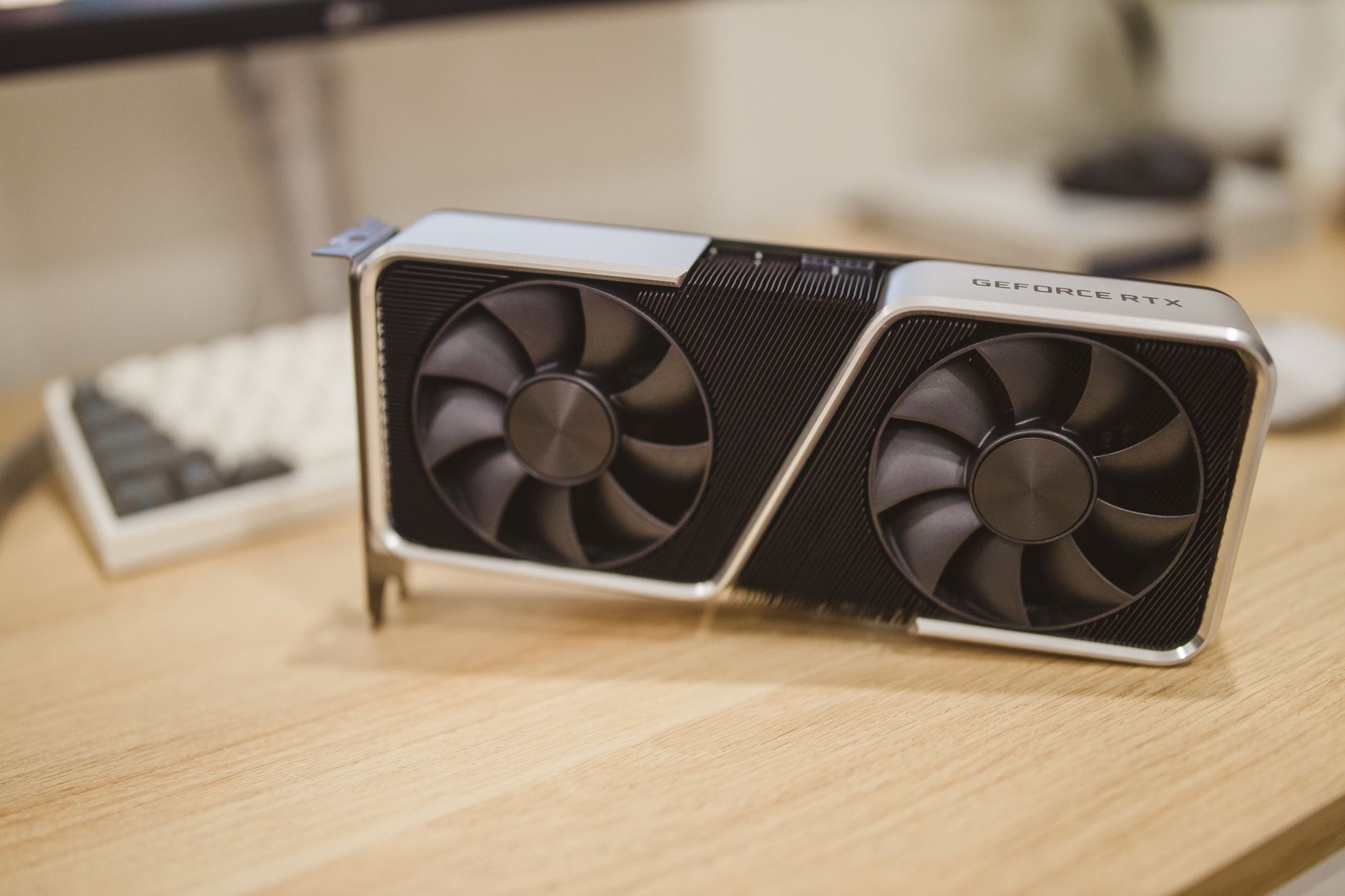
In the ever-evolving world of graphics technology, Nvidia has taken a significant step forward with its latest innovation, the Neural Texture Compression (NTC). This breakthrough technology is designed to address the common problem of limited video RAM (VRAM) in graphics cards, providing a much-needed boost to gamers and developers alike. Nvidia’s collaboration with Microsoft’s new Cooperative Vector in DirectX Raytracing 1.2 has optimized NTC, promising substantial reductions in VRAM usage. With the potential to revolutionize how textures are managed in gaming, this advancement marks a pivotal moment for those relying on Nvidia’s hardware.
The Power of Neural Texture Compression
Nvidia’s Neural Texture Compression leverages artificial intelligence to effectively compress graphics textures, allowing them to occupy significantly less space. The use of neural networks means that textures can be compressed without a noticeable loss in quality when decompressed for display. This technology is particularly beneficial for graphics cards with limited VRAM, such as the popular 8GB models. Thanks to the Cooperative Vector in DirectX Raytracing 1.2, this compression process is now more efficient than ever.
In practical terms, this means that games can run more smoothly on hardware with less VRAM, as textures typically take up a large portion of available memory. For instance, in a recent demonstration, NTC achieved a 90% reduction in VRAM usage for textures. However, it’s important to note that this impressive figure may not be applicable in all scenarios, as game developers must implement NTC support for it to be effective. Nevertheless, even a more modest reduction can make a significant difference in gaming performance.
Implications for Nvidia’s Current Hardware
For Nvidia, the development of NTC comes at a crucial time. The decision to release certain current-generation graphics cards, such as the RTX 5060 Ti and RTX 5060, with only 8GB of VRAM was met with skepticism. Many consumers felt that this amount of memory would be insufficient for future gaming demands. However, the advent of NTC may help alleviate some of these concerns by making more efficient use of available VRAM.
With NTC, Nvidia hopes to future-proof its graphics cards, ensuring they remain competitive as gaming technology advances. While the 8GB configuration is often criticized, the inclusion of NTC may change perceptions, highlighting Nvidia’s commitment to innovation and performance. However, it remains to be seen how quickly game developers will adopt this technology, as its success is contingent on widespread implementation across the gaming industry.
Challenges and Considerations
Despite the promising potential of Neural Texture Compression, several challenges and considerations must be addressed. One potential downside is the possibility of performance loss in terms of frame rates, particularly in certain gaming scenarios. While NTC is designed to optimize texture management, there may be trade-offs that affect overall performance. It’s crucial for Nvidia to ensure that any negative effects are minimized to maintain the integrity of the gaming experience.
Moreover, textures are not the only elements that fill up VRAM during gameplay. Other data, such as models and effects, also compete for memory space. Therefore, while NTC is a valuable tool, it is not a comprehensive solution to the VRAM limitations faced by some graphics cards. Nvidia must continue to explore additional strategies to optimize memory usage and support the growing demands of modern gaming.
Looking Towards the Future
Nvidia’s Neural Texture Compression is poised to play a vital role in the future of gaming technology. By enhancing the efficiency of VRAM usage, it offers a promising solution for graphics cards with limited memory. However, its success depends on adoption by game developers, who must integrate NTC into their titles for users to benefit fully. This situation mirrors the challenges faced by Nvidia’s DLSS technology, which also relied on developer support for widespread implementation.
As the gaming industry continues to evolve, the question remains: how will developers and hardware manufacturers work together to ensure that technological advancements like NTC are utilized to their full potential? The answer may shape the future of gaming as we know it, influencing how players experience their favorite games and how developers create their next big hits.