



“This Could Change Everything”: Canva’s Influence Threatens Affinity’s Future With Subscription Trap (Is Your Design Next?)
 By
Rhys Llewellyn
By
Rhys Llewellyn
| IN A NUTSHELL |
|
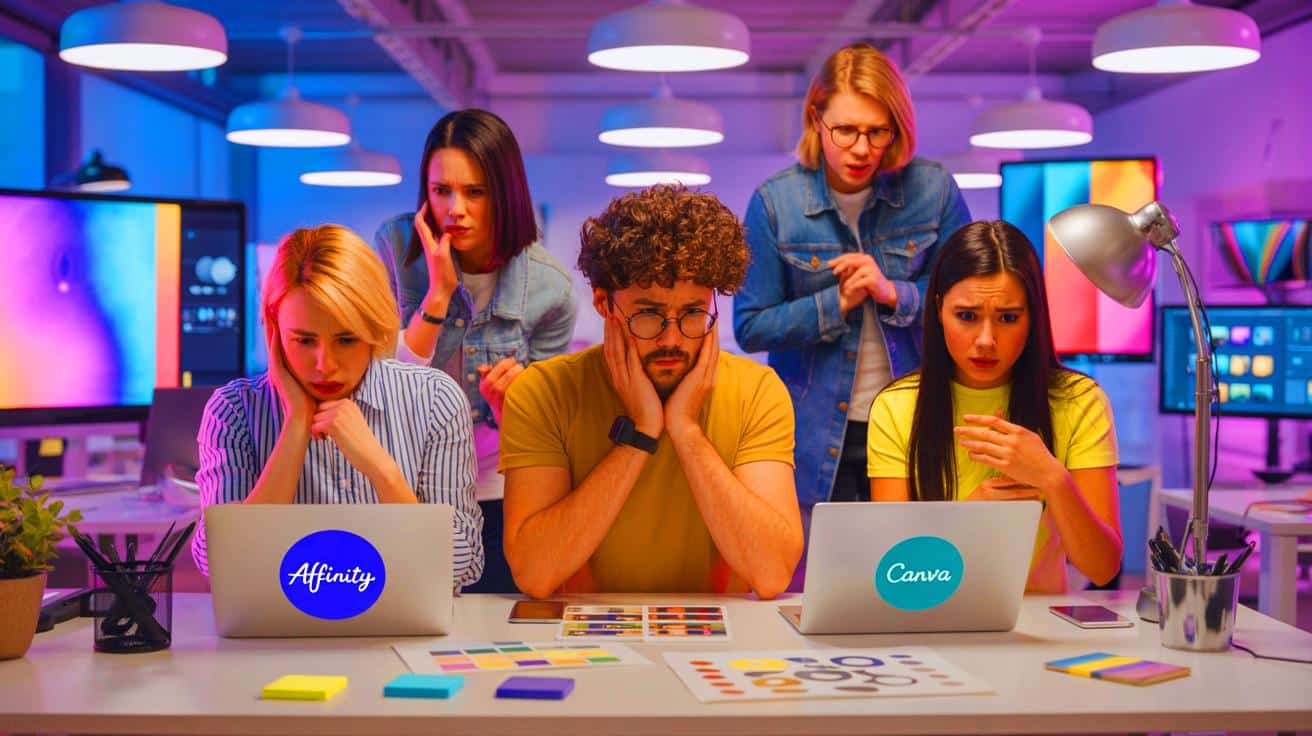
In recent months, the creative software landscape has been abuzz with speculation and concern, following a series of unexpected moves by Affinity, a popular photo editing and design suite. Acquired by Canva in 2024, Affinity’s decision to shut down its online store and forums without a clear explanation has left users in the dark. The move has fueled fears that Affinity might shift from its traditional one-time purchase model to a subscription-based system. This potential shift has stirred unease among its loyal user base, drawing parallels with Adobe’s controversial transition to subscription services years ago.
Affinity’s Sudden Shift and User Concerns
Affinity, once celebrated for its user-friendly pricing and robust design tools, has recently made headlines for all the wrong reasons. The abrupt closure of its official store and forums has left users puzzled and concerned. For years, Affinity’s one-time purchase model was a cost-effective alternative to Adobe’s subscription services. However, with the recent acquisition by Canva, many fear this could change.
The speculation intensified when Affinity users noticed the disappearance of mobile applications and the absence of a clear migration plan. Designers, especially those active on social media platforms like Reddit, have expressed their frustration. One user lamented the loss of a decade’s worth of community support, while another voiced concerns about potentially having to abandon a beloved software suite. These sentiments highlight a broader dissatisfaction within the industry regarding the shift towards subscription models.
Canva’s Acquisition and Strategic Intentions
Canva’s acquisition of Affinity in 2024 was initially met with optimism. Users hoped for enhanced features without drastic changes to pricing. However, the recent developments have cast doubt on these expectations. Many now speculate that Canva might integrate Affinity more closely with its AI-driven platform.
Rumors suggest that the anticipated “Affinity 3” update could include AI tools similar to those found in Canva, possibly even aligning with Adobe’s generative features. While some users see potential benefits in terms of efficiency, others worry about a dilution of the professional standards that set Affinity apart. The cryptic promise of “true creative freedom” has done little to quell these fears, as many perceive it as more of a marketing tactic than a genuine commitment to user-centered improvements.
The Industry’s Shift to Subscription Models
Affinity’s potential move towards a subscription model mirrors a broader industry trend. Adobe’s transition to cloud-based subscription plans has long been a point of contention among creative professionals. Many feel alienated by recurring fees and the perceived loss of ownership over their tools.
Affinity users now fear a similar fate. The absence of direct purchase options is viewed by many as a precursor to the introduction of subscription fees. This shift has wider implications, as it reflects a growing trend in the software industry towards recurring revenue models. While this approach can provide companies with a steady income stream, it often leaves users feeling trapped and financially burdened.
The Future of Creative Software
As the creative software industry evolves, companies must balance innovation with user needs. Affinity’s situation highlights the challenges of maintaining this balance amidst strategic acquisitions and market pressures. The integration of AI tools could enhance functionality, but it also risks alienating users who value simplicity and cost-effectiveness.
The secrecy surrounding Affinity’s recent changes has raised questions about the company’s commitment to transparency. Users are left wondering about the future of a software suite they have relied on for years. As the industry continues to evolve, the challenge will be to ensure that innovation does not come at the expense of user trust and satisfaction.
The unfolding scenario with Affinity raises critical questions about the future of creative software. As companies like Canva and Adobe continue to push the boundaries of design technology, how will they address the concerns of their user base? Will innovation and technological advancements ultimately benefit the end-users, or will they create new barriers in the creative process?