



China’s Secret “AI Chip Black Market” Thrives as Nvidia’s $1 Billion Ban Leaves Thousands Without Support or Hope
 By
Naomi Adeyemi
By
Naomi Adeyemi
| IN A NUTSHELL |
|
In the bustling tech hub of Shenzhen, China, a new industry is quietly gaining momentum. A burgeoning market for repairing Nvidia’s advanced AI chips has emerged, thriving on the demand created by U.S. export restrictions. These restrictions have left Chinese tech firms scrambling for alternatives, and small repair shops have stepped in to fill the void. Despite the strict controls, these shops are finding creative ways to service Nvidia’s high-demand H100 and A100 GPUs, which are critical for powering artificial intelligence workloads. The growth of this underground repair sector underscores the innovative ways in which Chinese businesses are navigating global trade barriers.
The Rise of Unauthorized AI Chip Repair Shops
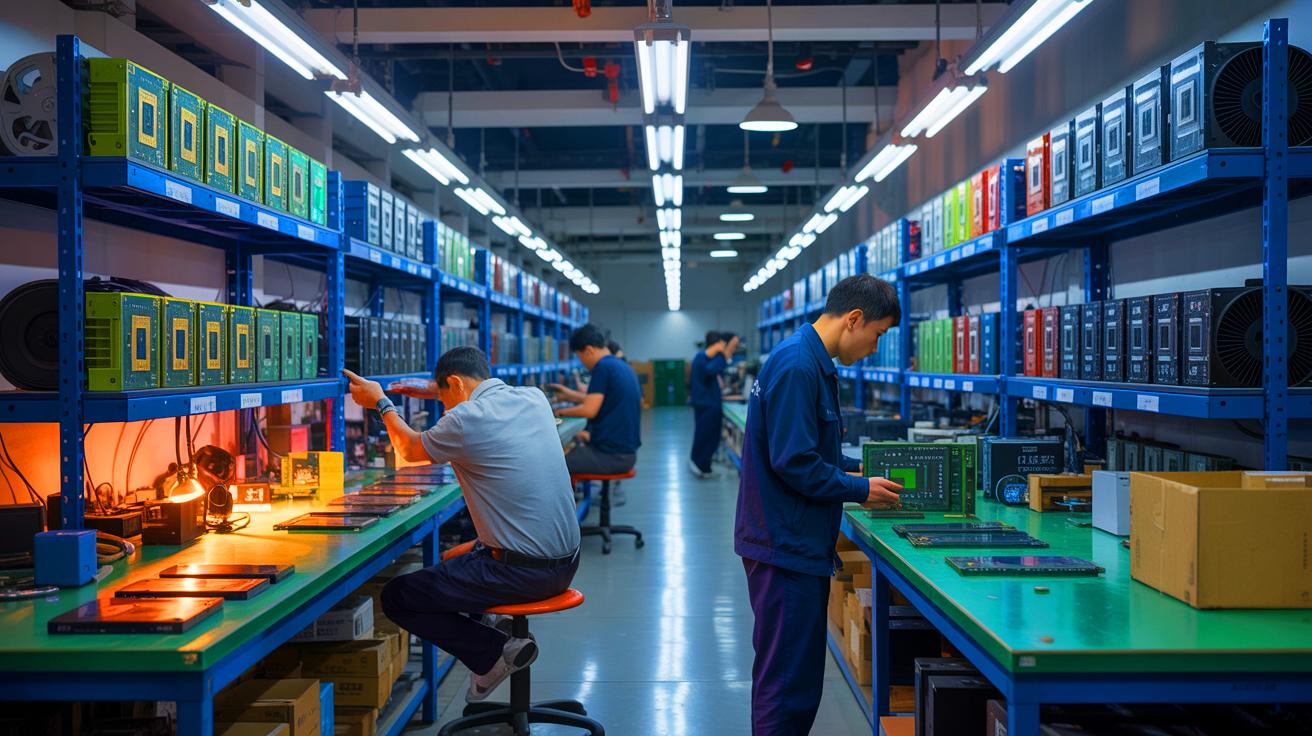
The landscape of AI chip repair in China has seen a remarkable transformation. In Shenzhen, around a dozen small firms have started offering repair services for Nvidia’s banned AI chips. These firms are not officially sanctioned by Nvidia, yet they claim to service hundreds of these chips monthly. Their clientele consists mainly of businesses relying heavily on these GPUs for AI training and other high-demand tasks. The chips, initially banned from sale to China in 2022, have found their way into the country through various channels, resulting in a thriving underground market.
An example of this rapid growth can be seen in a Shenzhen-based company that repairs up to 500 Nvidia AI chips each month. With approximately 12 similar firms operating year-round, the scale of this operation is significant, amounting to tens of thousands of chips annually. This volume of activity highlights the persistent demand for these GPUs despite international restrictions. As the need for AI capabilities continues to rise, these repair shops have become indispensable for many tech companies in China.
Innovative Solutions to Meet Demand
The repair operations have become sophisticated, often resembling small data centers. Companies have invested in server rooms capable of simulating data center conditions to test repaired chips. These facilities can house up to 256 servers, allowing them to handle high volumes of repairs efficiently. The services offered range from hardware fixes, such as fan replacements and circuit board repairs, to software diagnostics and testing. These comprehensive services ensure that even heavily used chips can be rejuvenated for further use.
Despite the significant demand, the repair process is not without challenges. The shops charge about 10% of the original purchase price for repairs, which can add up significantly for companies relying on these GPUs. Moreover, the high failure rate of these chips raises concerns about their long-term viability. The question remains: what will happen when these aging GPUs inevitably fail, given the lack of official support from Nvidia? The current repair market may only be a temporary solution to a much larger problem.
The Role of Smuggling in Sustaining the Market
The existence of such a robust repair sector can be attributed to the widespread smuggling of banned chips into China. This practice has persisted despite stringent export controls, allowing Chinese firms to continue their AI development efforts. The smuggling networks have become adept at bringing these high-demand GPUs into the country, fueling the repair market’s growth. This situation highlights the ongoing tension between global trade policies and the relentless pursuit of technological advancement.
Nvidia has attempted to address the issue by offering a special version of its GPUs, such as the H20, to comply with export restrictions. However, many Chinese customers still prefer the performance of the banned H100 chips, leading to continued reliance on smuggled goods. This preference underscores the challenges faced by companies trying to balance regulatory compliance with the need for cutting-edge technology.
Challenges and Future Prospects
The unauthorized repair market in China poses several challenges. Nvidia has stated that it cannot legally support or replace restricted GPUs within China, leaving firms to rely on these underground services. The lack of official support raises concerns about the long-term sustainability of these operations. As more chips fail, the burden on repair shops will only increase, potentially leading to higher costs and longer wait times for repairs.
The situation also raises questions about the future of AI development in China. As the nation seeks to become a global leader in AI technology, it must navigate the complexities of international trade restrictions and technological dependencies. The current repair market is a testament to the ingenuity of Chinese businesses, but it also highlights the need for more sustainable solutions. How will China adapt its strategies to ensure continued growth in AI technology amid these challenges?
As the global landscape of AI technology continues to evolve, the situation in China serves as a microcosm of broader issues facing the industry. With trade restrictions and technological dependencies at play, the future remains uncertain. Will China find a way to develop its own robust AI infrastructure, or will it continue to rely on unauthorized repair markets to meet its needs? The answers to these questions will shape the future of AI technology on a global scale.