

“Are You Ready for This?”: Toshiba’s New Tech Faces Seagate’s Ambitious Plans (It’s a Shocking Race)
 By
Rhys Llewellyn
By
Rhys Llewellyn
| IN A NUTSHELL |
|
In the rapidly evolving world of data storage, two giants, Seagate and Toshiba, are making significant strides in hard disk drive (HDD) technology. Seagate has already begun testing its 40TB Heat-Assisted Magnetic Recording (HAMR) drives, while Toshiba aims to launch its 40TB drives using 12-disk stacking and Microwave-Assisted Magnetic Recording (MAMR) by 2027. As data centers demand ever-increasing storage capacities, these technological advancements are crucial. However, by the time Toshiba enters the market, Seagate plans to have even larger capacities available, posing a challenge for Toshiba to keep pace.
Seagate’s Pioneering HAMR Technology
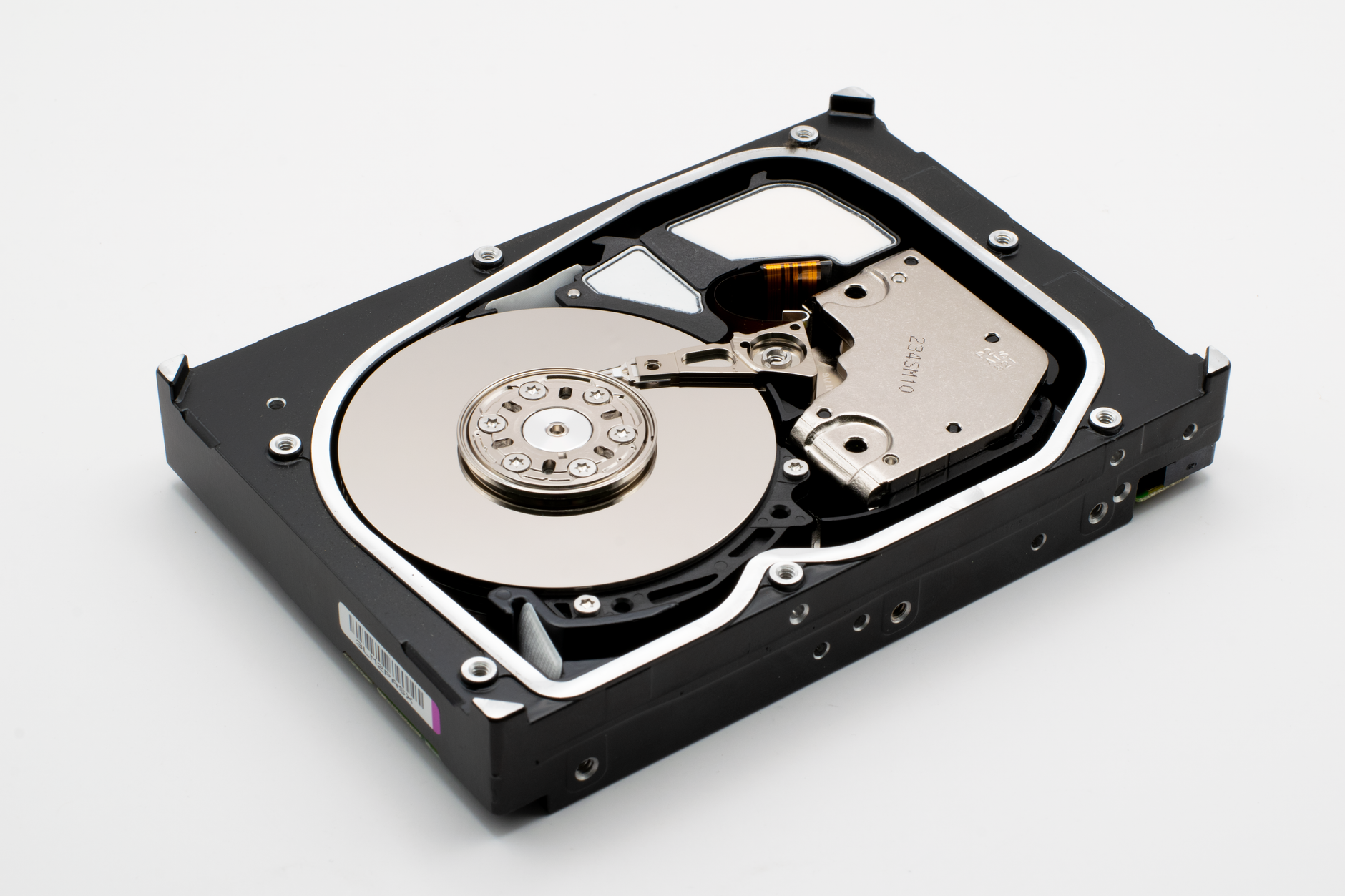
Seagate’s approach to enhancing storage capacity has been through the development of its HAMR technology. This method uses heat to assist in writing data, allowing for a higher density of storage on each platter. In May 2025, Seagate shipped limited units of 40TB HDDs built on their Mozaic HAMR platform. Each drive contains ten platters, with a storage capacity of 4TB per platter. This configuration has set a new benchmark for mechanical storage density.
Seagate’s CEO, Dr. Dave Mosley, elaborated on the benefits of this ten-disk configuration at a recent Investor and Analyst Conference. He highlighted that this setup offers enhanced fleet-level efficiency for data centers. Full-scale production of these drives is expected to begin in the first half of 2026, following extensive testing. As Seagate looks to the future, they have plans to move beyond 40TB, with models reaching 44TB by 2027 and 50TB by 2028.
Toshiba’s Innovative 12-Disk Stacking
Toshiba, on the other hand, is breaking new ground with its 12-disk stacking technology. This approach is a first in the storage industry and aims to achieve 40TB capacities within a 3.5-inch format. By adding two additional disks to the traditional ten-disk nearline format, Toshiba is pushing the boundaries of HDD technology. The company is also replacing traditional aluminum substrates with glass, leading to thinner platters and greater precision and durability.
While Toshiba’s engineers are still in the process of studying how this 12-disk configuration could potentially work alongside HAMR, the firm is confident about the increase in storage density without compromising stability or reliability. This innovative design is part of Toshiba’s broader goal to provide data centers with larger capacities while maintaining a lower total cost of ownership (TCO) as data demands continue to rise.
The Competitive Landscape
The competition between Seagate and Toshiba highlights the dynamic nature of the storage industry. While Toshiba is making strides with its new technology, Seagate’s roadmap suggests that it may have the upper hand in terms of capacity by the time Toshiba’s drives hit the market. Seagate’s investment in a $135 million European photonic center to develop 100TB hard drives by 2030 is a testament to their commitment to remaining at the forefront of HDD innovation.
For Toshiba, the challenge will be to ensure that its 40TB drives, set for a 2027 release, remain competitive in a market where Seagate plans to introduce even larger capacities. The strategic decisions made by both companies in the coming years will likely shape the future of data storage technology.
The Future of Data Storage Technology
As the demand for data storage continues to grow, both Seagate and Toshiba are poised to play pivotal roles in the future of the industry. Seagate’s focus on increasing storage capacity through HAMR technology and strategic investments positions them as a leader in HDD innovation. Meanwhile, Toshiba’s pioneering work with 12-disk stacking and MAMR technology demonstrates their commitment to pushing the limits of what is possible with HDDs.
The question remains: as technology advances and data needs expand, how will these companies continue to innovate and meet the challenges of the future? With both firms investing heavily in research and development, the race to higher storage capacities is far from over.
In a world driven by data, the advancements made by Seagate and Toshiba are crucial for the future of data storage. As these two titans continue to push the boundaries of HDD technology, data centers will benefit from increased capacities and improved efficiencies. However, as competition intensifies, the real question is: who will lead the charge in the next era of data storage innovation?