



“This Changes Everything”: Pixel Watch 4 Dethrones Apple Watch in Surprising Twist (and It’s Closer Than You Think)
 By
Naomi Adeyemi
By
Naomi Adeyemi
| IN A NUTSHELL |
|
The unveiling of the Google Pixel Watch 4 has introduced a new benchmark in the realm of smartwatches, particularly in terms of reparability. As consumers increasingly demand devices that are not only functional but also maintainable, Google’s latest offering sets itself apart by prioritizing user-friendly repair options. This move could potentially reshape the landscape for wearable technology, encouraging other manufacturers to follow suit. The Pixel Watch 4’s design has garnered acclaim from experts who emphasize its ease of access and replaceable components, signaling a progressive step forward in consumer electronics.
Setting a New Standard in Reparability
The Pixel Watch 4 has been lauded as the most reparable smartwatch, surpassing even the revered Apple Watch. The accolade comes from iFixit, an organization known for its meticulous teardown analyses of tech gadgets. The Pixel Watch 4 earned a remarkable score of 9 out of 10 for reparability, a significant leap from the scores of 3s and 4s typically assigned to other smartwatches. This recognition highlights Google’s commitment to creating a product that is not only sophisticated but also accessible to its users.
One of the key features contributing to this score is the visibility of screws in the Pixel Watch 4, which replace the usual adhesive methods seen in other devices. Each screw is accompanied by an O-ring, ensuring that the watch maintains its IP68 water resistance while providing easy access for repairs. This thoughtful design element signals a shift away from the norm, offering consumers a practical solution to the common problem of device maintenance.
A User-Friendly Approach to Design
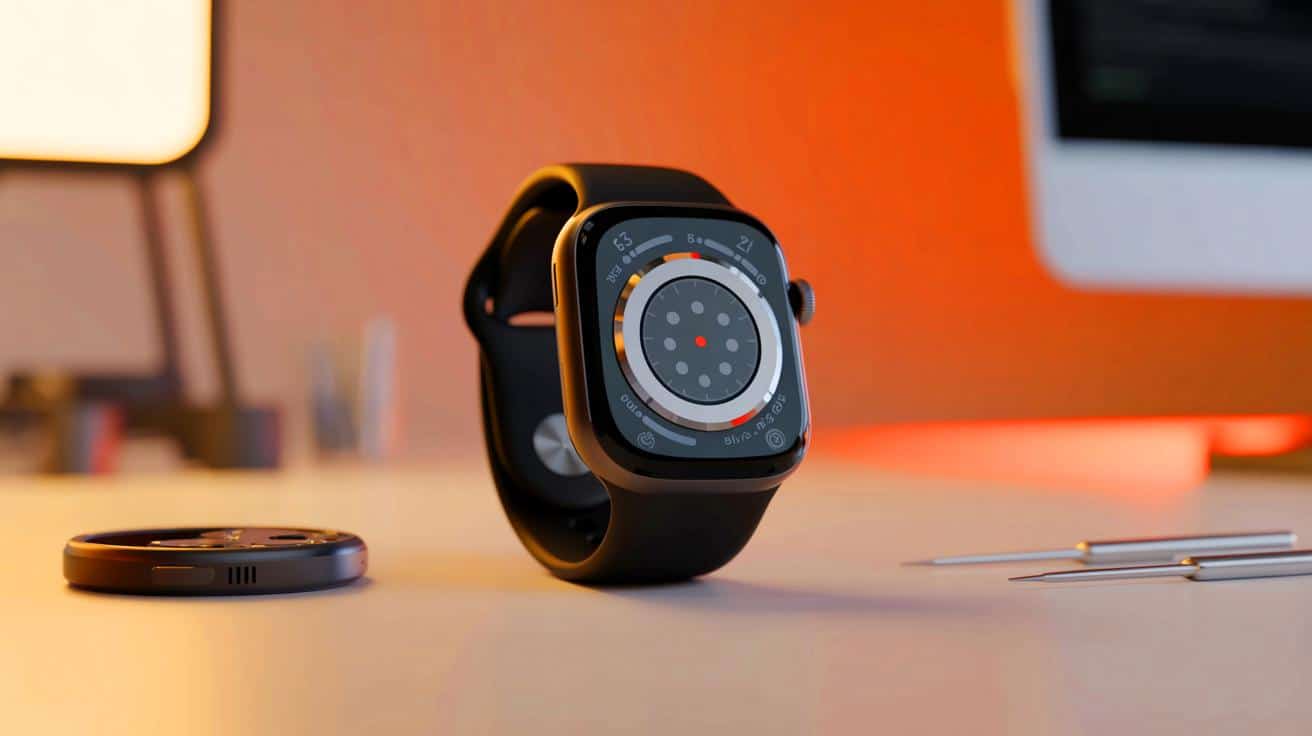
In its detailed analysis, iFixit praises the Pixel Watch 4 for its simple yet innovative design elements. The ease with which users can access the watch’s internals is a standout feature. With just a few tools, a set of Torx Plus bits, a spudger, and tweezers, users can open the watch within minutes. This level of accessibility is a stark contrast to the sealed units that dominate the smartwatch market, often necessitating specialized services like AppleCare for even minor repairs.
Moreover, the absence of glue in securing the main display is another significant departure from traditional smartwatch design. This change allows users to remove and replace the display without the risk of damage, further enhancing the device’s reparability. Such a user-friendly approach not only extends the lifespan of the device but also empowers consumers to take charge of their technology.
The Significance of a Replaceable Battery
One of the most compelling aspects of the Pixel Watch 4 is its easily replaceable battery. iFixit highlights this feature as a “complete rethink of smartwatch design.” By removing just two screws and a connector, users can replace the battery themselves, a rarity in the current market. This not only reduces the need for costly repairs but also aligns with the growing consumer demand for sustainable technology.
The ability to replace the battery addresses a common pain point for smartwatch users. As batteries degrade over time, the option to replace them without professional assistance extends the overall usability of the device. This feature could potentially influence other manufacturers to adopt similar practices, shifting industry standards towards more sustainable and consumer-friendly designs.
Implications for the Future of Wearable Tech
The Pixel Watch 4’s emphasis on reparability marks a significant step forward in the evolution of wearable technology. By prioritizing user-friendly design elements, Google is challenging the status quo and setting a precedent for future devices. This approach not only benefits consumers but also encourages a broader industry shift towards sustainability and longevity.
As the conversation around tech reparability gains momentum, the Pixel Watch 4 serves as a pivotal example of how manufacturers can innovate to meet consumer demands. The question now is whether other companies will follow Google’s lead and prioritize reparability in their future products. Will the Pixel Watch 4’s success inspire a new era of wearable technology focused on accessibility and sustainability?